Top Emergency Plumbers in Millinocket, ME, 04462 | Compare & Call

There are 157 plumbing companies server in Millinocket ME
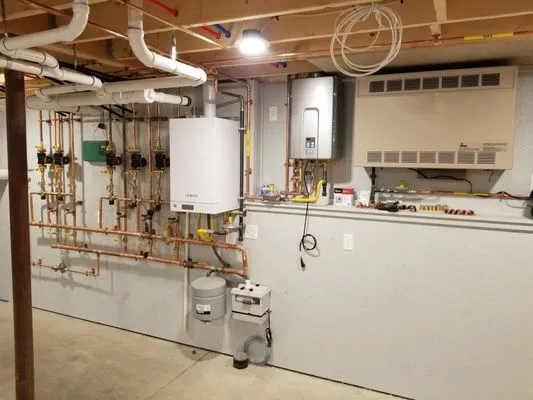
Leighton Plumbing and Heating
For over 24 years, Leighton Plumbing and Heating has been the trusted local resource for Westbrook's plumbing and heating needs. I find genuine satisfaction in the variety of work each day brings, fro...
Pro Stream Plumbing and Heating is a locally owned and operated company serving Oxford and the surrounding communities in western and southern Maine. Founded by Master Plumber Dylan Allen, the busines...
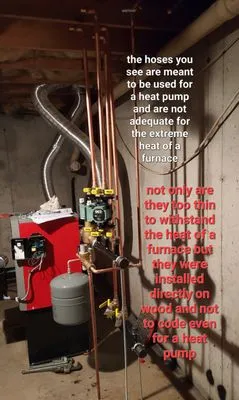
Forest Brooke Plumbing and Heating
Forest Brooke Plumbing and Heating is a trusted, family-run business serving Monmouth and the surrounding communities. We are a licensed, full-service provider, handling everything from routine plumbi...
Versatile Services is your local Auburn, ME, expert for residential and light commercial plumbing and heating needs. We provide comprehensive services including gas line installation and repair, plumb...
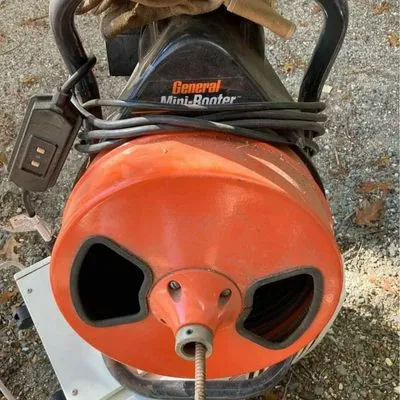
Murphy Plumbing is a veteran-owned plumbing service based in Auburn, ME, specializing in comprehensive plumbing solutions for residential and commercial clients. With 24/7 emergency availability, they...
Matt, owner of A-1 Plumbing in Farmington, ME, brings 18 years of plumbing and mechanical contracting experience to his community-focused business. After working for a mechanical contractor, he starte...
For over 135 years, AFC has been a trusted family-owned partner for central Maine homes and businesses, operating from Augusta. Our deep-rooted history began in 1888, and today we are your local sourc...

Kennebec Plumbing & Heating
Kennebec Plumbing & Heating is a Fairfield-based, family-owned company founded in 2021 by Steven Weeks, a plumber with over a decade of experience. Seeing a need for dependable residential service in ...
Ridans Home Maintenance LLC is a locally owned and operated home maintenance company serving Moscow and the surrounding area. Founded to provide a more comprehensive contractor solution, we've built a...
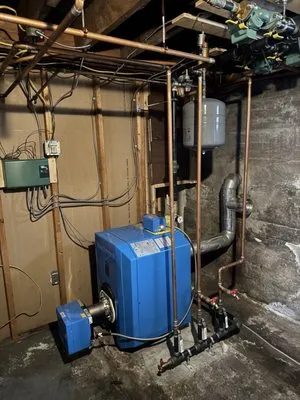
All Aspects Heating & A/C is your trusted, year-round home service provider in Mercer, ME. While known for reliable HVAC services, our expert plumbers are equally skilled in addressing common local pl...
Estimated Plumbing Costs in Millinocket, ME
FAQs
What should I do to prepare my pipes for a Millinocket winter?
The spring thaw is the peak season for pipe leaks here, but the preparation happens in the fall. Before temperatures hit the annual low around 2°F, shut off and drain any exterior faucets from inside the house. Insulate pipes in unheated crawl spaces, which are common in our temperate climate. A slow drip from interior faucets during extreme cold snaps can prevent a freeze at vulnerable points.
Why is my water pressure so low all of a sudden?
Galvanized steel pipes from the 1960s fail in a predictable way. Mineral scale and rust buildup inside the pipe, called tuberculation, slowly chokes the water flow. Eventually, the pipe wall itself corrodes through, creating pinhole leaks. You often see the low pressure first, followed by water stains on walls or ceilings from those small, persistent leaks.
Our home in Millinocket was built in the 1960s. Should I be worried about the plumbing?
Homes built around 1960, especially in Downtown Millinocket, are now dealing with 66-year-old galvanized steel pipes. You are likely seeing the final stage of their lifespan. The interior walls of the pipes have corroded down to a fraction of their original diameter, which causes a severe drop in water pressure at multiple fixtures. It is not a question of if these pipes will fail, but when they will spring a leak.
Do I need a permit to replace my water heater in Millinocket?
Yes, most plumbing work requires a permit from the Millinocket Code Enforcement Office. As a Master Plumber licensed by the Maine Plumbers' Examining Board, I handle pulling the permit, scheduling inspections, and ensuring the work meets all state and local codes. My job is to manage that red tape so your project is compliant and documented for future home sales.
Could the hilly land around here be causing my drainage problems?
The hilly terrain, influenced by the slopes around Mount Katahdin, directly stresses plumbing. A home built on a slope places uneven pressure on the main sewer line, which can lead to bellies or sags where waste collects. During heavy rain, groundwater follows the slope and can overwhelm foundation drains or septic fields, leading to backups. Proper grading and pipe support are critical.
Does the water from Millinocket Lake damage plumbing fixtures?
Water sourced from Millinocket Lake tends to be slightly acidic and corrosive. This accelerates the wear on metal components throughout your home. You will see it most in water heaters, where the anode rod depletes rapidly, and in faucet cartridges, which may start dripping prematurely. Addressing the water's chemistry can significantly extend the life of your appliances and fixtures.
I'm on a well and septic system. What maintenance is different from town water?
Rural plumbing here revolves around your private well and septic system. Well components like the pressure tank and switch require periodic checks. For septic systems, the hilly terrain means the leach field must be correctly sized and placed to function. We recommend septic pumping every 3-5 years and testing well water annually to monitor for acidity that affects pipes and fixtures.
How fast can a plumber get to my house in Millinocket?
Heading past Mount Katahdin on I-95 is the main route for service calls across the region. From there, we take the local routes into town or the surrounding areas. For most emergencies in Millinocket, you can expect a service vehicle on-site within 45 to 60 minutes. We factor in the distance and local traffic to give you a realistic arrival window.
