Top Emergency Plumbers in Milbridge, ME, 04658 | Compare & Call

There are 149 plumbing companies server in Milbridge ME
BPL Construction LLC is a local contractor based in North Anson, ME, serving Somerset County and surrounding Central Maine communities. We provide a comprehensive range of commercial and residential s...
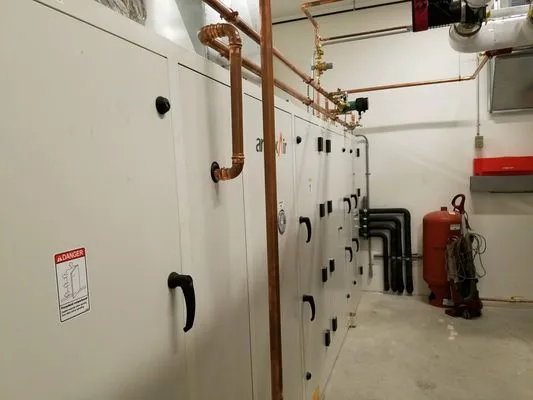
Knowles Mechanical
Knowles Mechanical is a family-owned HVAC and plumbing company serving North Vassalboro, ME, and surrounding areas since 2005. Their team of licensed technicians provides reliable installation, repair...
Fortier’s Plumbing is a family-owned and operated business proudly serving Carmel and surrounding Penobscot and Waldo counties. As a reliable master plumber with over a decade of hands-on experience, ...
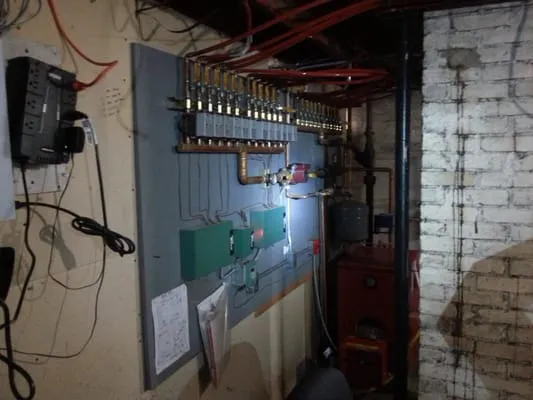
Olivers Heating and Plumbing
Oliver's Heating and Plumbing is a licensed contractor serving Bangor, ME, with expertise in both heating and plumbing systems. We handle residential projects from new construction to remodels, includ...

Tim's Plumbing is a fully licensed and insured plumbing contractor serving the greater Bangor area. With a combined 48 years of experience among our technicians, we provide a comprehensive range of se...
Nichols Plumbing & Drain Cleaning has been serving Brewer and the greater Bangor area since 1978, providing reliable plumbing and drain cleaning services. As a licensed and insured company, we handle ...
For over 40 years, One Stop Home Repair has been the trusted general contractor for Orono, ME, residents. We’ve built our reputation on quality, consistency, and reliability, handling everything from ...
For over 16 years, J Eaton Plumbing & Heating has been a trusted, family-owned provider of plumbing, heating, and HVAC services for Bangor and surrounding Maine communities. As a licensed and insured ...
Harley Plumbing & Heating Plus
Harley Plumbing & Heating Plus is a trusted, state-licensed service provider serving Bangor, Maine, and the surrounding area since 1978. Our foundation was built on a commitment to quality workmanship...

Jackson Plumbing & Heating has been a trusted fixture in Old Town, ME since 1984, providing reliable plumbing and heating solutions to the community. Under new ownership since 2020, the company contin...
Estimated Plumbing Costs in Milbridge, ME
Questions and Answers
Is there a difference maintaining a septic system versus town sewer?
Absolutely. On a private septic system, everything that goes down a drain ends up in your leach field. Harsh chemical drain cleaners can kill the essential bacteria in your tank, leading to system failure. For rural homes here, using enzyme-based maintainers and being mindful of water volume—like not running multiple high-load appliances simultaneously—is crucial for the long-term health of your entire wastewater system.
Could the slope of my land near the river be causing drainage problems?
The coastal terrain and sandy soil along the Narraguagus River shift with moisture. This can put lateral stress on your main waste line where it exits the house foundation. Over years, that stress can cause the pipe to settle or develop a low spot, creating a belly that collects solids and leads to chronic blockages. A camera inspection can map the line's pitch and identify if terrain movement is the root cause.
What's the most important plumbing prep for a Milbridge spring?
Before the spring thaw hits its peak, disconnect and drain any garden hoses. A hose left connected traps water in the outdoor faucet. If an overnight dip to 10 degrees occurs during a thaw cycle, that trapped water freezes and splits the faucet or the pipe inside your wall. It's a simple, five-minute task that prevents the most common freeze-related call I get in this temperate climate.
How long does it take to get a plumber out to Milbridge?
Heading past the Narraguagus River on US-1 is the main route for service calls. From there, it's a 45 to 60 minute dispatch depending on your specific road. We factor that travel into the appointment window. Knowing the route lets me carry the right parts for common Milbridge issues, so the repair time starts when I arrive.
Why are so many homes in Milbridge Village getting rusty water all of a sudden?
Your galvanized steel supply lines are around 88 years old now. That lifespan is a hard stop. The interior of the pipe has rusted down to a thin layer of scale, and now it's flaking off into your water. It's not an isolated issue; homes built around 1938 are all hitting this failure point together. The rust particles clog aerators and can indicate the pipe wall is about to perforate.
What does a 'pinhole leak' in an old pipe actually mean?
In 88-year-old galvanized steel, pinhole leaks are the final stage of internal corrosion. Scale buildup from decades of mineral deposits creates a corrosive environment that eats through the pipe wall from the inside. You'll see a small, persistent drip that often starts at a threaded joint or along a horizontal run. It signals the entire pipe section has lost its integrity and needs replacement.
Do I need a permit to replace my own water heater?
In Milbridge, most plumbing work requires a permit from the Code Enforcement Office and must be performed by a licensed plumber. As a Master Plumber licensed by the Maine Plumbers' Examining Board, I pull those permits and schedule the required inspections. Handling the red tape ensures the work meets current code for safety and insurance purposes, so you don't have to navigate that process yourself.
Does well water ruin water heaters faster around here?
Private wells here often draw acidic, corrosive water. That low pH attacks the anode rod in your water heater aggressively, dissolving it years ahead of schedule. Once the rod is gone, the tank liner becomes the next sacrificial material, leading to premature failure. Installing a powered anode or a whole-house acid neutralizer can protect the heater and your fixtures from this specific local water chemistry.
