Top Emergency Plumbers in Lincolnville, ME, 04849 | Compare & Call

There are 35 plumbing companies server in Lincolnville ME
BPL Construction LLC is a local contractor based in North Anson, ME, serving Somerset County and surrounding Central Maine communities. We provide a comprehensive range of commercial and residential s...
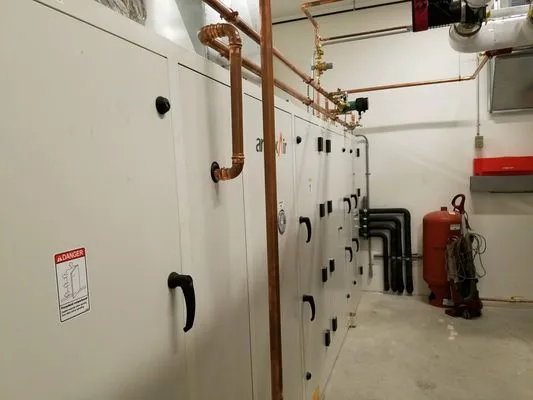
Knowles Mechanical
Knowles Mechanical is a family-owned HVAC and plumbing company serving North Vassalboro, ME, and surrounding areas since 2005. Their team of licensed technicians provides reliable installation, repair...
Fortier’s Plumbing is a family-owned and operated business proudly serving Carmel and surrounding Penobscot and Waldo counties. As a reliable master plumber with over a decade of hands-on experience, ...
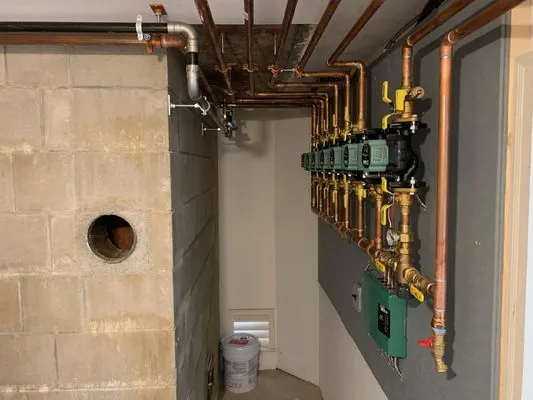
For over 16 years, J Eaton Plumbing & Heating has been a trusted, family-owned provider of plumbing, heating, and HVAC services for Bangor and surrounding Maine communities. As a licensed and insured ...

K Protech
K Protech is a trusted, state-licensed contractor serving Bucksport and the surrounding area, providing dependable plumbing, electrical, and heating solutions. Our team is dedicated to customer satisf...

C&K Land Solutions is a trusted, full-service earthwork and demolition contractor serving Hermon and the surrounding communities. We specialize in the precise excavation, trenching, and site preparati...

The HVAC Doctor is a family-owned and operated heating, cooling, and plumbing service company based in Winterport, Maine, proudly serving Waldo and Penobscot Counties. Founded by owner/operator Tyler ...
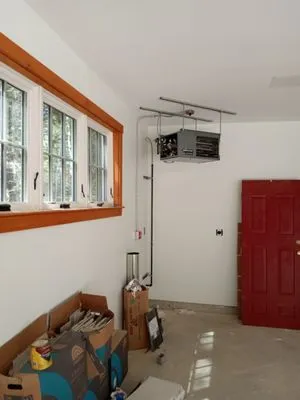
Schimpane is a trusted, locally-owned home services provider in Dixmont, ME, dedicated to effective, reliable solutions for your electrical, plumbing, heating, and gas needs. We specialize in new cons...

Convenient MP is your local, family-owned plumbing resource in Gouldsboro, ME, providing reliable and prompt service to homes throughout the area, including Ellsworth. We specialize in a full range of...
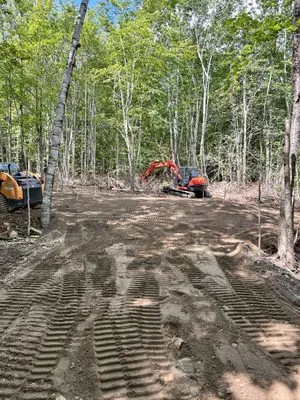
Holt Landworks
Holt Landworks is a Montville-based excavation and earthmoving company with over 30 years of experience, specializing in septic systems, land clearing, and construction site preparation. Founded by a ...
Estimated Plumbing Costs in Lincolnville, ME
Question Answers
What are common plumbing issues for a rural Lincolnville home with a septic system?
Rural setups with a septic tank and private well mean your entire water system is self-contained. The most frequent issues are septic field failures due to age or compaction and well pump or pressure tank malfunctions. Tree roots seeking the septic field's moisture can also infiltrate and clog the drainage pipes, requiring specialized jetting or excavation.
Do I need a permit to replace my water heater in Lincolnville, and who handles that?
Yes, most major plumbing work, including water heater replacement, requires a permit from the Lincolnville Code Enforcement Office. As a master plumber licensed by the Maine Plumbers' Examining Board, I pull all necessary permits and schedule the required inspections. This ensures the installation meets current state and local codes, and you don't have to manage the administrative red tape.
Does well water in Lincolnville damage water heaters or fixtures?
Yes, consistently. Private well water here is often acidic and corrosive, which attacks the anode rod in your water heater and the brass components inside faucets and valves. Without a properly sized neutralizer or periodic rod replacement, you'll see premature tank failure and fixture leaks. Scale buildup from hard water minerals can also reduce efficiency and flow over time.
My yard near Lincolnville Beach is sloped. Could that cause a drainage problem?
Coastal terrain with a slope can direct surface water toward your home's foundation, putting hydrostatic pressure on the drain line and potentially causing a backup. It also means your main sewer line, if you have one, may have more gravitational stress at certain joints. Proper grading and functional gutters are critical to divert water away from your plumbing infrastructure.
My copper pipes are from 1983. What kind of plumbing issues should I expect in my Lincolnville home now?
Your copper plumbing system is now 43 years old. In Lincolnville Center, that age typically means we see widespread pinhole leaks appearing, especially behind walls and in ceilings. The pipe walls thin from decades of water flow, and the initial soldered joints begin to fail. This isn't a single leak; it's often a systemic issue requiring a full repipe assessment to prevent cascading water damage.
How long does it take for a plumber to get to my house in Lincolnville?
From Lincolnville Beach, I'm heading north on US-1 through the center of town. Traffic can be seasonal, but a standard dispatch for an urgent call takes about 45 to 60 minutes door-to-door. Knowing the back roads off the coastal route helps shave time when US-1 is busy with beach traffic.
Why do my 1980s copper pipes keep springing pinhole leaks?
Copper pipe from that era, common in homes built around 1983, becomes susceptible to pinhole leaks due to a combination of age and our local water chemistry. The internal pipe wall erodes unevenly, creating weak spots that eventually perforate. This type of failure is often accelerated in areas with aggressive, acidic water from private wells, making it a frequent repair call here.
What's the most important thing to do for my plumbing before winter in Lincolnville?
Before temperatures hit the annual low around 12°F, disconnect and drain all outdoor hoses. Insulate any exposed pipes in unheated crawlspaces or along the north side of your foundation. Pay special attention during the spring thaw, as ground shifting can stress underground supply lines and cause a sudden leak at the main entry point.
