Top Emergency Plumbers in Harrison, ME, 04009 | Compare & Call

There are 151 plumbing companies server in Harrison ME
Faithful Fix It is a trusted handyman service in Rochester, NH, offering comprehensive home repair and maintenance solutions. Our skilled team specializes in appliance installation and repair, electri...

Badger Plumbing, Heating & Mechanical
Badger Plumbing, Heating & Mechanical is a family-owned business serving Middleton, NH, and surrounding areas since 1984. Founded by Ed Badger and now operated by his son Eddie, we bring over forty ye...

Quality Excavation Services is a locally owned and operated excavation company serving Rochester, NH, and surrounding areas. With years of hands-on experience, we specialize in a comprehensive range o...

Federal Piping
Founded in 1991 by David and Martha Boyd, Federal Piping Co. (FPI) grew from modest beginnings into a highly respected, full-service plumbing and pipefitting company serving Freedom, the Mount Washing...
Mt Washington Sewer & Drain Cleaning has been a trusted local provider for the North Conway, Berlin, and Gorham communities since 2004, bringing over 31 years of industry experience to every job. We s...
Haley Plumbing and Heating Service has been a trusted fixture in Northern Carroll County's plumbing and heating landscape for over four decades, with roots dating back to 1981. Since formally establis...
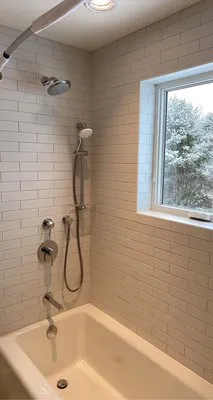
Quality Mechanical Services is your local, licensed plumbing and HVAC provider in Center Conway, NH. Established in 2022, we serve homeowners and businesses across North Conway, Cumberland, Oxford, an...
At First Response Plumbing and Drain in Center Conway, our commitment is to provide professional, reliable service to every home and business we serve. We bring over 27 years of combined expertise to ...

Pfender George E Plumbing serves the plumbing needs of Center Conway, NH, and the surrounding Mount Washington Valley. George Pfender and his team provide reliable plumbing services, from routine main...
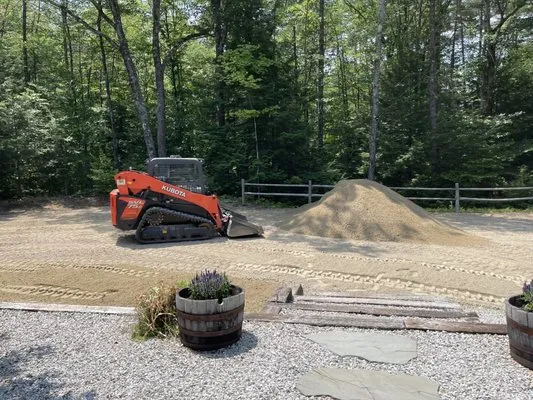
Gurney Land Care is a trusted landscaping and construction partner for Eaton, NH, and the broader New England region. With 25 years of hands-on experience, we specialize in building and maintaining th...
Estimated Plumbing Costs in Harrison, ME
Frequently Asked Questions
Why do my 1980s copper pipes keep springing pinhole leaks?
Copper pipes installed around 1982 often develop pinhole leaks due to a combination of age and local water chemistry. The copper thins over decades, particularly at points where water velocity changes or where dissimilar metals connect without proper dielectric unions. In Harrison's conditions, this thinning accelerates, creating weak spots that eventually perforate. These leaks typically appear first in hot water lines and at elbows or tees.
What should I do before spring thaw to prevent plumbing problems?
Before spring thaw peaks, disconnect and drain outdoor hoses, then shut off their interior valves. Insulate exposed pipes in crawl spaces, as overnight lows around 8°F can still occur during early thaw periods. Check your main water shutoff valve for smooth operation—frozen ground shifting during thaw can stress supply lines. Clear drainage paths around your foundation to prevent meltwater from pooling near plumbing entry points.
Does Harrison's hilly terrain affect my home's drainage or main water line?
Hilly slopes around Long Lake create drainage challenges that impact plumbing. Water seeks the lowest point, potentially overloading your system during heavy rain or thaw. The main supply line experiences additional stress where it transitions between different elevations, especially at the connection to your home. Soil movement on slopes can gradually misalign pipes, causing leaks at joints. Proper grading and French drains help, but the terrain requires more frequent inspection of exterior plumbing components.
How quickly can a plumber reach my home near Long Lake?
From our base near Long Lake, we take State Route 117 directly into Harrison Village. Heading past Long Lake on State Route 117, we can typically reach most homes in the area within 45-60 minutes. This route avoids backroads that might delay response during seasonal weather changes. We maintain real-time communication about our estimated arrival once dispatched.
How does well water affect my water heater and fixtures in Harrison?
Private wells in Harrison often produce acidic, corrosive water that gradually damages plumbing components. This water attacks the anode rod in water heaters first, then corrodes the tank lining once the rod depletes. Fixtures develop mineral deposits that restrict flow and degrade seals. Over 5-7 years, this corrosion can cut water heater lifespan by 30-40% compared to treated municipal water. Installing a whole-house neutralizer helps, but requires regular maintenance.
What permits or inspections do I need for plumbing work in Harrison?
The Harrison Code Enforcement Office requires permits for most plumbing modifications, especially those involving wells, septic systems, or structural changes. As a Master Plumber licensed by the Maine Plumbers' Examining Board, I handle the permit applications, inspections, and compliance paperwork. This includes submitting plans, scheduling inspections, and ensuring all work meets Maine's plumbing code. You avoid the red tape while knowing the work passes legal and safety standards.
Are there special considerations for plumbing in rural Harrison compared to towns with city water?
Rural Harrison properties with private wells and septic systems face unique plumbing challenges. Well pumps and pressure tanks require regular maintenance that municipal water users don't encounter. Septic systems need careful water usage management to avoid overload. There's no city water pressure to rely on during pump failures, and no municipal sewer backup during septic issues. You're responsible for the entire water cycle from well to disposal field, making preventive maintenance more critical than in serviced areas.
My Harrison Village home was built around 1982 - what should I expect from my plumbing now?
Your copper pipes are about 44 years old in 2026. At this age, homeowners in Harrison Village often notice increased frequency of small leaks, especially at joints and fittings. The copper has endured decades of water flow and mineral interaction, making it more susceptible to failure. You might see greenish-blue stains around pipe connections or experience reduced water pressure as scale buildup narrows the interior diameter.
