Top Emergency Plumbers in Guilford, ME, 04443 | Compare & Call

There are 236 plumbing companies server in Guilford ME
Hilltop Drain & Plumbing
Hilltop Drain & Plumbing is a trusted, family-owned and operated service provider based in Livermore Falls, Maine. We specialize in a full spectrum of plumbing, LP/natural gas, and heat pump services,...

KJW Plumbing is a trusted local plumbing service in Cumberland, ME, dedicated to helping homeowners maintain reliable and efficient plumbing systems. We specialize in a comprehensive range of services...
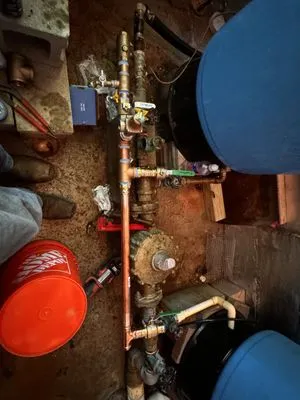
Foreshore Plumbing is a trusted residential plumbing service provider based in Auburn, Maine, dedicated to addressing the diverse plumbing needs of local homeowners. We specialize in a comprehensive r...
For over a decade, McCusker Plumbing Solutions, LLC has been the trusted local plumbing service for Windham, ME homeowners and businesses. We are a fully licensed and insured team that understands you...
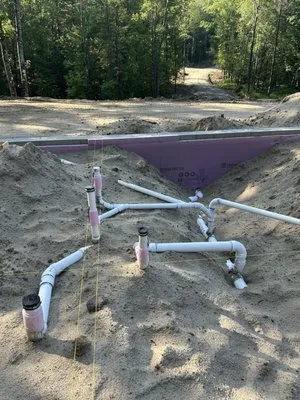
LePage Plumbing is a family-owned and operated plumbing business serving Turner, ME, and surrounding areas. With years of experience, we specialize in comprehensive plumbing services for both resident...
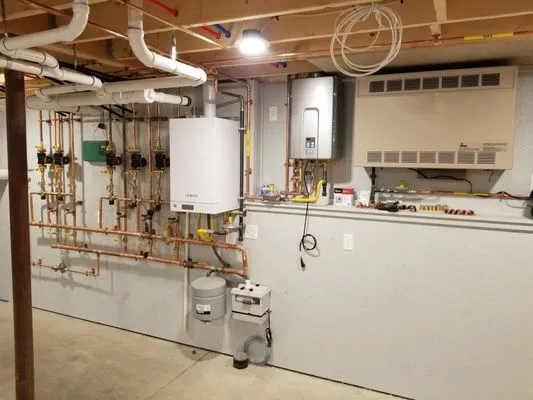
Leighton Plumbing and Heating
For over 24 years, Leighton Plumbing and Heating has been the trusted local resource for Westbrook's plumbing and heating needs. I find genuine satisfaction in the variety of work each day brings, fro...
Pro Stream Plumbing and Heating is a locally owned and operated company serving Oxford and the surrounding communities in western and southern Maine. Founded by Master Plumber Dylan Allen, the busines...
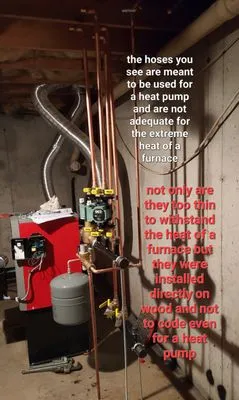
Forest Brooke Plumbing and Heating
Forest Brooke Plumbing and Heating is a trusted, family-run business serving Monmouth and the surrounding communities. We are a licensed, full-service provider, handling everything from routine plumbi...
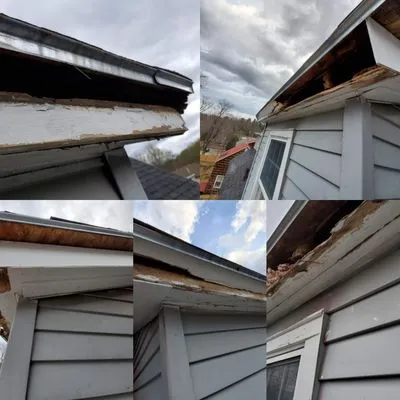
For over 20 years, owner Warren B. has been the trusted contractor for Gorham homeowners. Starting with hands-on framing work at age 15, he built a comprehensive skill set across construction, plumbin...

Versatile Services is your local Auburn, ME, expert for residential and light commercial plumbing and heating needs. We provide comprehensive services including gas line installation and repair, plumb...
Estimated Plumbing Costs in Guilford, ME
Frequently Asked Questions
What's the biggest plumbing risk during a Guilford winter?
The sustained 5°F lows in the Snow Belt freeze ground-saturated frost lines deeper than standard code. A pro-tip is to disconnect and drain garden hoses by late fall and shut off the interior valve to those bibs. The peak risk is actually during the spring thaw, when shifting foundations from frost heave can stress and crack main water lines and drain pipes.
Does well water damage plumbing fixtures?
Yes, private wells in this area typically draw acidic, corrosive water with low pH. This aggressively attacks the protective oxide layer inside copper pipes and water heaters, accelerating wear. You'll also see blue-green staining on fixtures and premature failure of anode rods in the water heater, which is the first line of defense against tank corrosion.
My 1970s home has copper pipes. Are they failing?
Guilford's copper pipes from 1973 are now 53 years old. In Guilford Village, we consistently see these lines reaching their fatigue limit. Homeowners notice persistent pinhole leaks, often first appearing near soldered joints or where pipes contact framing. This is not a sudden failure but a predictable stage of wear for copper in our specific soil and water conditions.
Could my home's hillside location cause plumbing problems?
Hilly terrain, especially slopes down toward the Piscataquis River, creates significant static pressure on the main water line entering your home. This constant high pressure stresses joints and valves. For drainage, the slope can cause sewer lines to drain too quickly, leaving solids behind, or create low spots where water pools and freezes in exterior pipes.
Why do my copper pipes keep springing tiny leaks?
Copper installed in 1973 is susceptible to pinhole leaks from internal corrosion and external soil chemistry. A specific failure mode we see is dezincification at brass fittings and erosion-corrosion at elbows where water velocity changes. This isn't a defect in the original material, but the cumulative effect of decades interacting with acidic well water and our mineral-rich soil.
What permits do I need for a water heater replacement?
Any water heater installation requires a permit from the Guilford Code Enforcement Office, and the work must be performed by a Maine Plumbers' Examining Board licensed master plumber, which I hold. This ensures the new expansion tank, pressure relief valve, and dielectric unions are correctly installed for your well system. I handle filing the paperwork and scheduling the required inspections so you don't have to navigate the red tape.
How long will it take for a plumber to get to my house?
Our dispatch from the shop heads past the Piscataquis River on State Route 15, which is the main artery for service calls. Given the rural spread of addresses, you should plan for a 45 to 60 minute travel window once we're en route. We factor in local road conditions, especially during mud season or after a snowplow run, to provide a realistic arrival time.
Are there special considerations for rural plumbing like mine?
Rural systems here integrate a private well and a septic system, which operate as a closed loop. A failure in one directly impacts the other. Well pump pressure switches and septic effluent pumps require specific maintenance often overlooked in municipal settings. The entire system's health depends on balanced water usage and avoiding harsh chemicals that can kill the septic tank's bacterial action.
