Top Emergency Plumbers in Cornville, ME, 04976 | Compare & Call

There are 19 plumbing companies server in Cornville ME
Murphy Plumbing is a veteran-owned plumbing service based in Auburn, ME, specializing in comprehensive plumbing solutions for residential and commercial clients. With 24/7 emergency availability, they...
Matt, owner of A-1 Plumbing in Farmington, ME, brings 18 years of plumbing and mechanical contracting experience to his community-focused business. After working for a mechanical contractor, he starte...

Kennebec Plumbing & Heating
Kennebec Plumbing & Heating is a Fairfield-based, family-owned company founded in 2021 by Steven Weeks, a plumber with over a decade of experience. Seeing a need for dependable residential service in ...
Ridans Home Maintenance LLC is a locally owned and operated home maintenance company serving Moscow and the surrounding area. Founded to provide a more comprehensive contractor solution, we've built a...
Evergreen Plumbing Solutions is your local, trusted partner for plumbing, heating, and cooling needs in Winslow, Maine. As a family-operated business serving Central Maine, we understand the unique de...
BPL Construction LLC is a local contractor based in North Anson, ME, serving Somerset County and surrounding Central Maine communities. We provide a comprehensive range of commercial and residential s...
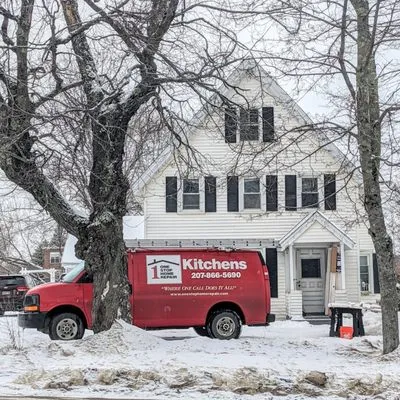
For over 40 years, One Stop Home Repair has been the trusted general contractor for Orono, ME, residents. We’ve built our reputation on quality, consistency, and reliability, handling everything from ...
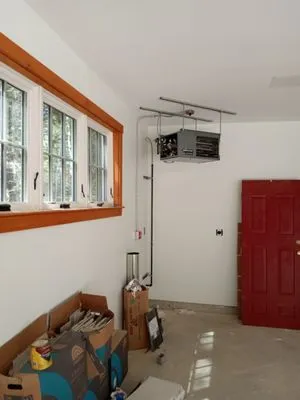
Schimpane is a trusted, locally-owned home services provider in Dixmont, ME, dedicated to effective, reliable solutions for your electrical, plumbing, heating, and gas needs. We specialize in new cons...
Fretz Plumbing is a trusted local plumbing service in Newport, ME, dedicated to helping homeowners maintain reliable and efficient plumbing systems. We specialize in a comprehensive range of services,...
West Branch Plumbing and Heating
West Branch Plumbing and Heating is a trusted, full-service provider for Kingfield, ME, and the surrounding Western Maine communities. We specialize in both residential and commercial plumbing, electr...
Estimated Plumbing Costs in Cornville, ME
Common Questions
If I have a plumbing emergency, how long will it take a plumber to get here?
From our shop, a dispatch route typically heads past Cornville Regional Charter School onto US Route 2. Depending on your specific location off that corridor, you can expect a 45 to 60 minute response window. We factor in local traffic and weather on the secondary roads to give you a realistic arrival time.
Could the hilly land around here be causing my drainage problems?
Hilly terrain, like the slopes near Cornville Regional Charter School, puts constant gravitational stress on main sewer lines or septic inlet pipes. It can also cause surface water to channel toward foundations during heavy rain or spring thaw. Proper grading and secured pipe bedding are not just good practice here; they're essential for long-term function.
What's the most important thing to do with my plumbing before the deep freeze?
With lows around 6°F, the pro-tip is to disconnect and drain outdoor hoses before the first hard freeze. More critically, know where your main water shutoff is inside your home. If a pipe bursts, shutting the water off at the street curb in a Snow Belt winter is a difficult, time-consuming task you want to avoid.
Our house was built in the 80s. Is the plumbing starting to fail because of its age?
Homes built around 1984 in Cornville Center are now working with 42-year-old copper. That lifespan is a known threshold for material fatigue. You might see pitting or a series of pinhole leaks, especially in hot water lines. It's not a sudden collapse, but a predictable wear-out phase that requires inspection and selective replacement.
Do I need a permit to replace my own water heater?
Yes, the Town of Cornville Code Enforcement requires permits for water heater replacements to ensure safe venting and pressure relief. As a Master Plumber licensed by the Maine Plumbers' Examining Board, I handle that permitting and inspection red tape as part of the job. This ensures the installation meets all state and local codes, protecting your home and insurance.
Does having a private well mean I need different plumbing maintenance?
Private wells here often draw acidic, corrosive water. That water attacks unprotected metals directly, accelerating wear on fixtures, water heater tanks, and the copper piping itself. Installing a properly sized neutralizing filter or a phosphate feeder at the wellhead is a critical first defense to protect your entire home's plumbing system.
Why are we getting so many pinhole leaks in our copper pipes lately?
Copper installed in 1984 is vulnerable to a specific failure mode. Aggressive local water and decades of thermal cycling cause internal corrosion that thins the pipe wall. This leads to pinhole leaks, often appearing first on horizontal runs or at solder joints. It's a systemic issue for copper of this vintage, not just bad luck.
Are there special plumbing rules for a rural home like mine?
Rural plumbing here integrates two independent systems: the well and the septic system. They must work in balance. For instance, a water softener's discharge must be compatible with your septic tank biology, and well pump pressure settings directly affect appliance longevity. Maintenance always considers both sides of the equation.
