Top Emergency Plumbers in Cherryfield, ME, 04622 | Compare & Call

There are 27 plumbing companies server in Cherryfield ME
BPL Construction LLC is a local contractor based in North Anson, ME, serving Somerset County and surrounding Central Maine communities. We provide a comprehensive range of commercial and residential s...
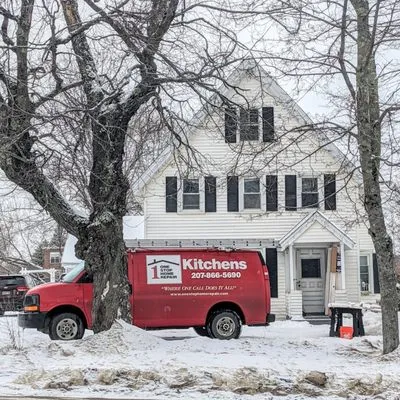
For over 40 years, One Stop Home Repair has been the trusted general contractor for Orono, ME, residents. We’ve built our reputation on quality, consistency, and reliability, handling everything from ...
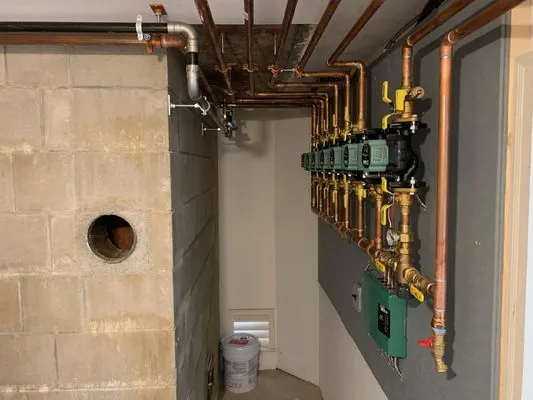
For over 16 years, J Eaton Plumbing & Heating has been a trusted, family-owned provider of plumbing, heating, and HVAC services for Bangor and surrounding Maine communities. As a licensed and insured ...

C&K Land Solutions is a trusted, full-service earthwork and demolition contractor serving Hermon and the surrounding communities. We specialize in the precise excavation, trenching, and site preparati...

The HVAC Doctor is a family-owned and operated heating, cooling, and plumbing service company based in Winterport, Maine, proudly serving Waldo and Penobscot Counties. Founded by owner/operator Tyler ...

Maine Stream Plumbing is your trusted local plumbing expert serving Carmel and central Maine. As a licensed and insured solo plumber, I bring years of hands-on experience to every job, from routine re...
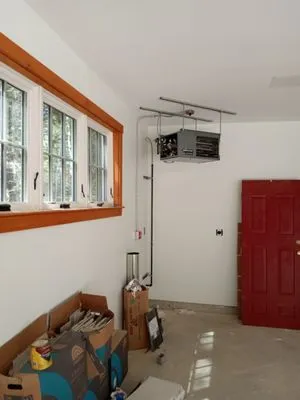
Schimpane is a trusted, locally-owned home services provider in Dixmont, ME, dedicated to effective, reliable solutions for your electrical, plumbing, heating, and gas needs. We specialize in new cons...

Convenient MP is your local, family-owned plumbing resource in Gouldsboro, ME, providing reliable and prompt service to homes throughout the area, including Ellsworth. We specialize in a full range of...
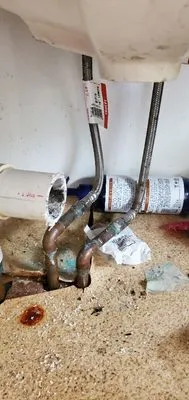
Prestige General Repairs
Prestige General Repairs is a trusted local contractor serving Brownville Junction, ME, offering comprehensive plumbing and electrical services to keep homes safe and functional. With expertise in bat...
J.R. Anderson & Daughter Sewer and Drain Services is a family-owned plumbing business serving Franklin, ME, and surrounding areas. With deep roots in the community, they specialize in addressing commo...
Estimated Plumbing Costs in Cherryfield, ME
Common Questions
Does well water ruin water heaters faster?
Yes, particularly here. Our groundwater is often acidic and corrosive. That water attacks the anode rod inside your tank aggressively, consuming it years ahead of schedule. Once the rod is gone, the tank lining and steel components corrode directly, leading to premature failure. Installing a powered anode or treating the water can significantly extend the heater's life.
How long does it take for a plumber to reach my house off US-1?
From my shop, the dispatch route heads past the Narraguagus River on US-1 and then follows the local roads. For most calls in the Cherryfield area, you can expect a 45 to 60 minute response window. Travel time depends on the specific turn-off and current road conditions, but that's the standard range I plan for.
What's the most important spring plumbing task for Maine homes?
Before the spring thaw peaks, disconnect any garden hoses from your exterior faucets. A hose left connected traps water in the bib. If we get a late freeze like the 8-degree lows we see, that ice can burst the pipe inside your wall. It's a simple two-minute task that prevents one of the most common and costly seasonal repairs.
Do I need a permit to replace my own water heater?
In the Town of Cherryfield, most plumbing work, including water heater replacement, requires a permit from the Code Enforcement Office. As a Master Plumber licensed by the Maine Plumbers Examining Board, I pull those permits, schedule the required inspections, and ensure the installation meets all state and local codes. I handle that red tape so you don't have to.
What is causing the small green stains on my copper pipes?
Those stains indicate pinhole leaks, a common failure for 1960s-era copper. Acidic water from private wells slowly dissolves the protective mineral layer inside the pipe. After 58 years, the copper wall becomes thin enough for the water to seep through, creating those tiny leaks and the subsequent blue-green corrosion deposits, which are copper carbonate.
Could the slope of my yard toward the river cause drainage issues?
The coastal terrain and sandy soil near the Narraguagus River do affect drainage. While the slope helps move surface water away, it can also shift the ground during freeze-thaw cycles. This movement puts lateral stress on your main sewer line or water service entry, potentially leading to misaligned joints or cracks over time. It's a factor I always assess during inspections.
Why am I suddenly getting leaks in my Cherryfield house built in the late 1960s?
Your copper plumbing is about 58 years old now. For pipes installed around 1968, this is the typical lifespan. In Downtown Cherryfield, I'm seeing homes of that era develop pinhole leaks from internal corrosion and failing solder joints at the elbows and tees. The metal has simply thinned over decades of use. It's not a coincidence; it's a predictable stage for this infrastructure.
As a rural homeowner, what unique plumbing systems should I maintain?
Your private well and septic system are your responsibility, unlike in a town with municipal services. Schedule regular well water testing for safety and to monitor corrosivity. Have your septic tank pumped every 3-5 years to prevent solids from reaching the drain field. Neglecting these systems leads to much more expensive emergencies than a clogged drain.
