Top Emergency Plumbers in Burnham, ME, 04922 | Compare & Call

There are 31 plumbing companies server in Burnham ME

Forest Brooke Plumbing and Heating
Forest Brooke Plumbing and Heating is a trusted, family-run business serving Monmouth and the surrounding communities. We are a licensed, full-service provider, handling everything from routine plumbi...

Versatile Services is your local Auburn, ME, expert for residential and light commercial plumbing and heating needs. We provide comprehensive services including gas line installation and repair, plumb...
Murphy Plumbing is a veteran-owned plumbing service based in Auburn, ME, specializing in comprehensive plumbing solutions for residential and commercial clients. With 24/7 emergency availability, they...
For over 135 years, AFC has been a trusted family-owned partner for central Maine homes and businesses, operating from Augusta. Our deep-rooted history began in 1888, and today we are your local sourc...

Kennebec Plumbing & Heating
Kennebec Plumbing & Heating is a Fairfield-based, family-owned company founded in 2021 by Steven Weeks, a plumber with over a decade of experience. Seeing a need for dependable residential service in ...
Ridans Home Maintenance LLC is a locally owned and operated home maintenance company serving Moscow and the surrounding area. Founded to provide a more comprehensive contractor solution, we've built a...
All Aspects Heating & A/C is your trusted, year-round home service provider in Mercer, ME. While known for reliable HVAC services, our expert plumbers are equally skilled in addressing common local pl...
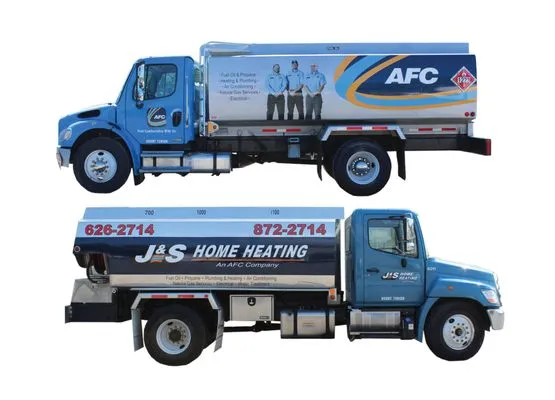
For over 125 years, AFC has been the trusted name for home comfort in Clinton and throughout central Maine. Established in 1888, this family of dedicated professionals provides comprehensive HVAC, plu...

Evergreen Plumbing Solutions is your local, trusted partner for plumbing, heating, and cooling needs in Winslow, Maine. As a family-operated business serving Central Maine, we understand the unique de...

Plumbers 911 Maine
Plumbers 911 Maine is your local Augusta plumbing and HVAC partner. We operate as a trusted referral service, connecting you with skilled, licensed technicians who live and work right here in our comm...
Estimated Plumbing Costs in Burnham, ME
Q&A
Could the hilly land around the Sebasticook River cause plumbing problems?
The slope of your property directly impacts your main water line and drainage. A service line running uphill from the well pump works harder, increasing wear on the pump and pressure tank. For drainage, the natural grade should channel water away from your foundation, but improper grading can cause soil saturation that shifts and stresses buried sewer pipes, leading to bellied lines or cracked seals that invite root intrusion.
Are there special plumbing concerns for rural Burnham properties?
Rural systems here are self-contained. Your well pump, pressure tank, and septic system are your responsibility. A common issue is overloading the septic leach field with excessive water from a leaking toilet or a malfunctioning water softener regeneration cycle. For the well, any change in water pressure or sediment points to pump or foot valve problems, not a municipal main break. These systems require integrated maintenance.
How long does it take for a plumber to get to Burnham?
From my shop, the dispatch route heads past the Sebasticook River to catch I-95 north. Barring seasonal traffic or winter weather on that stretch, I can typically be at your door in 45 to 60 minutes. I plan for the full hour to account for the final local roads off the interstate, ensuring I have all likely parts on the truck before I leave.
Why do I keep getting pinhole leaks in my copper pipes?
Copper pipes installed in 1984 are susceptible to a specific failure mode called Type 2 pitting corrosion. Our area's acidic water accelerates this, creating deep, localized pits that eventually perforate. You'll often find these pinhole leaks on the top of horizontal hot water lines or at the inflow side of fixtures, where oxygen and heat combine with the corrosive water. Re-soldering a pitted section is rarely a permanent fix, as the surrounding pipe wall is already compromised.
My Burnham Village home was built in 1984. Should I be worried about my plumbing?
Homes from that era, like yours, have copper plumbing that is now 42 years old. Around this age, the protective interior lining of the pipe walls begins to thin significantly. Homeowners in the village are increasingly calling about recurrent pinhole leaks, especially at solder joints and elbows where water flow creates turbulence and wear. This systemic aging means spot repairs become less effective, and planning for a partial or full repipe becomes a practical financial consideration.
Do I need a permit to replace my water heater in Burnham?
Yes, the Town of Burnham Code Enforcement requires a permit for water heater replacement, as it involves pressure, safety, and electrical connections. As a Master Plumber licensed by the Maine Plumbers' Examining Board, I pull the permit, schedule the required inspections, and ensure the installation meets all state and local codes for expansion tanks and proper venting. My credential means I handle that red tape so you don't have to.
What's the most important spring plumbing task for Maine homes?
Before the spring thaw hits its peak, shut off and drain any exterior hose bibs and irrigation lines you missed in the fall. The cycle of freezing to 6 degrees and then rapid warming puts immense stress on pipe fittings and valve seals. Inside, check the pressure relief valve on your water heater by lifting the lever; sediment from the well can cause it to seize, creating a dangerous pressure hazard as usage increases.
Does having a private well in Burnham affect my water heater?
Absolutely. Untreated well water here is often acidic and corrosive, which attacks the anode rod in your water heater aggressively. A depleted rod leaves the tank lining and glass itself vulnerable to rust. You might notice rusty water or a rotten egg smell, which signals the rod is gone. Installing a powered anode or a more robust magnesium rod, coupled with a whole-house acid neutralizer, is critical for extending the life of all your appliances and fixtures.
