Top Emergency Plumbers in Brownville, ME, 04414 | Compare & Call

There are 229 plumbing companies server in Brownville ME
Hilltop Drain & Plumbing
Hilltop Drain & Plumbing is a trusted, family-owned and operated service provider based in Livermore Falls, Maine. We specialize in a full spectrum of plumbing, LP/natural gas, and heat pump services,...

KJW Plumbing is a trusted local plumbing service in Cumberland, ME, dedicated to helping homeowners maintain reliable and efficient plumbing systems. We specialize in a comprehensive range of services...
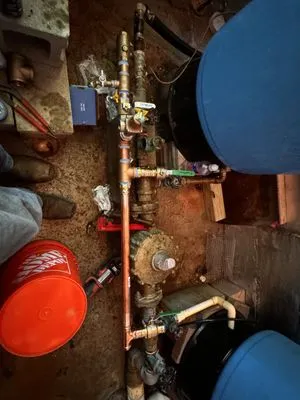
Foreshore Plumbing is a trusted residential plumbing service provider based in Auburn, Maine, dedicated to addressing the diverse plumbing needs of local homeowners. We specialize in a comprehensive r...
For over a decade, McCusker Plumbing Solutions, LLC has been the trusted local plumbing service for Windham, ME homeowners and businesses. We are a fully licensed and insured team that understands you...
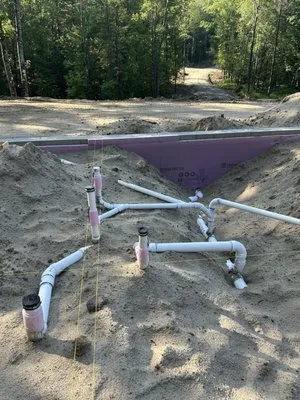
LePage Plumbing is a family-owned and operated plumbing business serving Turner, ME, and surrounding areas. With years of experience, we specialize in comprehensive plumbing services for both resident...
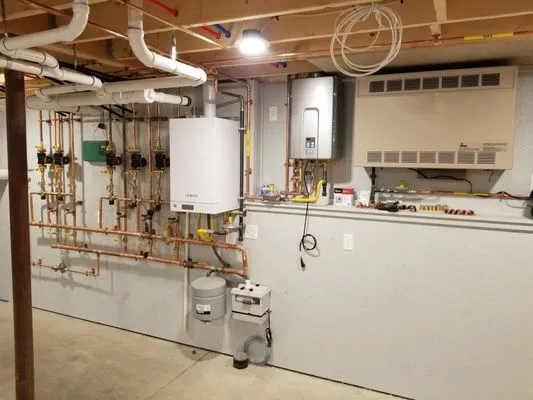
Leighton Plumbing and Heating
For over 24 years, Leighton Plumbing and Heating has been the trusted local resource for Westbrook's plumbing and heating needs. I find genuine satisfaction in the variety of work each day brings, fro...
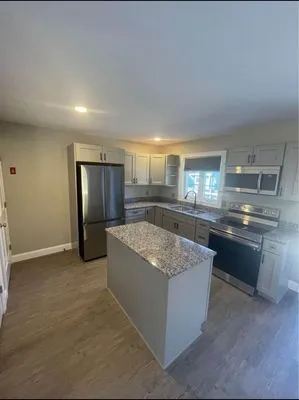
All Things Handyman Services
All Things Handyman Services in Winthrop, ME, is a locally owned and operated business dedicated to providing reliable home improvement solutions for the community. With a focus on plumbing, carpentry...
Pro Stream Plumbing and Heating is a locally owned and operated company serving Oxford and the surrounding communities in western and southern Maine. Founded by Master Plumber Dylan Allen, the busines...
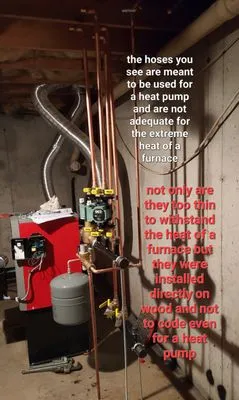
Forest Brooke Plumbing and Heating
Forest Brooke Plumbing and Heating is a trusted, family-run business serving Monmouth and the surrounding communities. We are a licensed, full-service provider, handling everything from routine plumbi...
For over 20 years, owner Warren B. has been the trusted contractor for Gorham homeowners. Starting with hands-on framing work at age 15, he built a comprehensive skill set across construction, plumbin...
Estimated Plumbing Costs in Brownville, ME
Frequently Asked Questions
How quickly can a plumber reach my home in Brownville?
Heading past Katahdin Iron Works on State Route 11, I can typically reach most Brownville addresses within 60-90 minutes. That dispatch route follows the main artery through the area, avoiding backroads that slow response during winter months. Knowing the terrain helps me estimate arrival times accurately when you call with an emergency.
What should I do before spring thaw to prevent plumbing problems?
Before temperatures rise above freezing, disconnect garden hoses and shut off exterior faucets from inside your home. Check that basement drain tiles are clear of ice blockage, since rapid snowmelt can overwhelm drainage systems. Keep your thermostat at a consistent temperature day and night to prevent pipes in unheated crawl spaces from freezing and bursting during late cold snaps.
What permits or inspections are needed for plumbing work in Brownville?
The Brownville Town Office requires permits for most plumbing modifications, especially those involving water supply or waste disposal systems. As a Master Plumber licensed by the Maine Plumbers Examining Board, I handle the permit applications and coordinate required inspections. This ensures your project meets state code without you navigating bureaucratic paperwork.
Are there special considerations for rural plumbing in Brownville?
Rural properties here typically have private wells and septic systems that require different maintenance than municipal services. Well pumps need regular pressure tank checks and occasional screen cleaning from sediment. Septic systems should be pumped every 3-5 years depending on household size, and drain fields need protection from vehicle traffic and root intrusion.
Why do my old pipes keep springing pinhole leaks?
Galvanized steel from 1938 suffers from internal corrosion that creates weak spots in the pipe walls. These pinhole leaks start small but expand as water pressure erodes the surrounding metal. Joint calcification also occurs where mineral deposits build up and crack fittings. The problem typically appears first in horizontal runs and at elbows where sediment collects.
My house in Brownville Junction was built around 1938 - should I be worried about my plumbing?
Galvanized steel pipes installed in 1938 are now 88 years old. At this age, the zinc coating has completely worn away, leaving bare steel exposed to water. Homeowners in Brownville Junction are seeing rust-colored water, reduced flow from faucets, and sudden leaks where pipe walls have thinned to paper-like consistency. The metal becomes brittle and can fail without warning, especially at threaded joints.
Could my home's hillside location cause drainage issues?
Hilly terrain around Katahdin Iron Works creates several challenges. Downward slope puts constant stress on main sewer lines, causing joints to separate over time. Surface water runoff during heavy rain can infiltrate older pipe systems through cracks. Soil shifting on slopes may also put pressure on water service lines, leading to leaks where pipes enter the foundation.
Does Pleasant River water damage plumbing fixtures?
Water from the Pleasant River tends to be acidic and corrosive, which accelerates wear on metal components. This acidity eats away at water heater anode rods twice as fast as neutral water would, leaving tanks vulnerable to rust. Fixtures with brass or chrome plating show pitting and discoloration within a few years. Installing a whole-house neutralizer can protect your entire plumbing system.
