Top Emergency Plumbers in Blue Hill, ME, 04614 | Compare & Call

There are 13 plumbing companies server in Blue Hill ME
BPL Construction LLC is a local contractor based in North Anson, ME, serving Somerset County and surrounding Central Maine communities. We provide a comprehensive range of commercial and residential s...
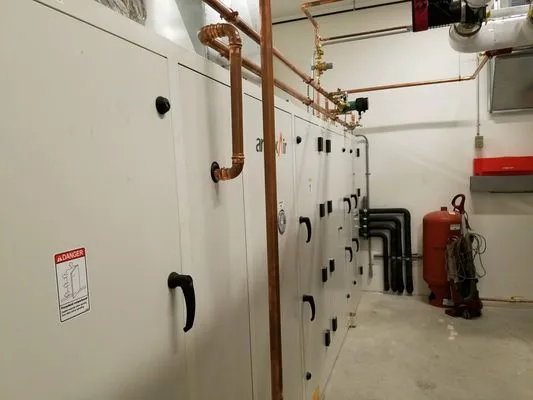
Knowles Mechanical
Knowles Mechanical is a family-owned HVAC and plumbing company serving North Vassalboro, ME, and surrounding areas since 2005. Their team of licensed technicians provides reliable installation, repair...
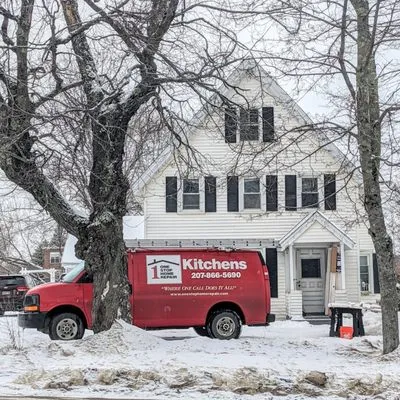
For over 40 years, One Stop Home Repair has been the trusted general contractor for Orono, ME, residents. We’ve built our reputation on quality, consistency, and reliability, handling everything from ...
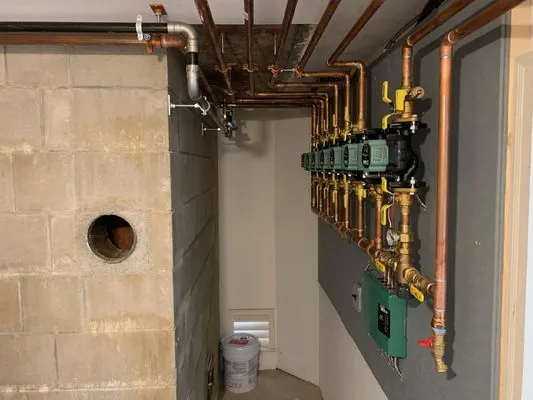
For over 16 years, J Eaton Plumbing & Heating has been a trusted, family-owned provider of plumbing, heating, and HVAC services for Bangor and surrounding Maine communities. As a licensed and insured ...

K Protech
K Protech is a trusted, state-licensed contractor serving Bucksport and the surrounding area, providing dependable plumbing, electrical, and heating solutions. Our team is dedicated to customer satisf...

C&K Land Solutions is a trusted, full-service earthwork and demolition contractor serving Hermon and the surrounding communities. We specialize in the precise excavation, trenching, and site preparati...

The HVAC Doctor is a family-owned and operated heating, cooling, and plumbing service company based in Winterport, Maine, proudly serving Waldo and Penobscot Counties. Founded by owner/operator Tyler ...

Convenient MP is your local, family-owned plumbing resource in Gouldsboro, ME, providing reliable and prompt service to homes throughout the area, including Ellsworth. We specialize in a full range of...
Founded in 1957 by George Ray Sr., Ray Plumbing & Heating is a true family legacy in Ellsworth, Maine. Now operated by Danny and George Jr., the business has been passed down through the generations, ...
Williams & Taplin Well Drilling has been a cornerstone of Blue Hill's water infrastructure for years. As a locally owned and operated business, our team of licensed professionals specializes in provid...
Estimated Plumbing Costs in Blue Hill, ME
Frequently Asked Questions
Who handles permits for plumbing work in Blue Hill?
As a Master Plumber licensed by the Maine Plumbers' Examining Board, I coordinate directly with Town of Blue Hill Code Enforcement for all required permits. This includes septic system modifications, well connection approvals, and plumbing alterations that must meet local ordinances. Handling this red tape ensures your project complies with current regulations without requiring homeowner involvement in bureaucratic processes.
What should I do before spring thaw to avoid plumbing issues?
Insulate exposed pipes in crawl spaces and basements before temperatures drop to 10°F. Check outdoor faucets for proper drainage and shut off valves to prevent freeze damage during rapid temperature swings. Spring thaw brings increased groundwater pressure that can reveal existing weaknesses in older systems, so addressing minor leaks before March prevents larger emergencies.
What causes those tiny leaks in old pipes around here?
Galvanized steel pipes from 1957-era construction develop pinhole leaks as internal rust buildup creates pressure points. Joint calcification also occurs where mineral deposits accumulate at connections, restricting flow and weakening seals. These failures typically start in sections with the most water movement, like near fixtures or along horizontal runs where sediment settles.
Are there special considerations for rural plumbing in Blue Hill?
Rural properties with private wells and septic systems require integrated maintenance. Well pump pressure settings must align with septic field capacity to prevent overloading during high water usage. Distance from municipal infrastructure means backup systems and regular inspections become more critical for preventing extended service disruptions during repairs.
Why are so many Blue Hill homes having plumbing problems lately?
Galvanized steel pipes installed around 1957 are now 69 years old. Homeowners in Blue Hill Village are seeing reduced water pressure, discolored water, and frequent leaks as the interior zinc coating has worn away. This leaves bare steel exposed to corrosive well water, causing accelerated rust buildup and eventual pipe failure. Many original systems from that construction period are reaching their functional lifespan simultaneously.
How does our coastal terrain affect drainage systems?
The sloping terrain around Blue Hill Mountain creates natural drainage challenges that stress main sewer lines. Coastal soil conditions can shift during wet seasons, putting lateral stress on buried pipes and potentially causing misalignment or joint separation. Proper grading around foundation drains helps direct water away from structures, reducing hydrostatic pressure on below-grade plumbing.
Does our well water damage plumbing fixtures faster?
Private wells in Blue Hill often produce acidic, corrosive water that accelerates wear on water heaters and fixtures. The low pH attacks metal components, causing premature failure of anode rods in water heaters and pitting on faucet internals. Installing a whole-house neutralizer can extend appliance lifespan by balancing the water chemistry before it reaches your plumbing system.
How quickly can a plumber reach my home in Blue Hill?
Heading past Blue Hill Mountain on State Route 15, our dispatch route covers most of the peninsula within 45-60 minutes. We monitor traffic patterns and weather conditions that might affect travel time along this main artery. For urgent situations, we coordinate with local contacts to prioritize response based on location and severity.
