Top Emergency Plumbers in Benton, ME, 04901 | Compare & Call

There are 38 plumbing companies server in Benton ME
Forest Brooke Plumbing and Heating
Forest Brooke Plumbing and Heating is a trusted, family-run business serving Monmouth and the surrounding communities. We are a licensed, full-service provider, handling everything from routine plumbi...

Versatile Services is your local Auburn, ME, expert for residential and light commercial plumbing and heating needs. We provide comprehensive services including gas line installation and repair, plumb...
Murphy Plumbing is a veteran-owned plumbing service based in Auburn, ME, specializing in comprehensive plumbing solutions for residential and commercial clients. With 24/7 emergency availability, they...
Lakeview Plumbing
Lakeview Plumbing is a trusted local plumbing service based in Belgrade, ME, dedicated to providing reliable solutions for residential and commercial plumbing needs. With a focus on quality workmanshi...
Matt, owner of A-1 Plumbing in Farmington, ME, brings 18 years of plumbing and mechanical contracting experience to his community-focused business. After working for a mechanical contractor, he starte...

Houle's Plumbing Heating & Air Conditioning
Founded by Armand Houle in 1940, Houle's Plumbing Heating & Air Conditioning is a trusted, family-run business serving the Greater Waterville area for over 80 years. Our team handles a full spectrum o...
For over 135 years, AFC has been a trusted family-owned partner for central Maine homes and businesses, operating from Augusta. Our deep-rooted history began in 1888, and today we are your local sourc...

Kennebec Plumbing & Heating
Kennebec Plumbing & Heating is a Fairfield-based, family-owned company founded in 2021 by Steven Weeks, a plumber with over a decade of experience. Seeing a need for dependable residential service in ...
Ridans Home Maintenance LLC is a locally owned and operated home maintenance company serving Moscow and the surrounding area. Founded to provide a more comprehensive contractor solution, we've built a...
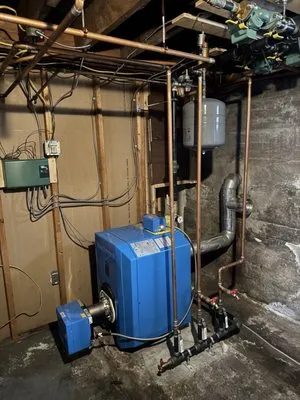
All Aspects Heating & A/C is your trusted, year-round home service provider in Mercer, ME. While known for reliable HVAC services, our expert plumbers are equally skilled in addressing common local pl...
Estimated Plumbing Costs in Benton, ME
Q&A
Could my home's hillside location cause drainage issues?
Hilly terrain around the Sebasticook River affects drainage by creating uneven pressure on main sewer lines. Downslope homes may experience slow drainage as gravity pulls waste water away faster than the system can handle, while upslope properties deal with sediment accumulation in low spots. Soil erosion near the riverbank can expose or stress buried pipes. Proper grading around your foundation and regular drain cleaning help manage these terrain-related challenges.
My Benton Station home was built around 1978 - should I be worried about my plumbing?
Copper pipes installed in 1978 are now 48 years old. At this age, homeowners in Benton Station often notice pinhole leaks developing, especially at joints and elbows where water flow creates turbulence. The copper has likely thinned from decades of use, and mineral scale buildup inside the pipes can accelerate corrosion. Regular inspections of visible plumbing in basements or crawlspaces help catch these issues before they become emergencies.
Does well water damage plumbing fixtures faster?
Private wells in Benton often draw acidic, corrosive water that accelerates wear on plumbing hardware. Water heaters show this first through anode rod depletion and tank corrosion, shortening their lifespan by several years. Fixtures develop blue-green staining from copper corrosion, and rubber seals in valves degrade faster. Installing a whole-house neutralizer or using dielectric unions between dissimilar metals helps mitigate these effects.
Why do my copper pipes keep springing small leaks?
Copper pipes from the late 1970s often develop pinhole leaks due to a combination of age and local water chemistry. After 48 years, the protective oxide layer inside the pipes breaks down, allowing corrosive elements to eat through the metal. Joint calcification is another common issue where mineral deposits weaken solder connections. These failures typically start in areas with frequent temperature changes or high water pressure.
How quickly can a plumber reach my home in Benton?
Heading past Sebasticook River on I-95, most service calls take 45-60 minutes from dispatch. The route follows the river valley before connecting to local roads through Benton Station. Traffic on I-95 during peak hours or winter weather can add time, but we factor that into our estimates. Knowing the terrain helps us provide accurate arrival windows for homes along the river or on hillsides.
What should I do before spring thaw to avoid plumbing problems?
Before temperatures rise above freezing, disconnect garden hoses and shut off exterior faucets from inside your home. Insulate pipes in unheated crawlspaces, as nighttime lows around 8°F can still cause freezing even as daytime temperatures warm. Check for leaks at pipe joints that may have contracted during winter cold. Spring thaw puts extra pressure on systems as ground shifts, so addressing minor issues now prevents major repairs later.
What permits or inspections do I need for plumbing work in Benton?
The Benton Code Enforcement Office requires permits for most plumbing installations and replacements. As a licensed master plumber credentialed by the Maine Plumbers Examining Board, I handle the permit applications, inspections, and code compliance paperwork. This includes septic system modifications, well pump installations, and any work affecting potable water systems. Proper documentation ensures your project meets state and local standards while protecting your home's value.
Are septic and well systems different to maintain than city utilities?
Rural properties with private septic and well systems require different maintenance than municipal connections. Septic tanks need pumping every 3-5 years depending on household size, and drain fields can fail if overloaded with water or chemicals. Well pumps and pressure tanks require regular inspection for sediment buildup or pressure switch issues. Unlike city water, there's no backup supply if your well fails, so proactive maintenance is essential for uninterrupted service.
