Top Emergency Plumbers in Ten Mile Creek, MD, 20841 | Compare & Call

There are 238 plumbing companies server in Ten Mile Creek MD
Philios Plumbing & Drains is a locally owned and licensed plumbing service serving Bailey's Crossroads and the surrounding communities. We specialize in solving urgent plumbing problems, from sewer ba...
Home Service Pros is a trusted, locally-owned contractor serving Alexandria, VA, and the greater Northern Virginia region. Founded by Greg Schick and built from the merger of Quality Sewer & Drain and...
Two Irish Plumbers, formerly Nova Home Professionals, is a fully licensed and insured plumbing company serving Alexandria, VA. Owned and operated by Steven Katz and Ian Harris, we bring over 20 years ...
Chandler's Plumbing & Heating
Chandler's Plumbing & Heating Co Inc is a trusted, A+ Certified plumbing and HVAC contractor serving Falls Church and the surrounding Northern Virginia area. As a family-owned business, we take pride ...
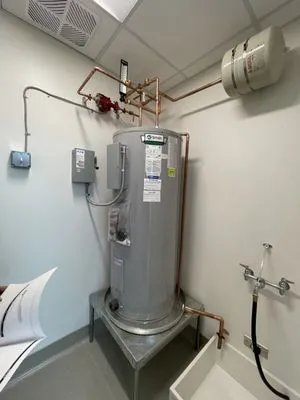
LV Plumbing is a family-owned and operated business in Alexandria, VA, founded in 2013 by father and son master plumbers. We built our reputation on residential work and later expanded into commercial...

AllTech Services
AllTech Services is a trusted, family-owned HVAC and plumbing company that has been serving Sterling, VA, and the surrounding Northern Virginia communities for over 20 years. Founded and led by Presid...
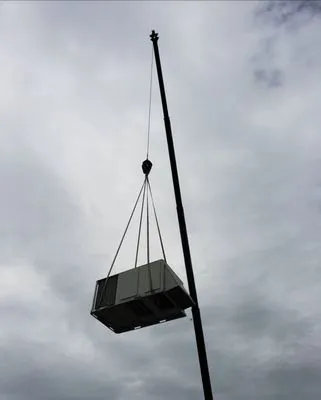
Chamberlain Services
Founded in 2009 by John Chamberlain, who began his career in 1978, Chamberlain Services brings over 60 years of combined technical expertise to every project. Based in Manassas, VA, and serving Northe...
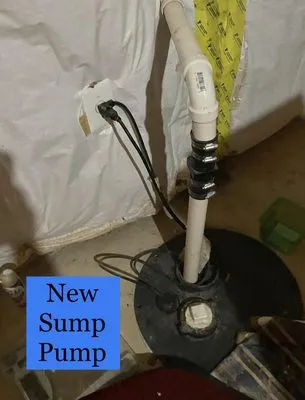
Flash Plumbing is a licensed and insured plumbing service provider serving Chantilly, VA, and the surrounding Northern Virginia communities. We offer a comprehensive range of residential and commercia...
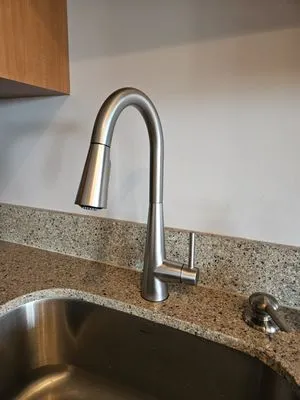
Michael & Son Services
Michael & Son Services has been a trusted name in Alexandria, VA since 1974, providing reliable HVAC, plumbing, and electrical solutions to homes and businesses throughout the community. As a family-o...
F.H. Furr Plumbing, Heating, Cooling & Electrical
For over 40 years, F.H. Furr Plumbing, Heating, Cooling & Electrical has been the trusted home service provider for Manassas and the surrounding Northern Virginia communities. We are a family-owned an...
Estimated Plumbing Costs in Ten Mile Creek, MD
FAQs
How long does it take for a plumber to get to Ten Mile Creek?
Heading past Seneca Creek State Park on I-270 is the primary route into your community. Traffic patterns mean a typical dispatch takes 45 to 60 minutes from the time of the call. We factor that transit into our scheduling, so you receive a realistic arrival window. For true emergencies, we communicate clearly and route directly to minimize that time.
Does Potomac River water damage my plumbing fixtures?
Water drawn from the Potomac is treated, but it remains moderately hard. This leads to scale buildup, primarily calcium carbonate, inside pipes, water heaters, and on faucet aerators. Over time, scale insulates heating elements, reducing efficiency and shortening the tank's life. For fixtures, it clogs showerheads and reduces flow. Installing a whole-house water softener or using descaling treatments can significantly mitigate these effects.
My pipes are original to my 1977 Ten Mile Creek Estates home. Should I be worried?
Original copper piping installed in 1977 is now 49 years old. For homes in this area, that age means we frequently see pinhole leaks developing in hot water lines and at solder joints. The copper itself thins over decades from internal water chemistry and external soil conditions. It's not an immediate crisis for every home, but proactive inspections of the main supply line and behind walls near fixtures are prudent at this stage.
Do I need a permit to replace my water heater in Montgomery County?
Yes, a permit from the Montgomery County Department of Permitting Services is required for a water heater replacement. As a Master Plumber licensed by the Maryland State Board of Plumbing, I pull that permit, schedule the required inspections, and ensure the installation meets all current code for safety and energy efficiency. My credential means I handle that red tape so you don't have to navigate the county bureaucracy yourself.
What's the most important spring plumbing task here?
Before the spring thaw fully hits, disconnect all garden hoses from your exterior spigots. A hose left connected traps water in the bib; when overnight temps still dip near 26°F, that water freezes and can crack the pipe inside your wall. This causes a major leak once the interior ice melts. It's a simple, five-minute task that prevents one of the most common seasonal leaks we see in this temperate climate.
Why do my copper pipes keep springing pinhole leaks?
Pinhole leaks in 1970s copper are often a failure of the pipe's interior lining due to decades of water chemistry and flow. Our local hard water accelerates this wear. The leaks typically manifest in horizontal runs of hot water pipe or at fittings where turbulence occurs. Repairs often involve cutting out the corroded section and installing a new copper or compatible PEX segment with proper dielectric unions to prevent galvanic corrosion.
Could the hilly land near Seneca Creek be causing my drainage problems?
Yes, the slope of the land directly impacts drainage. A home built on a hillside often has a sewer main or septic field that follows the grade. Over years, soil settling or root intrusion from the wooded areas common near the park can put stress on pipe joints, leading to misalignment, leaks, or blockages. This stress is a frequent culprit for slow drains in lower-level fixtures or wet spots in the yard following the contour of the hill.
As a rural homeowner, what unique plumbing systems should I maintain?
Beyond the municipal water many have, your key systems are likely a private well and a septic system. The well pump and pressure tank require periodic inspection for proper pressure and switch operation. For the septic system, regular pumping every 3-5 years is non-negotiable to prevent solids from reaching the drain field and causing a costly failure. These systems are your responsibility, unlike in a fully serviced suburban tract.
