Top Emergency Plumbers in Silver Hill, MD, 20746 | Compare & Call

There are 239 plumbing companies server in Silver Hill MD
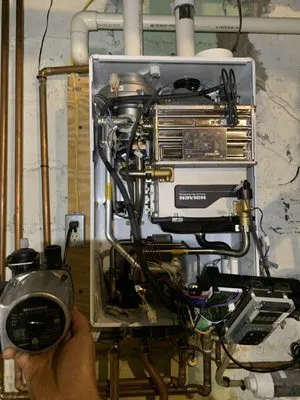
Bob and Kur Plumbing is a family-owned and operated Arlington business founded in 2021 by an experienced plumber with over a decade in the industry. As a father, husband, and son, Bob brings a persona...
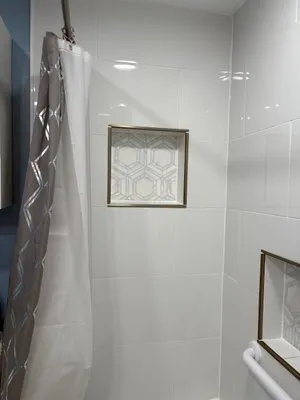
The Cross is a comprehensive home services provider in Arlington, VA, offering a wide range of solutions from appliance installation and repair to major remodeling projects. Our skilled team specializ...
Chandler's Plumbing & Heating
Chandler's Plumbing & Heating Co Inc is a trusted, A+ Certified plumbing and HVAC contractor serving Falls Church and the surrounding Northern Virginia area. As a family-owned business, we take pride ...
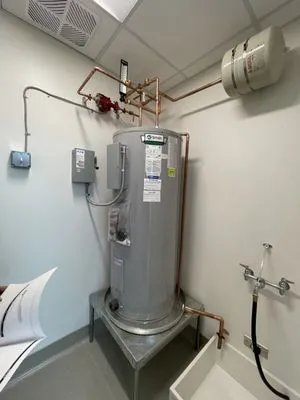
LV Plumbing is a family-owned and operated business in Alexandria, VA, founded in 2013 by father and son master plumbers. We built our reputation on residential work and later expanded into commercial...
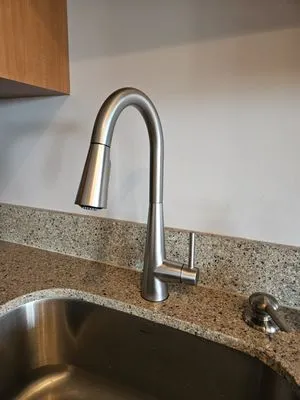
Michael & Son Services
Michael & Son Services has been a trusted name in Alexandria, VA since 1974, providing reliable HVAC, plumbing, and electrical solutions to homes and businesses throughout the community. As a family-o...

CW Fields Plumbing is a trusted, woman-owned and operated business that has been providing reliable plumbing, heating, and air conditioning services to Arlington and the surrounding Northern Virginia ...
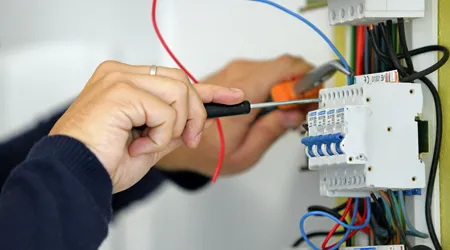
Ace Services
Ace Services is a trusted Alexandria, VA-based provider offering comprehensive electrical, plumbing, and HVAC solutions for local homeowners. With services ranging from circuit breaker installation an...
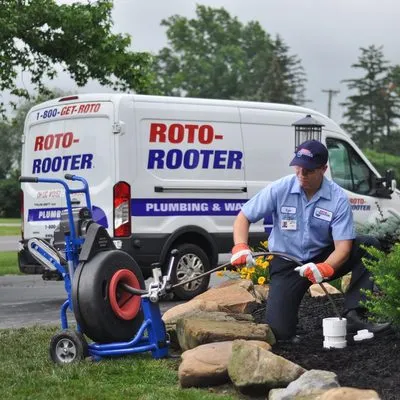
Roto-Rooter Plumbing & Water Cleanup
For Arlington homeowners and businesses needing a reliable plumber, Roto-Rooter Plumbing & Water Cleanup is open, fully staffed, and ready to help 24/7. Our local team of plumbers is dependable, fast,...

Flow Master Plumbing is a locally owned and operated plumbing service in Sterling, VA, founded by Bryan, who brings over 10 years of hands-on experience to every job. With a family background in the t...
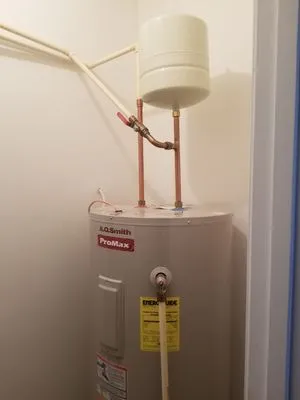
Task Solutions Company LLC is a versatile home services provider based in Arlington, VA, founded in February 2011 by a DMV native. After a decade as a government contractor, the founder recognized a n...
Estimated Plumbing Costs in Silver Hill, MD
Common Questions
Our house was built in the 70s. Should I be worried about the plumbing?
Your copper pipes are about 55 years old now. That's a long service life for any material. Homeowners in Silver Hill Estates are often calling about a sudden increase in small, persistent leaks that appear in walls or ceilings. This is the typical failure point for copper of this vintage, where decades of water chemistry and pressure cycles finally cause widespread pinhole leaks. Re-piping sections, or the entire home, becomes a common consideration at this stage.
How quickly can a plumber get here in an emergency?
From our shop, the dispatch route heads past Andrews Air Force Base onto I-495, then south into Silver Hill. Barring major traffic, we can typically be on-site in 35 to 50 minutes. We prioritize leaks and no-water situations to get a truck rolling immediately, knowing that every minute counts when water is involved.
Do I need a permit to replace my water heater or re-pipe my house?
Yes, Prince George's County requires permits for that work to ensure it meets current code for safety and energy efficiency. As a Master Plumber licensed by the Maryland State Board of Plumbing, I pull all necessary permits from the Department of Permitting, Inspections and Enforcement and schedule the required inspections. My credentials mean I handle the red tape so you don't have to, and the work is fully documented for your home's records.
What's the one winterizing task I shouldn't skip in Silver Hill?
Disconnect and drain your garden hoses every fall. Our winter lows can hit 28°F, and a single overnight freeze can burst the spigot or the pipe inside the wall. This temperate climate makes it easy to forget, but that trapped water has nowhere to expand. Shutting off the interior valve to exterior faucets provides an extra layer of protection against a costly freeze burst.
As a suburban home, what are the most common plumbing issues I might face?
Municipal water pressure here is generally consistent, but that pressure can exacerbate weak points in older copper systems. The most frequent suburban calls involve slab leaks from corroded pipes under the foundation, sewer line blockages from intruding tree roots seeking moisture, and failures of old water heaters or washing machine hoses that haven't been maintained.
Why do my copper pipes keep springing pinhole leaks?
Copper installed in 1971 has been through over five decades of thermal expansion, water pressure surges, and chemical reaction with our water. The internal surface gradually erodes, and microscopic pits deepen until they penetrate the pipe wall. This calcification and thinning is accelerated in areas with aggressive water, which is common here. It's not a matter of if, but when, these pinholes will develop in older systems.
Does our hard water from the Potomac damage appliances?
Yes, the mineral content from the Potomac River leads to significant scale buildup. Inside your water heater, this lime scale acts as an insulator, forcing the unit to work harder and shortening its lifespan. On fixtures and aerators, it reduces flow and causes staining. A whole-house water softener or a descaling treatment at the point of entry can mitigate these effects and protect your investment.
Could the hilly land around here be causing my drainage problems?
The slope of your property directly impacts drainage. On a hill, the main sewer line from your house to the street can experience extra gravitational stress, potentially leading to joint separation or bellies in the pipe where waste collects. Soil erosion around foundations is also more common, which can expose and put lateral stress on your main water service line, making it vulnerable.
