Top Emergency Plumbers in Maugansville, MD, 21740 | Compare & Call

There are 110 plumbing companies server in Maugansville MD
My Plumber Plus is a family-owned, full-service plumbing, electrical, and HVAC company serving Fairfax, VA, and the greater Northern Virginia community since 1982. As a licensed, bonded, and insured c...

My Plumber Plus is a family-owned and operated, full-service heating, cooling, and plumbing company serving Alexandria, VA, and surrounding communities since 1982. We are a licensed, bonded, and insur...
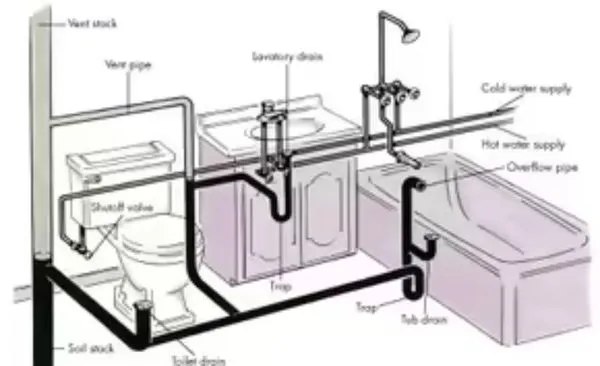
At Cooks Plumbing in Purcellville, our journey began with founder Jim Cook, who envisioned a plumbing service built on trust, integrity, and a genuine commitment to our neighbors. We started with a st...
My Plumber Plus
My Plumber Plus is a family-owned, full-service heating, cooling, and plumbing company serving Manassas, VA, and the surrounding Northern Virginia and Maryland communities since 1982. Licensed and ins...
Tri-State Masters Contracting has been a trusted name for HVAC and plumbing services in Vienna, VA, and throughout the DC metro area for over four decades. Founded by David, a mechanical engineer hold...
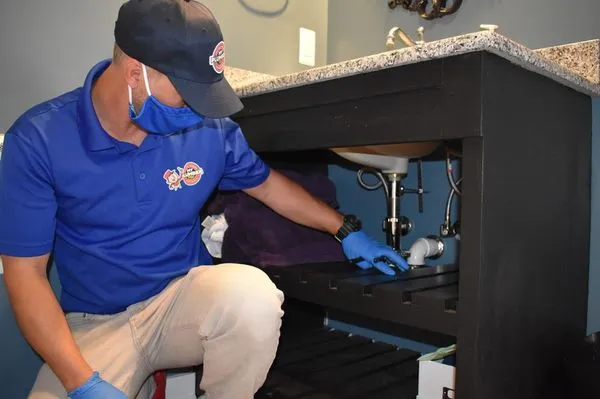
My Plumber Plus is a family-owned, full-service heating, cooling, and plumbing company proudly serving Fredericksburg and the surrounding Northern Virginia communities since 1982. Licensed, bonded, an...
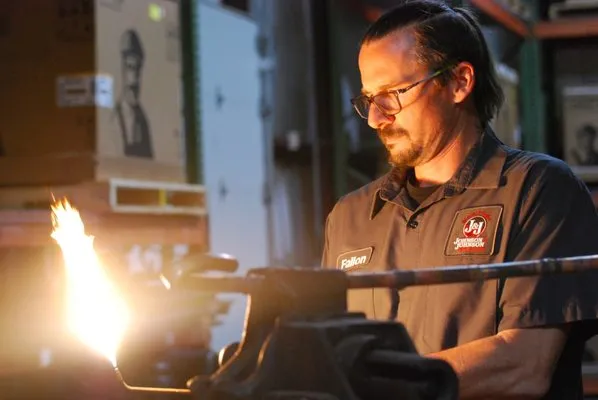
Johnson & Johnson Heating, Air Conditioning, and Plumbing
Johnson & Johnson Heating, Air Conditioning, and Plumbing is a Martinsburg-based family business with deep roots in the Eastern Panhandle. Founded in 1988 by Michael and Susan Johnson alongside their ...
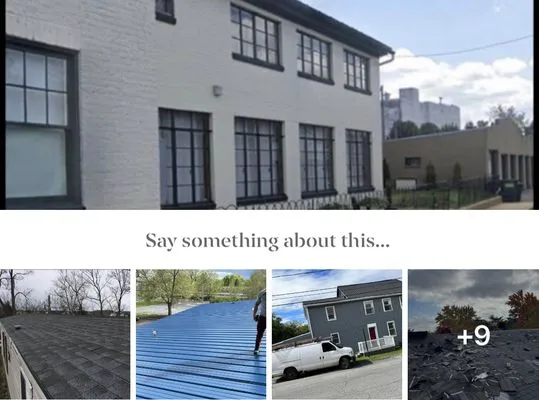
Ph Home Improvement is your trusted local handyman and plumbing expert in Martinsburg, WV. We understand the common headaches homeowners face, like sudden laundry hose bursts or persistent outdoor fau...

Aquarius Plumbing & Heating is a Martinsburg-based plumbing service founded by Lawrence Stottlemyer, a licensed Master plumber with over 20 years of experience in both commercial and residential plumb...
United Plumbing and Home Solutions is a trusted, full-service plumbing company serving Sharpsburg, WV, and the surrounding area. We are committed to providing dependable plumbing solutions for both ho...
Estimated Plumbing Costs in Maugansville, MD
Questions and Answers
My drains are slow but Drano isn't working. What's going on in a suburban house like mine?
In a suburban setting like Maugansville, the issue is typically beyond the sink trap. The culprit is often a partial blockage in the main house lateral—the pipe that connects your home to the municipal sewer. Over years, grease, soap scum, and non-flushable items build up on the pipe walls, gradually restricting flow. Chemical drain cleaners rarely reach or dissolve these deep clogs and can damage older pipes. A mechanical snake or hydro-jetting is usually required.
Our house in Maugansville was built in the 80s. Should I be worried about my plumbing?
Houses built around 1985 now have copper pipes that are about 40 years old. In Maugansville Proper, that age often shows up as a persistent drop in water pressure or small green stains around pipe joints in basements. The copper is entering a phase where thinning from decades of water flow makes it more susceptible to pinhole leaks. It's a predictable lifecycle for this vintage of home, not a reason for panic, but a clear signal to have your system inspected.
I have a small, steady leak in my copper pipe. What's causing it?
For 1985-era copper, that's likely a pinhole leak caused by internal corrosion and scale buildup from our hard water. Over four decades, microscopic pits in the pipe wall can deepen until they penetrate. The leak often starts at a solder joint or where the pipe contacts a bracket, as these are points of slight electrochemical stress. Repairs typically involve cutting out the failed section and installing a new coupling.
What's the most important spring plumbing maintenance for Washington County?
Before the spring thaw peaks, disconnect and drain your outdoor garden hoses. A hose left connected traps water in the exterior faucet and supply pipe. When overnight lows still hit 24°F, that trapped water can freeze, expand, and crack the pipe inside your wall. This simple, five-minute task prevents one of the most common and costly freeze-related repairs we see in this temperate climate.
How fast can a plumber get to my house in Maugansville during an emergency?
A typical dispatch route from our shop heads past the Washington County Rural Heritage Museum to access I-81, which provides a direct path into the community. Barring major traffic, we can be on-site within 20 to 30 minutes. We prioritize emergency calls to ensure someone is en route quickly, as we know a leaking pipe won't wait.
Do I need a permit to replace my own water heater in Washington County?
Yes, Washington County Division of Plan Review and Permitting requires a permit for water heater replacement to ensure the new installation meets current safety and code standards. As a Master Plumber licensed by the Maryland State Board of Plumbing, I handle pulling the permit, scheduling the required inspections, and providing the certification paperwork. This manages the red tape for you and guarantees the work is documented correctly for your home's records.
Could the flat land around here be causing my slow drains?
The generally plain terrain around areas like the Washington County Rural Heritage Museum offers very little natural slope for drainage. If your home's main sewer line was installed with an insufficient grade, waste and sediment can settle and accumulate instead of being carried away. This puts constant, low-grade stress on the line and is a frequent culprit behind recurrent slow drains or backups in local homes.
Why does my water heater in Maugansville seem to fail so often?
Water sourced from the Potomac River is very hard, meaning it carries a high mineral content. Those minerals, primarily calcium and magnesium, precipitate out as scale when heated. Inside your water heater, this scale forms a thick, insulating layer on the heating elements or tank bottom, forcing the unit to work harder and overheat. This drastically shortens its lifespan and reduces efficiency.
