Top Emergency Plumbers in Edgewood, MD, 21009 | Compare & Call

There are 236 plumbing companies server in Edgewood MD
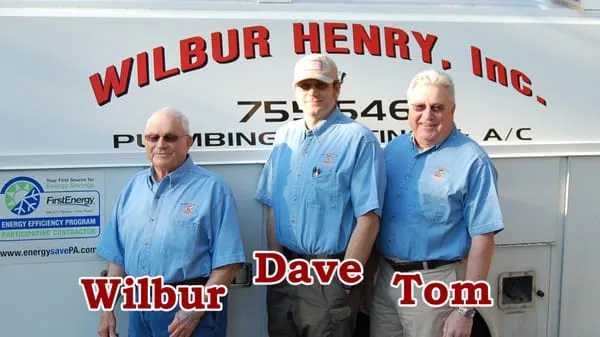
Wilbur Henry Plumbing Heating and A/C
Wilbur Henry Plumbing, Heating, & A/C has been a trusted name for York, PA homeowners since 1960. As a second-generation family business now owned by Tom, we build on decades of local experience to pr...
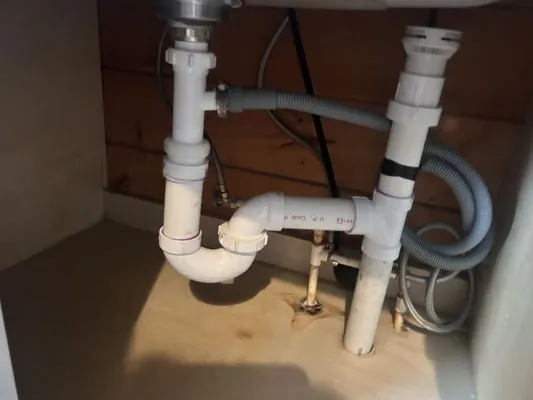
Fish The Plumber is a family-owned plumbing service proudly serving Nottingham, PA, and the surrounding communities. Founded in 2020 by a husband-and-wife team with a deep love for the trade, our busi...
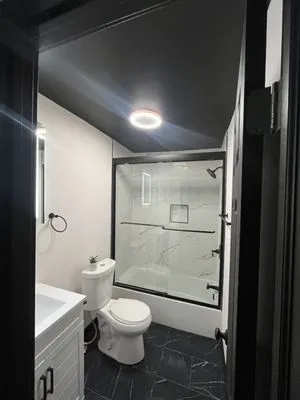
Indigo Contractor
Indigo Contractor is a trusted home services company based in Landenberg, PA, dedicated to serving the community with reliable and personalized solutions. We focus on understanding and fulfilling the ...
I'm George Thomas, the licensed and insured master plumber behind Thomas the Plumber in Towson. My journey started in 2001, and for over two decades, I've been dedicated to solving the plumbing proble...
MB Drain Cleaning is a locally owned and operated plumbing service based right in Middle River. Founder MB, with four years of hands-on experience in the field, turned a passion for the trade into a d...

Next Level Plumbing Services is a family-owned plumbing company serving Baltimore, MD. We bring a personal touch and deep community commitment to every job, from emergency repairs to comprehensive ins...
For over 40 years, Aqua Plumbing and Heating Co. has been the trusted plumbing partner for families across Baltimore City, Anne Arundel, Harford, and Howard Counties. As a family-owned business, we've...
Saffer Plumbing, Heating & Electrical
Saffer Plumbing, Heating & Electrical is a fourth-generation family-owned business serving Baltimore and surrounding counties since its founding. Led by Chairman and Owner David Saffer, who personally...
Hamilton Plumbing, Heating & Air Conditioning
Hamilton Plumbing, Heating & Air Conditioning has been serving Nottingham and surrounding communities since 1978 as a family-owned and operated business. Founded by my father, I completed a rigorous 5...
Impressive Drain Cleaning is a Baltimore-based, NASCO-certified plumbing service with over a decade of experience resolving complex drain and sewer issues for the local community. Our expertise was ho...
Estimated Plumbing Costs in Edgewood, MD
Question Answers
Do I need permits for plumbing work in my Harford County home?
Most plumbing repairs and replacements in Edgewood require permits from the Harford County Department of Planning and Zoning. As a Master Plumber licensed by the Maryland State Board of Plumbing, I handle all permit applications, inspections, and compliance paperwork. This includes documenting pipe materials, ensuring proper venting, and verifying backflow prevention. I manage the red tape so your project meets current codes without you navigating bureaucratic processes.
As an Edgewood homeowner, what suburban plumbing issues should I watch for?
Municipal water pressure in suburban Edgewood typically runs higher than rural systems, which can stress older pipes and fixtures. Tree roots seek water sources and often infiltrate sewer laterals, especially in established neighborhoods. Shared utility easements mean careful coordination is needed for repairs. Unlike rural properties with wells and septic systems, you're connected to Harford County's water and sewer infrastructure, which requires specific compliance for any modifications.
My Edgewood Heights home was built in the 1980s - should I be worried about my plumbing?
Copper pipes installed around 1984 are now 42 years old. In Edgewood Heights, homeowners are seeing pinhole leaks develop in their hot water lines and corrosion at solder joints. This happens because the protective oxide layer inside the pipes has worn thin over decades. You might notice small water stains on ceilings or walls, or hear dripping sounds behind drywall. Regular inspections can catch these issues before they become major water damage problems.
What should Edgewood homeowners do before spring thaw to prevent plumbing problems?
Before temperatures rise above freezing consistently, check all exterior faucets for freeze damage. Insulate pipes in unheated crawl spaces, since our 26°F winter lows can still affect poorly protected lines. Clear gutters and downspouts to direct meltwater away from your foundation. Test your sump pump if you have one, as spring thaw increases groundwater. These steps prevent burst pipes and basement flooding when the ground thaws.
Could the low land near Anita C. Leight Estuary Center affect my home's main sewer line?
The low-lying terrain around the estuary means groundwater tables rise during wet periods. This puts hydrostatic pressure on your main sewer line, which can cause joint separation or pipe deflection over time. Soil saturation also leads to shifting that stresses connections between your home and the municipal system. Regular camera inspections of the main line identify these issues before backups occur. Proper grading around your foundation helps divert surface water away from critical plumbing infrastructure.
How quickly can a plumber reach my Edgewood home in an emergency?
Heading past Anita C. Leight Estuary Center on I-95 puts me on the main artery to Edgewood. From there, local routes get me to most homes within 25-35 minutes during normal traffic. I keep real-time traffic monitoring active to adjust for backups near the I-95 interchanges. This dispatch pattern means I can assess your situation and have the right tools on hand when I arrive.
Does Susquehanna River water damage my home's plumbing fixtures?
Water drawn from the Susquehanna River contains minerals that create hard water scaling. This scale buildup reduces water heater efficiency by insulating heating elements, forcing them to work harder. In fixtures, scale restricts flow through aerators and showerheads. Over years, the minerals also accelerate corrosion in water heater tanks and appliance valves. Installing a whole-house water softener or using scale inhibitors protects your plumbing investment.
Why do my copper pipes keep springing leaks in my 1980s Edgewood home?
Copper pipes from 1984 often develop pinhole leaks due to electrolytic corrosion. The solder joints from that era contain lead, which can deteriorate and allow seepage. You might also see joint calcification where mineral deposits weaken connections. These failures typically start in hot water lines first, then appear in cold lines. Replacing affected sections with modern copper or PEX prevents recurring leaks.
