Top Emergency Plumbers in Cobb Island, MD, 20625 | Compare & Call

There are 133 plumbing companies server in Cobb Island MD
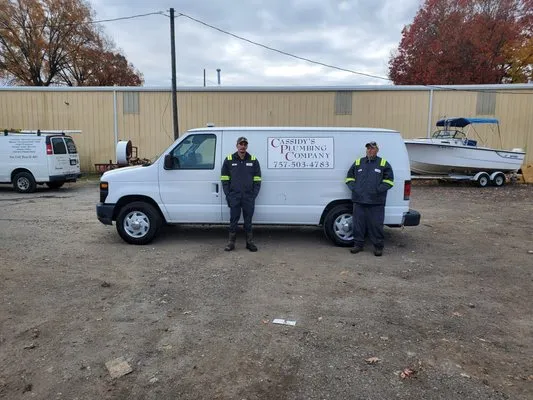
Cassidy's Plumbing & Septic is a locally owned and operated plumbing service based in Hampton, Virginia. For years, we've been the trusted call for Hampton homeowners facing a wide range of plumbing a...
Re Juv A Nation
Re Juv A Nation is a trusted handyman and home repair service based in Seven Corners, VA, offering comprehensive solutions for local homeowners. We specialize in a wide range of services including app...
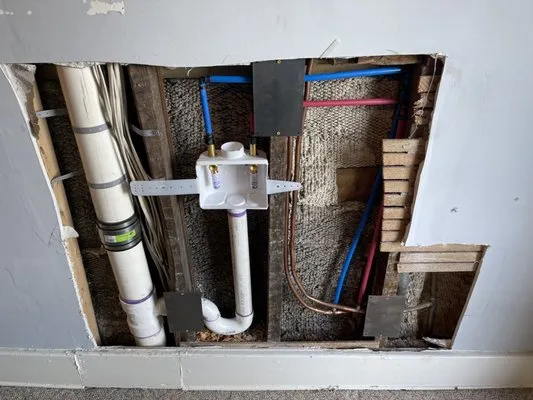
The Plumbing Officials is a locally owned plumbing service in Richmond, VA, with over 30 years of experience in the construction industry. We provide 24/7 emergency services for both residential and c...
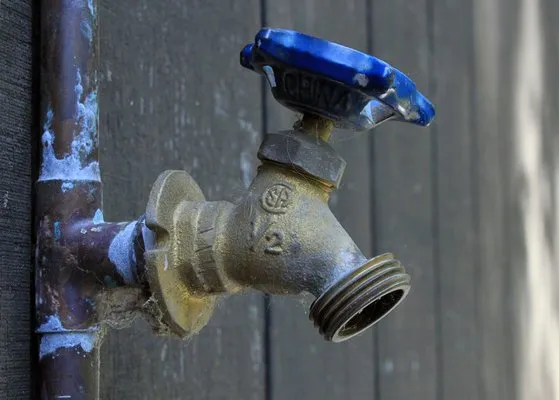
Harry's Plumbing has been serving Richmond, VA, and surrounding areas since 2008, providing reliable plumbing services with a focus on quality and honesty. With over 25 years of industry experience, o...

B l Plumbing is a trusted, full-service plumbing company serving Richmond, VA, and surrounding areas. We specialize in a comprehensive range of residential and commercial plumbing services, including ...
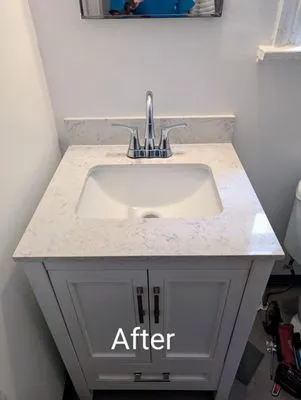
H2O Pro is a trusted plumbing service provider serving Richmond, VA homeowners with comprehensive solutions for common local plumbing issues. Specializing in both installation and repair, we address f...
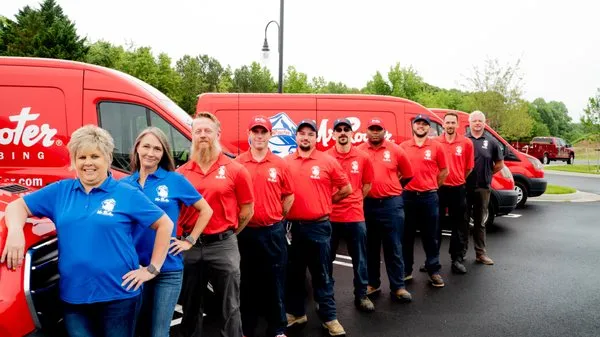
Mr. Rooter Plumbing of Richmond, VA
Mr. Rooter Plumbing of Richmond, VA, located in Midlothian, is your local plumbing expert serving the community with reliable, honest service. Founded on core values established in 1970, this independ...
Advanced Plumbing, LLC is a licensed and insured plumbing company serving Richmond, VA with over 20 years of experience. Starting as a single technician with one truck, we've grown to a team of more t...
For over 25 years, Plumber Near Me has been the trusted local plumbing resource for Midlothian and Richmond-area homeowners. Our licensed team brings extensive experience to every job, from routine fa...
New Age Plumbing is your trusted local plumbing expert serving Blackstone, VA, and surrounding areas. We specialize in comprehensive plumbing solutions including drain, faucet, garbage disposal, water...
Estimated Plumbing Costs in Cobb Island, MD
FAQs
Why are so many Cobb Island homes having plumbing problems lately?
Galvanized steel pipes installed around 1950 are now 76 years old. At this age, the zinc coating has completely worn away, exposing the underlying steel to corrosion. Homeowners along the Cobb Island Waterfront are seeing rust-colored water, reduced water pressure, and frequent leaks as the metal thins and fails. This is a predictable lifecycle issue with galvanized systems from that era.
Does well water damage water heaters and fixtures faster?
Private wells in Cobb Island typically pull hard water with high mineral content. Over time, scale buildup inside water heaters reduces efficiency and can cause premature failure. Fixtures develop mineral deposits that restrict flow and degrade seals. Installing a whole-house water softener or regular descaling treatments helps protect your plumbing investment from this accelerated wear.
Should I worry about frozen pipes during Cobb Island winters?
While our 27°F lows are milder than northern regions, spring thaw presents the real risk. As ground temperatures fluctuate, buried pipes can shift and develop stress fractures. A practical tip: insulate exposed pipes in crawl spaces before winter, and check for leaks after the ground fully thaws in March. This proactive approach prevents most cold-weather emergencies in our temperate climate.
How quickly can a plumber reach Cobb Island during an emergency?
Heading past Cobb Island Bridge on MD-254, our dispatch route covers the main access road to the island. We maintain a 45-60 minute response window for urgent calls. While that might seem longer than in-town service, we factor in bridge traffic and the rural layout to provide realistic arrival estimates. Knowing the route helps us optimize travel time when you need immediate assistance.
Why does my yard drain poorly near the water?
Coastal soil around Cobb Island Bridge has a high sand content that shifts with tidal influence and rainfall. This movement puts lateral stress on main water lines, potentially causing misalignment or joint separation. The gentle slope toward the waterfront can also create drainage issues where water pools against foundation walls. Proper grading and flexible pipe connections help accommodate this dynamic terrain.
Are septic and well systems more complicated to maintain?
Rural properties with private wells and septic systems require different maintenance than municipal services. Well pumps need periodic inspection for pressure consistency, while septic tanks require regular pumping to prevent backups into drainage lines. Understanding this self-contained water cycle helps homeowners anticipate maintenance needs before they become emergencies. It's part of the trade-off for waterfront living.
What causes those small leaks in old pipes around here?
Galvanized steel pipes from the 1950s develop pinhole leaks as corrosion eats through the metal from the inside out. Mineral deposits and rust buildup create weak spots that eventually perforate. Joint calcification is another common failure where decades of mineral accumulation prevents proper sealing at connections. Both issues stem from the natural degradation of 70+ year old plumbing materials.
Who handles permits for plumbing work in Charles County?
The Charles County Department of Planning and Growth Management oversees local permits, while the Maryland State Board of Plumbing sets statewide codes. As a licensed master plumber, I manage all required paperwork and inspections for your project. This includes well and septic modifications that need county approval. Handling this red tape ensures your work meets current standards without adding administrative burden to your schedule.
