Top Emergency Plumbers in Chestertown, MD, 21620 | Compare & Call

There are 35 plumbing companies server in Chestertown MD
Ronnie Barnhart Plumbing is a trusted, locally-owned business serving Hanover, PA, and the surrounding areas since 1986. As a third-generation plumber, owner Ronnie Barnhart brings over 30 years of ha...

Brian B. Quick Plumbing
For over four generations, the Quick family has served Maryland and D.C. with reliable plumbing. As a family-owned and operated business in Beltsville, we treat every customer and employee like part o...
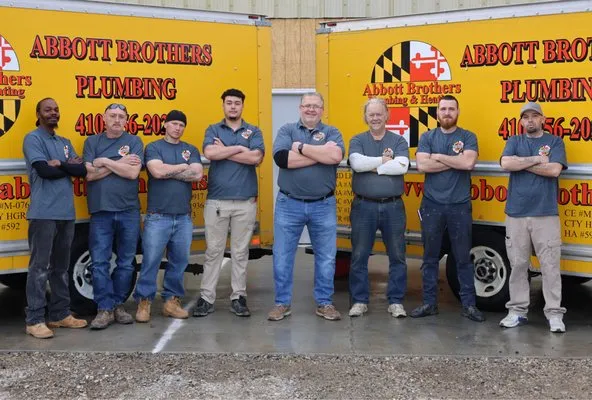
Abbott Brothers Plumbing & Heating of Maryland
For over a decade, Abbott Brothers Plumbing & Heating of Maryland has been the trusted local solution for Baltimore homeowners facing plumbing and heating issues. We believe in clear communication and...
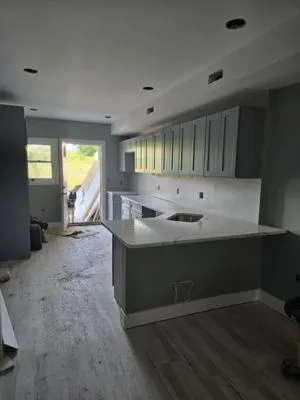
AJ Plumbing LLC has been Baltimore County's trusted plumbing and water treatment specialist for over a decade. As a fully licensed and insured local business, we provide comprehensive plumbing solutio...
Forster Plumbing is a family-owned Baltimore institution, serving the community since 1898. Spanning five generations, the company's heritage is palpable, with the founder's original tool chest displa...

Atlantic Blue Water Services
Atlantic Blue Water Services is a locally owned and operated plumbing and water treatment company serving Severna Park, MD, and the broader Baltimore and Harford County area. With over 75 years of exp...

For over two decades, Mencia and Sons Home Improvement has been the trusted, family-owned choice for Annapolis homeowners. Founded on a commitment to craftsmanship and clear communication, we speciali...
Fairland Plumbing and Heating
Fairland Plumbing and Heating is a family-owned and operated business serving Brookeville, MD, and surrounding communities with honesty and dependability since 1994. As a licensed and insured Master P...
Greig Plumbing is your trusted, local plumbing expert serving Pasadena, MD, and the surrounding communities. For years, we have been helping homeowners and businesses tackle the most common and frustr...

Maintenance Engineering
Maintenance Engineering in Conowingo, MD, is a trusted local service provider with deep roots in the community. As a semi-retired maintenance director, I bring decades of hands-on experience to every ...
Estimated Plumbing Costs in Chestertown, MD
Q&A
How does Chester River water affect my plumbing fixtures?
Water from the Chester River has high mineral content that causes scaling on fixtures and inside pipes. This hard water leaves deposits on showerheads, faucet aerators, and water heater elements. Over time, scale buildup reduces water pressure and efficiency. Installing a water softener or using vinegar solutions for cleaning can mitigate these effects.
Does the coastal terrain around Washington College affect drainage?
The gentle slopes in our coastal terrain can cause water to pool near foundations during heavy rains. Soil composition around Washington College allows for good absorption, but older drainage systems may struggle with runoff. This puts stress on main sewer lines, potentially causing backups. Proper grading around your home's foundation helps direct water away from plumbing entry points.
What plumbing concerns are specific to rural Chestertown homes?
Rural properties often rely on well systems and septic tanks rather than municipal services. Well pumps need regular maintenance, and water quality testing is essential. Septic systems require periodic inspection to prevent backups. Pressure tanks and treatment systems add complexity compared to city-connected homes.
How quickly can a plumber reach my home in Chestertown?
Heading past Washington College on US Route 213, I can typically reach most addresses in 20-30 minutes. This route connects the college area to residential neighborhoods efficiently. Knowing the local roads helps avoid delays during peak college activity times. Response time depends on traffic, but the route structure keeps service predictable.
Who handles permits for plumbing work in Kent County?
Kent County Department of Planning, Housing and Zoning oversees local permits, while the Maryland State Board of Plumbing sets statewide standards. As a licensed master plumber, I manage the permit process and ensure all work meets code requirements. This includes inspections and documentation, so homeowners don't need to navigate bureaucratic details themselves.
My copper pipes were installed around 1983 - what should I expect at this age?
Copper pipes installed in 1983 are now 43 years old. In the Historic District, homeowners often notice pinhole leaks developing in these aging pipes, particularly at joints and bends where water turbulence causes erosion. You might see small damp spots on walls or ceilings, or hear faint dripping sounds behind drywall. This is typical for copper reaching four decades of service in our area's water conditions.
What should I do before spring thaw to prevent plumbing problems?
Before temperatures rise above freezing, check exposed pipes for insulation gaps. Spring thaw can reveal leaks that developed during winter freeze cycles. Drain outdoor faucets and disconnect hoses to prevent backflow issues. Monitoring water pressure during thaw periods helps identify new leaks early.
Why do my 1980s copper pipes keep developing leaks?
Copper pipes from the early 1980s often experience joint calcification and pinhole leaks due to decades of water flow and mineral interaction. The solder joints from that era can deteriorate, allowing small leaks to form. Scale buildup inside the pipes accelerates this process. Regular inspection of visible pipe sections helps catch these issues before they cause significant damage.
