Top Emergency Plumbers in Burnt Mills, MD, 20901 | Compare & Call

There are 238 plumbing companies server in Burnt Mills MD
Home Service Pros is a trusted, locally-owned contractor serving Alexandria, VA, and the greater Northern Virginia region. Founded by Greg Schick and built from the merger of Quality Sewer & Drain and...
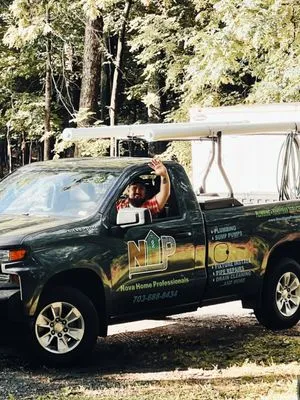
Two Irish Plumbers, formerly Nova Home Professionals, is a fully licensed and insured plumbing company serving Alexandria, VA. Owned and operated by Steven Katz and Ian Harris, we bring over 20 years ...
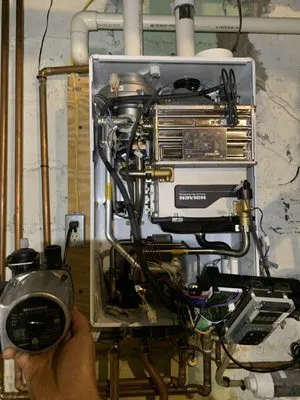
Bob and Kur Plumbing is a family-owned and operated Arlington business founded in 2021 by an experienced plumber with over a decade in the industry. As a father, husband, and son, Bob brings a persona...
Chandler's Plumbing & Heating
Chandler's Plumbing & Heating Co Inc is a trusted, A+ Certified plumbing and HVAC contractor serving Falls Church and the surrounding Northern Virginia area. As a family-owned business, we take pride ...
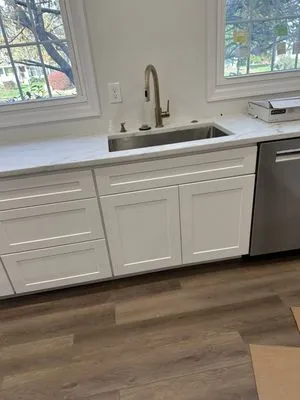
Fer Plumbing & Remodeling Services has been a trusted local partner for Woodbridge and Stafford County homeowners since 2008. With over two decades of combined experience, our licensed and insured tea...
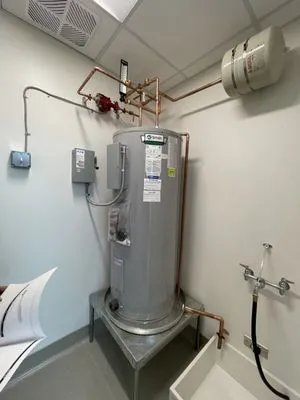
LV Plumbing is a family-owned and operated business in Alexandria, VA, founded in 2013 by father and son master plumbers. We built our reputation on residential work and later expanded into commercial...

Tay's Plumbing is a trusted, locally-owned plumbing service serving Arlington, VA, and the surrounding area. We understand that Arlington homeowners commonly face issues like pipe corrosion and low wa...

Flow Master Plumbing is a locally owned and operated plumbing service in Sterling, VA, founded by Bryan, who brings over 10 years of hands-on experience to every job. With a family background in the t...
For over seven years, A's Irrigation System has been a trusted family-owned and operated business serving the Sterling, VA community. Founded by Pamela and her husband, the company was built on a comm...

Re Juv A Nation
Re Juv A Nation is a trusted handyman and home repair service based in Seven Corners, VA, offering comprehensive solutions for local homeowners. We specialize in a wide range of services including app...
Estimated Plumbing Costs in Burnt Mills, MD
Frequently Asked Questions
What permits do I need for plumbing work in Montgomery County?
Montgomery County Department of Permitting Services requires specific approvals for most plumbing modifications beyond basic repairs. As a Maryland State Board of Plumbing licensed master plumber, I handle the permit applications, inspections, and code compliance documentation. This includes ensuring work meets current IPC standards and coordinating with county inspectors. Proper permitting protects your home's value and ensures installations meet safety requirements for resale.
Could the hilly landscape around Burnt Mills Park affect my home's drainage?
Hilly terrain places constant stress on main sewer lines through soil shifting and root intrusion. Downslope properties often experience increased hydrostatic pressure during heavy rains, testing pipe joints and cleanout seals. The slope around Burnt Mills Park means some homes have drainage systems working against gravity, requiring properly sized ejector pumps. Regular camera inspections of lateral lines catch root intrusion early before complete blockages occur.
My Burnt Mills Hills home was built in the 1960s - should I be worried about my plumbing?
Copper pipes installed around 1962 are now 64 years old. At this age, homeowners in Burnt Mills Hills often notice increased frequency of pinhole leaks, especially at solder joints where decades of water flow have thinned the metal. The original installation methods from that era didn't anticipate today's water chemistry, leading to accelerated corrosion in certain sections. Regular inspections of exposed pipes in basements and crawlspaces can catch these issues before they become emergencies.
Why do my copper pipes keep developing small leaks?
Copper pipes from 1962 installations often develop pinhole leaks due to a combination of age and water chemistry. Over six decades, microscopic erosion occurs at weak points, particularly where original solder contained higher lead content. Joint calcification from mineral buildup creates pressure points that eventually perforate the thinning copper. These failures typically appear first in horizontal runs and at elbow joints where water turbulence accelerates wear.
Does Patuxent River water damage my home's plumbing fixtures?
Water sourced from the Patuxent River basin carries high mineral content that accelerates scale buildup. In water heaters, this scaling reduces efficiency by insulating heating elements and trapping sediment at the tank bottom. Fixtures develop reduced flow as aerators and cartridge valves clog with calcium deposits. Installing whole-house water softeners or regular descaling of affected components extends appliance lifespan in Burnt Mills homes.
How quickly can a plumber reach my house in Burnt Mills?
Heading past Burnt Mills Park on US-29 provides the most direct route through the area. From there, experienced local plumbers know the neighborhood layouts and secondary roads that avoid school zone delays. Typical response times run 30-45 minutes during business hours, though afternoon traffic on US-29 can add minutes. Knowing these routes means we arrive prepared with the right tools for common Burnt Mills plumbing issues.
What should I do to prepare my plumbing for Maryland's spring weather changes?
Spring thaw brings the annual peak for pipe failures as ground temperatures fluctuate. A practical tip: during late winter, locate and test your main water shutoff valve before temperatures consistently stay above freezing. Pipes that survived winter freezing can fail during spring ground movement as soil settles. Insulating exposed pipes in crawlspaces prevents sudden temperature shocks when overnight lows still hit 27°F through early spring.
As a suburban homeowner, what unique plumbing issues should I watch for?
Suburban Montgomery County properties face specific challenges with municipal water pressure fluctuations and shared utility corridors. Pressure regulators installed decades ago often fail gradually, causing inconsistent fixture performance. Tree roots from mature landscaping frequently invade sewer laterals seeking moisture. Unlike rural systems with wells, municipal connections mean any main line issue affects multiple homes simultaneously, making prompt repairs more critical.
