Top Emergency Plumbers in Wenham, MA, 01984 | Compare & Call

There are 220 plumbing companies server in Wenham MA
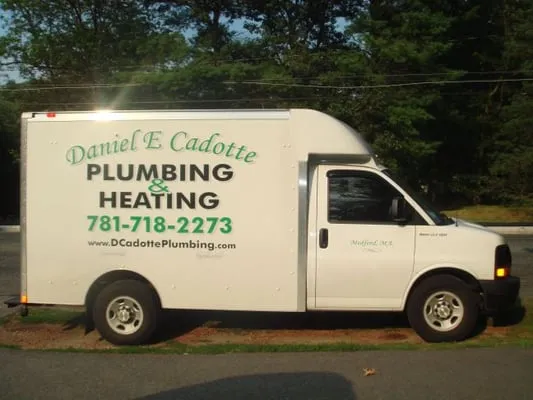
Daniel E. Cadotte Plumbing & Heating
Daniel E. Cadotte Plumbing & Heating has been a trusted fixture in Medford and the greater Boston area since 2004. As a licensed and fully insured company, we provide comprehensive plumbing, heating, ...

John's Sewer & Drain Cleaning has been a trusted plumbing service provider in Woburn, MA, and the Greater Boston area since 1976. As a locally owned and operated business under President Larry Gillis,...
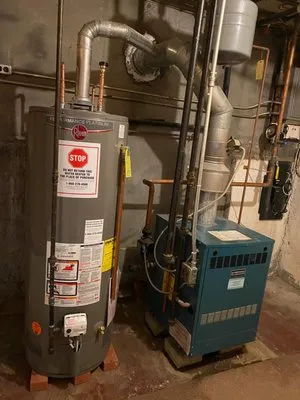
Rami & Sons Plumbing and Heating is a trusted, family-owned plumbing and heating service based in Boston, Massachusetts. Established in 2008, we are a fully licensed, insured, and MBE-certified compan...
128 Plumbing, Heating, Cooling & Electric
128 Plumbing, Heating, Cooling & Electric has been a trusted service provider for homeowners in Wakefield, MA, and the Greater Boston area for over 30 years. Our team of licensed and highly trained te...
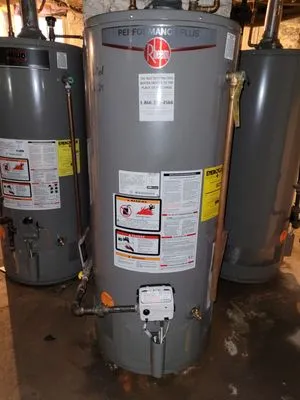
Bay State Heating & Cooling
Bay State Heating & Cooling is a trusted HVAC and plumbing service provider serving Boston, MA, with expertise in both residential heating/cooling systems and comprehensive plumbing solutions. Our tea...
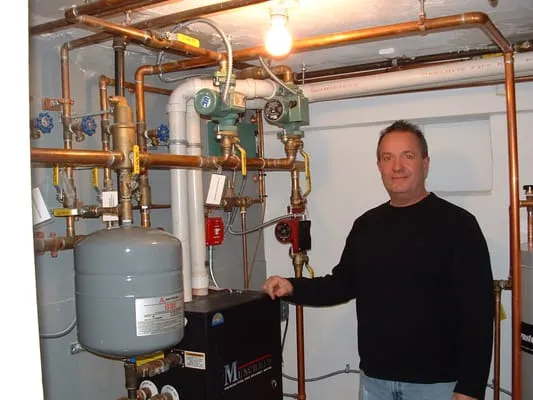
Rich Mathews & Son
Rich Mathews & Son is a family-owned plumbing and heating company serving Revere, MA, and the surrounding communities since 1928. Founded by Ed Mathews Sr. and now led by his son, Master Plumber Rich ...
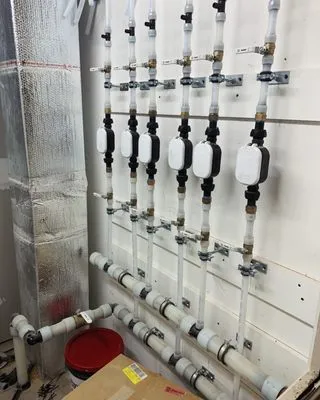
ER Services Plumbing and Heating
ER Services Plumbing and Heating LLC is a licensed and bonded plumbing and heating company serving Lawrence, MA, and surrounding communities. We specialize in both residential and commercial plumbing ...
Malden Plumbing Services, led by Jayden, has been a trusted local name in Boston since 2018. We are dedicated to solving plumbing challenges with a blend of hands-on skill and modern diagnostic techno...
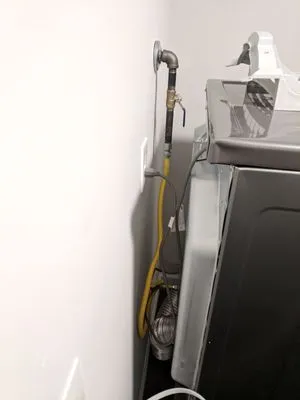
For over a decade, J. M. Puopolo Plumbing & Heating has been the trusted name for reliable plumbing and heating services in Haverhill, MA. As a local, family-operated business, we understand the speci...

Hi, I'm Mike DiMartino, a master plumber and the proud owner of Rusty Pipes Plumbing & Heating, LLC. After serving honorably in the US Marine Corps, I pursued a career in plumbing, gaining years of fi...
Estimated Plumbing Costs in Wenham, MA
Questions and Answers
Why do my copper pipes keep springing pinhole leaks?
Copper pipes installed in 1964 are now experiencing pinhole leaks due to age-related thinning. Over six decades, water flow gradually erodes the interior walls, creating weak spots that eventually perforate. This is especially common at joints and bends where turbulence occurs. Regular inspections can identify thinning sections before they fail completely.
How old are the copper pipes in Wenham homes and what should I expect?
Copper plumbing in Wenham was typically installed around 1964, making it 62 years old in 2026. Homeowners in Wenham Center are now seeing consistent issues with their original systems. You might notice reduced water pressure, discolored water, or frequent small leaks. At this age, the copper has endured decades of water chemistry changes and temperature fluctuations, which accelerates wear.
What permits or regulations apply to plumbing work in Wenham?
The Wenham Building Department requires permits for most plumbing modifications, and all work must meet Massachusetts Board of State Examiners of Plumbers and Gasfitters standards. As a licensed master plumber, I handle the permit applications and inspections directly. This ensures your project complies with local codes while you avoid bureaucratic delays. Proper documentation protects your home's value and safety.
How quickly can a plumber reach my home in Wenham?
Heading past Wenham Museum on Route 1A, our dispatch route covers most residential areas efficiently. We maintain a 45-60 minute response window for emergency calls. This timing accounts for Wenham's winding roads and traffic patterns while ensuring we reach you promptly. Knowing the local layout helps us navigate directly to your address without delays.
As a suburban Wenham homeowner, what unique plumbing considerations should I know?
Wenham's suburban setting means most homes connect to municipal water systems with consistent pressure. However, tree roots frequently invade lateral sewer lines between homes and main streets. You might notice slow drains or gurgling sounds when roots obstruct flow. Regular camera inspections of your lateral line can catch root intrusion early before it causes major blockages.
How does Wenham's hilly terrain affect my home's drainage system?
Wenham's hilly slopes, particularly around areas like Wenham Museum, create drainage challenges. Gravity pulls water downward, putting extra stress on main sewer lines running along slopes. This can lead to soil erosion around pipes or joint separation over time. Proper grading around your foundation and regular drain line inspections help prevent backups and structural issues.
Does Wenham's water from the Ipswich River damage plumbing fixtures?
Water sourced from the Ipswich River tends to be acidic and corrosive, which accelerates wear on plumbing components. This acidity particularly affects water heater tanks and fixture valves, causing premature failure. You might notice blue-green staining on fixtures or metallic-tasting water. Installing proper filtration or water treatment can mitigate these effects and extend your system's lifespan.
What plumbing issues should I watch for during Wenham's spring thaw?
Spring thaw brings rapid temperature shifts that stress plumbing systems. When temperatures rise from winter lows around 15°F, frozen pipes thaw unevenly, potentially causing cracks or joint failures. A pro-tip: keep cabinet doors open to allow warm air circulation around pipes during thaw periods. Also, check outdoor spigots and basement lines for leaks as temperatures stabilize.
