Top Emergency Plumbers in South Lancaster, MA, 01523 | Compare & Call

There are 229 plumbing companies server in South Lancaster MA
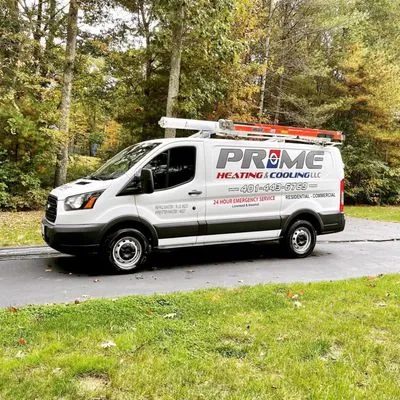
Prime Heating & Cooling
Prime Heating & Cooling has been a trusted fixture in the Smithfield community since 2001. We are a full-service provider dedicated to the comfort and safety of Rhode Island homes. Our skilled and bac...
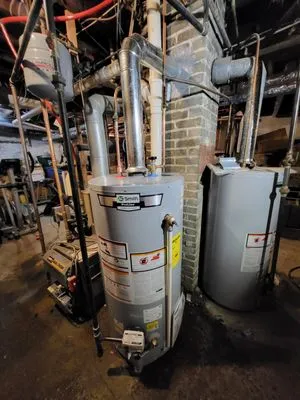
Thermotec PHC is a trusted local plumbing and HVAC company serving Woonsocket, RI, and the surrounding communities. We offer a comprehensive range of services, from emergency repairs to complete syste...
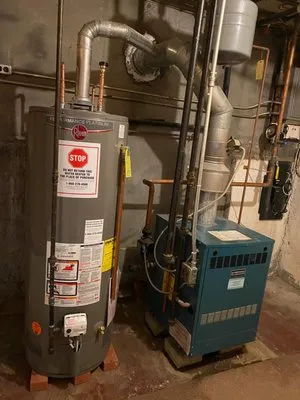
Rami & Sons Plumbing and Heating is a trusted, family-owned plumbing and heating service based in Boston, Massachusetts. Established in 2008, we are a fully licensed, insured, and MBE-certified compan...
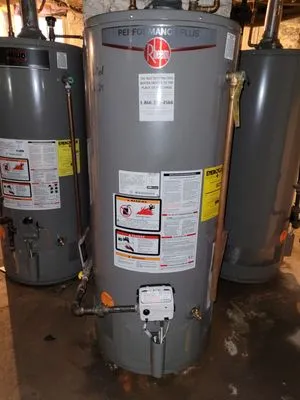
Bay State Heating & Cooling
Bay State Heating & Cooling is a trusted HVAC and plumbing service provider serving Boston, MA, with expertise in both residential heating/cooling systems and comprehensive plumbing solutions. Our tea...
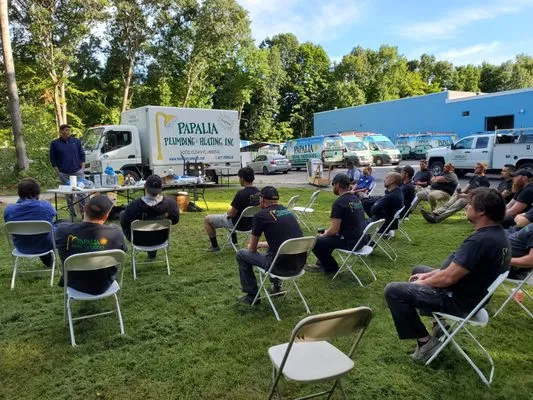
Papalia Home Services
Since 1990, Papalia Home Services has been a trusted name for plumbing, heating, and electrical needs in Boxborough and the surrounding Boston Metro West communities. Founded by master plumber Jim Pap...

Menotomy Plumbing & Heating
Menotomy Plumbing & Heating is a locally owned and operated plumbing service in Arlington, MA, founded by Paul, a licensed plumber with nearly 25 years of hands-on experience. Paul personally handles ...
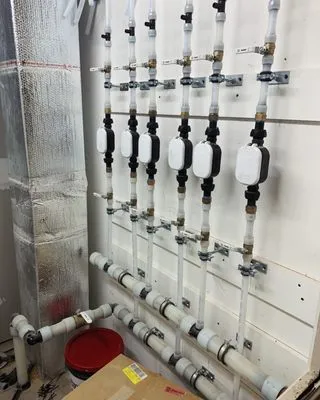
ER Services Plumbing and Heating
ER Services Plumbing and Heating LLC is a licensed and bonded plumbing and heating company serving Lawrence, MA, and surrounding communities. We specialize in both residential and commercial plumbing ...
Malden Plumbing Services, led by Jayden, has been a trusted local name in Boston since 2018. We are dedicated to solving plumbing challenges with a blend of hands-on skill and modern diagnostic techno...
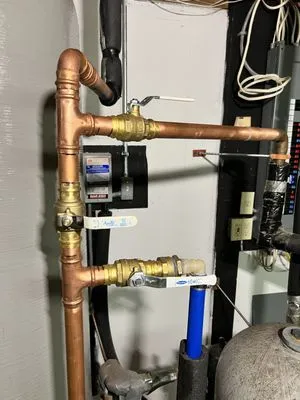
Maxwell Mechanical Plumbing & Heating
Maxwell Mechanical Plumbing & Heating has been serving Chelmsford, MA, and surrounding areas for over 20 years, providing expert plumbing, heating, and mechanical contracting services. We specialize i...
MF Mitchell Plumbing HVAC & Drain Cleaning
MF Mitchell Plumbing HVAC & Drain Cleaning is a trusted local plumbing service in Worcester, MA, owned and operated by MF Mitchell. With over a decade of hands-on experience, MF Mitchell brings a pers...
Estimated Plumbing Costs in South Lancaster, MA
Questions and Answers
Could the hilly land around here be causing my drainage problems?
Absolutely. The slope of the terrain, like the grades seen around the Atlantic Union College Campus, puts constant gravitational stress on the main sewer line running from your home to the street. This can lead to bellies or sags in the pipe where waste collects, or joint separations. For drainage, water naturally follows the hill, which can overload foundation drains and sump pits during heavy rain or rapid spring thaw, testing their capacity.
What's the most important seasonal plumbing tip for a South Lancaster winter?
The key is acting before the deep freeze. When overnight lows are forecast to hit 15°F, ensure any exterior hose bibs are shut off from inside the house and drained. Pay special attention to pipes in unheated crawl spaces or against exterior walls in basements. A more subtle pro-tip for our temperate climate is to check your main water shutoff valve every fall; older gate valves can seize if not operated annually, leaving you unable to stop water during a spring thaw pipe burst.
Does the hard water in South Lancaster damage my plumbing fixtures?
Yes, the mineral content from the Nashua River watershed leads to significant scale buildup. Inside a water heater, this limescale acts as an insulator, forcing the unit to work harder and shortening its lifespan. On fixtures, scale clogs aerators and showerheads, and it can seize the internal cartridges of faucets, making them difficult to turn or causing drips. Over time, this accumulation also narrows the interior diameter of even copper or PEX pipes following a repipe.
As a suburban homeowner here, what are my main plumbing system concerns?
Your primary focus should be on the lateral lines that connect your property to municipal mains. Tree roots seeking moisture are a frequent issue for sewer laterals. On the supply side, verifying your home's water pressure is crucial, as municipal pressure can vary and excessive force stresses old galvanized fittings. Unlike rural settings with wells and septic, you're reliant on town infrastructure, so knowing the location and condition of your main shutoff valve is your first line of defense for any internal issue.
My South Lancaster house was built in the 1950s. What should I expect from my plumbing now?
Homes in South Lancaster Village built around 1956 have 70-year-old galvanized steel supply lines. At this age, the interior of the pipe has often corroded down to the size of a pencil lead, severely restricting water flow. Homeowners typically notice a dramatic drop in pressure at faucets farthest from the main, and the water may have a rusty tint, especially after the line has been static overnight. This is the stage where full pipe-wall failures become more common than isolated pinhole leaks.
How quickly can a plumber get to my home in South Lancaster?
A typical dispatch route for a South Lancaster call starts from the central area near the Atlantic Union College Campus. Heading onto I-190 provides the most direct access to neighborhoods throughout the town. Depending on your specific location off the highway and current traffic, you can generally expect a service vehicle to be on-site within 30 to 45 minutes from the initial call.
Do I need a permit to replace my water heater or repipe my house in Lancaster?
Yes, most major plumbing work requires a permit from the Lancaster Building Department. As a Master Plumber licensed by the Massachusetts Board of State Examiners of Plumbers and Gas Fitters, I handle pulling the permit, scheduling inspections, and ensuring the work meets all state and local codes. This process protects your investment and home value. My responsibility is to manage that red tape so you don't have to navigate the regulatory details yourself.
Why are my old galvanized pipes suddenly leaking everywhere?
Galvanized steel pipe installed in 1956 fails in predictable ways. The zinc coating that protects the steel erodes over decades, leaving the base metal to rust from the inside out. This creates pinhole leaks, but more critically, it causes heavy internal scale buildup that blocks water flow. The pipe threads at fittings and unions are common failure points, as calcification and rust make the metal brittle, leading to cracks under normal water pressure.
