Top Emergency Plumbers in South Boston, MA, 02127 | Compare & Call

There are 239 plumbing companies server in South Boston MA
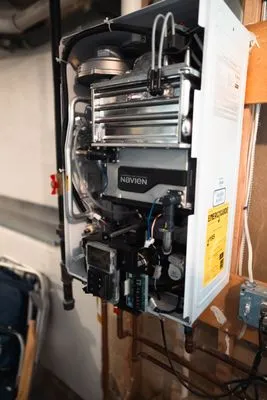
Akian Plumbing, Heating, Cooling & Electric
Akian Plumbing, Heating, Cooling & Electric is a Watertown-based service provider founded by Stephen S. Akian, CPD, who brings uncommon expertise to residential and commercial projects. With credentia...
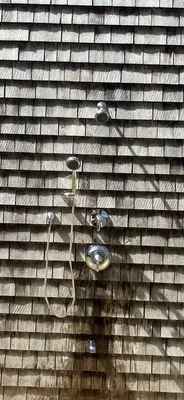
Casper Plumbing & Heating is a family-owned plumbing and heating service based in Quincy, MA, dedicated to providing reliable solutions for residential needs. With a focus on professionalism and custo...
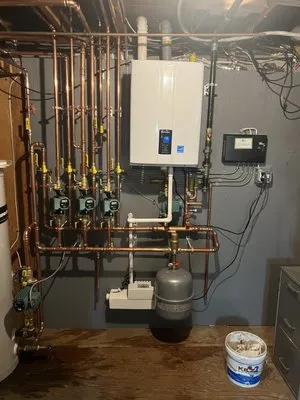
Mr Fix-It Plumbing has been a trusted fixture in Brookline since 1986, founded by a father who instilled a passion for honest, reliable plumbing work in his son. Today, this family-run business contin...
Daniel E. Cadotte Plumbing & Heating
Daniel E. Cadotte Plumbing & Heating has been a trusted fixture in Medford and the greater Boston area since 2004. As a licensed and fully insured company, we provide comprehensive plumbing, heating, ...
Distinct Plumbing Heating & Gas Fitting
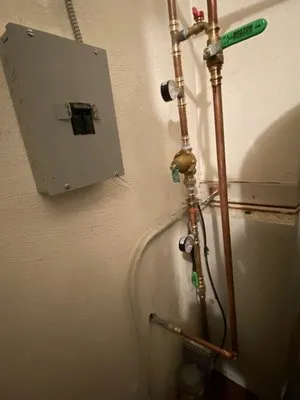
Distinct Plumbing Heating & Gas Fitting is a family-owned and operated plumbing company serving Everett, MA, and the Boston area. With over ten years of experience, owner Kumar leads a team dedicated ...
Drain Flow was founded in Boston in 2009 by a plumber who wanted to build a service that truly valued its customers and their needs. After working for companies that didn't appreciate his dedication, ...

John's Sewer & Drain Cleaning has been a trusted plumbing service provider in Woburn, MA, and the Greater Boston area since 1976. As a locally owned and operated business under President Larry Gillis,...
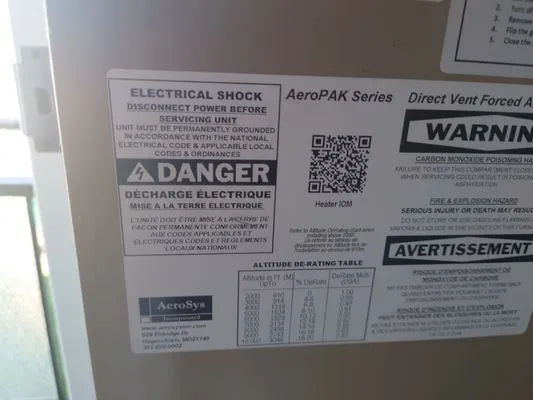
A & A Plumbing and Heating is a locally owned and operated, fully licensed and insured service provider serving Somerville, MA. We focus on delivering reliable plumbing and heating solutions with a co...
Bushi Plumbing and Heating
Bushi Plumbing and Heating is a licensed plumbing and heating specialist serving Revere, MA, and surrounding areas. With expertise in a comprehensive range of services including emergency repairs, pip...
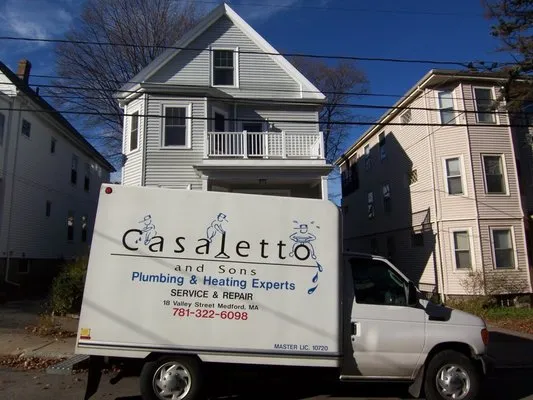
Casaletto and Sons Plumbing & Heating
For four decades, Casaletto and Sons Plumbing & Heating has been a trusted name for Medford homeowners. Founded in 1984 by Joseph Casaletto and now operated by his son, Master Plumber Thomas Casaletto...
Estimated Plumbing Costs in South Boston, MA
Question Answers
What should I do before spring thaw to prevent plumbing problems?
Before temperatures rise above freezing, check all exposed pipes for insulation gaps. South Boston's spring thaw can reveal leaks that developed during freeze cycles. Test your main shutoff valve to ensure it operates smoothly. Clear basement floor drains of winter debris to handle potential thaw water. These steps prevent minor issues from becoming emergencies.
My South Boston home was built around 1948 - should I be worried about the plumbing?
Galvanized steel pipes installed in 1948 are now 78 years old. In South Boston homes from that era, you're likely seeing rust-colored water, reduced water pressure, or frequent leaks. The steel corrodes from the inside out, and at this age, complete pipe failure becomes common. Many homeowners here face full repiping projects to avoid catastrophic failures.
Does Quabbin Reservoir water damage my plumbing fixtures?
Quabbin's water is slightly acidic and corrosive, which accelerates wear on plumbing components. Water heaters experience faster anode rod depletion, requiring more frequent replacement. Fixtures develop scale buildup that reduces flow and efficiency. The corrosion also affects copper connections to older galvanized systems, creating galvanic corrosion points.
As an urban homeowner, what unique plumbing issues should I watch for?
Municipal water pressure fluctuations stress older pipe systems more in urban settings. Tree roots seek moisture in lateral lines, causing blockages and damage. Shared walls in row houses mean one unit's leak can affect multiple properties. Regular pressure checks and root treatment for sewer lines prevent most urban-specific problems. Knowing your lateral's condition helps avoid neighbor disputes.
How does South Boston's coastal terrain affect my main sewer line?
The gentle slope toward the harbor creates drainage challenges for main sewer lines. Soil movement around Castle Island and coastal areas can stress pipe joints, leading to separation or infiltration. During heavy rains, groundwater pressure increases against older lines. Proper grading and regular camera inspections help identify these terrain-related issues before they cause backups.
How quickly can a plumber reach my South Boston home in an emergency?
Heading past Castle Island on I-93 gets us into South Boston neighborhoods within 30-45 minutes. We keep trucks staged for quick response to water emergencies. That route avoids downtown congestion while maintaining access to the peninsula. Most calls see a technician on site within the hour.
What permits and inspections do I need for plumbing work in Boston?
Boston Inspectional Services Department requires permits for most plumbing modifications. As a Master Plumber licensed by the Massachusetts Board of State Examiners of Plumbers and Gasfitters, I handle the red tape so you don't have to. This includes scheduling inspections, providing certified drawings, and ensuring code compliance. Proper documentation protects your investment and maintains property value.
Why do my old pipes keep springing pinhole leaks?
Galvanized steel pipes from 1948 develop pinhole leaks due to internal corrosion and joint calcification. The steel rusts from the inside, creating weak spots that eventually perforate. Mineral deposits at threaded joints also create stress points. These failures typically start in hidden areas like walls or ceilings before becoming visible.
