Top Emergency Plumbers in Princeton, MA, 01517 | Compare & Call

There are 237 plumbing companies server in Princeton MA

United Sewer and Drain has been serving Pawtucket and surrounding Rhode Island communities for over 25 years as a licensed, bonded, and insured drain cleaning specialist. Founded by David Caraman with...
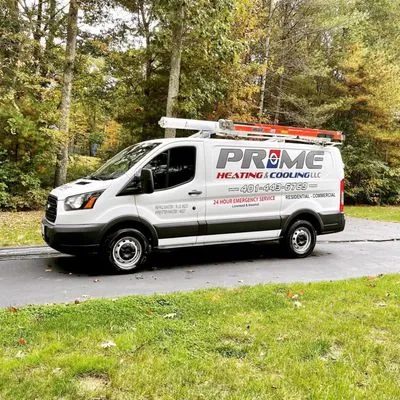
Prime Heating & Cooling
Prime Heating & Cooling has been a trusted fixture in the Smithfield community since 2001. We are a full-service provider dedicated to the comfort and safety of Rhode Island homes. Our skilled and bac...

Cadorette Plumbing & Heating
Cadorette Plumbing & Heating is a family-owned and operated business in North Smithfield, RI, with deep roots in the community. Founded by a plumber who learned the trade working alongside his father,...
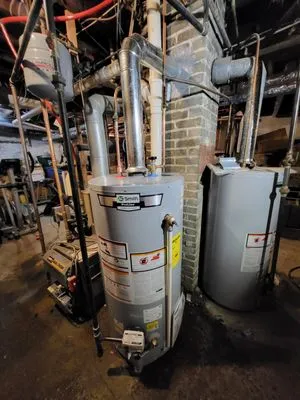
Thermotec PHC is a trusted local plumbing and HVAC company serving Woonsocket, RI, and the surrounding communities. We offer a comprehensive range of services, from emergency repairs to complete syste...
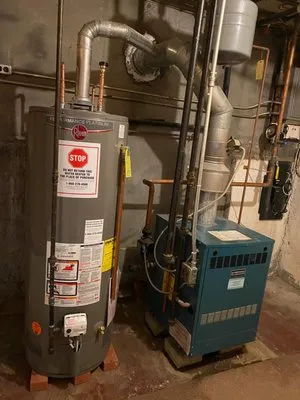
Rami & Sons Plumbing and Heating is a trusted, family-owned plumbing and heating service based in Boston, Massachusetts. Established in 2008, we are a fully licensed, insured, and MBE-certified compan...
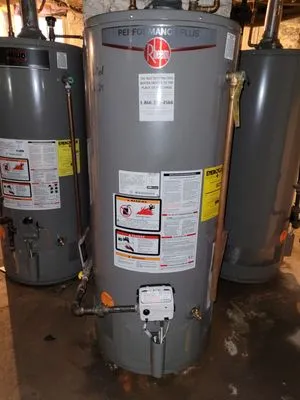
Bay State Heating & Cooling
Bay State Heating & Cooling is a trusted HVAC and plumbing service provider serving Boston, MA, with expertise in both residential heating/cooling systems and comprehensive plumbing solutions. Our tea...
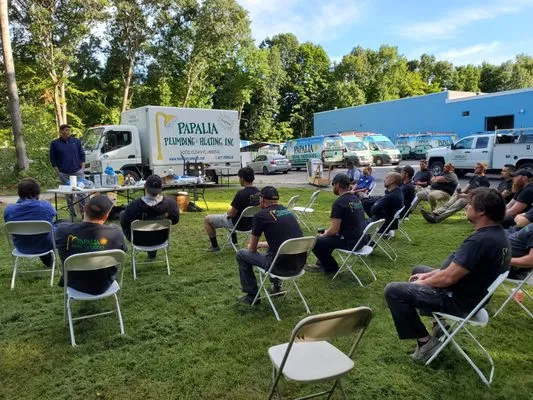
Papalia Home Services
Since 1990, Papalia Home Services has been a trusted name for plumbing, heating, and electrical needs in Boxborough and the surrounding Boston Metro West communities. Founded by master plumber Jim Pap...

Menotomy Plumbing & Heating
Menotomy Plumbing & Heating is a locally owned and operated plumbing service in Arlington, MA, founded by Paul, a licensed plumber with nearly 25 years of hands-on experience. Paul personally handles ...
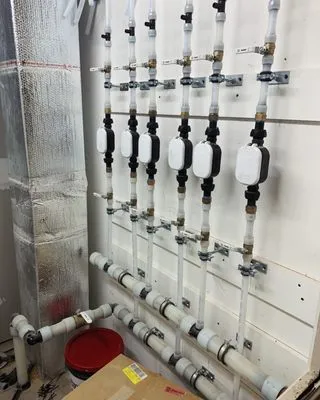
ER Services Plumbing and Heating
ER Services Plumbing and Heating LLC is a licensed and bonded plumbing and heating company serving Lawrence, MA, and surrounding communities. We specialize in both residential and commercial plumbing ...
Malden Plumbing Services, led by Jayden, has been a trusted local name in Boston since 2018. We are dedicated to solving plumbing challenges with a blend of hands-on skill and modern diagnostic techno...
Estimated Plumbing Costs in Princeton, MA
FAQs
What's one thing I should do every spring to avoid a plumbing disaster?
Before the spring thaw peaks, shut off and drain any exterior hose bibs and irrigation lines. The cycle of freezing to 14 degrees and then rapid thawing can split pipes that still hold water. Also, check the ground around your main water line entry for settling; hilly terrain can shift the soil and expose pipes to deeper frost. A few minutes of prevention in early March can save you from a major leak when the ground finally softens.
How quickly can a plumber get to a home in Princeton for an emergency?
From our shop near Mount Wachusett, the dispatch route follows Route 140 directly into town. Heading past the mountain on 140 is the most reliable path, avoiding back roads that can slow you down. A 45 to 60 minute response is standard for most emergencies in the area, accounting for the rural layout and potential weather on the hills.
My Princeton home was built in the late 70s. What kind of plumbing issues should I expect now?
Homes built in 1978 have copper pipes that are now 48 years old. In Princeton Center, we're seeing copper reach its typical lifespan, where years of acidic well water cause pinhole leaks from the inside out. These often appear first as small green stains on drywall or a drop in water pressure. It's a predictable failure point for this generation of houses, and a proactive inspection can map out which sections are most vulnerable before a leak causes damage.
Does living in a rural town like Princeton change my plumbing maintenance needs?
Rural plumbing centers on your private well and septic system, not municipal services. Well pump pressure, septic tank health, and the condition of the long buried lines between them are your responsibility. A failing pressure switch or a full septic tank will stop your home's water flow just as effectively as a main break would in a city. Scheduling regular septic pumping and well system checks is as essential as changing a furnace filter.
What permits do I need for a plumbing repair in Princeton, and who handles that?
Most substantive work requires a permit from the Princeton Building Department. As a Master Plumber licensed by the Massachusetts Board of State Examiners of Plumbers and Gasfitters, I pull those permits, schedule the required inspections, and ensure the work meets all state and local codes. My credential means I handle the red tape so you don't have to navigate the regulatory process yourself, which is particularly important for well and septic-related projects.
Does having a private well in Princeton affect my plumbing fixtures?
Yes, private wells here typically draw acidic and corrosive water. This water aggressively attacks the inner lining of water heaters and the brass components inside faucets and valves. Without treatment, you'll see premature failure of water heater tanks and frequent leaks around fixture supply lines. Installing a whole-house acid neutralizer or using dielectric unions at connections are common, necessary upgrades to protect your hardware.
Why do my copper pipes keep springing pinhole leaks?
Copper installed in 1978 is susceptible to pinhole leaks due to a combination of age and the corrosive water common from private wells. Over decades, the water's low pH and mineral content gradually thin the pipe wall from the inside. The failure often starts at solder joints or where pipes rub against framing, creating a weak spot that finally perforates. This isn't a defect in your specific pipes, but a systemic issue for homes of this era in our area.
Can the hilly land around Mount Wachusett cause plumbing problems?
The slope of the land places constant, uneven stress on the main water line running from your well to the house. Over years, this can cause the pipe to flex at fittings or develop leaks. Drainage is also a factor; during heavy rain or thaw, water runoff can follow the hill's grade and saturate the soil around your foundation, increasing hydrostatic pressure on basement drains and sewer lines. Proper grading and secure pipe bedding are critical.
