Top Emergency Plumbers in Lancaster, MA, 01453 | Compare & Call

There are 239 plumbing companies server in Lancaster MA

Cadorette Plumbing & Heating
Cadorette Plumbing & Heating is a family-owned and operated business in North Smithfield, RI, with deep roots in the community. Founded by a plumber who learned the trade working alongside his father,...
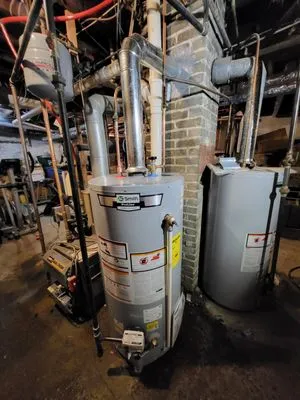
Thermotec PHC is a trusted local plumbing and HVAC company serving Woonsocket, RI, and the surrounding communities. We offer a comprehensive range of services, from emergency repairs to complete syste...

John's Sewer & Drain Cleaning has been a trusted plumbing service provider in Woburn, MA, and the Greater Boston area since 1976. As a locally owned and operated business under President Larry Gillis,...
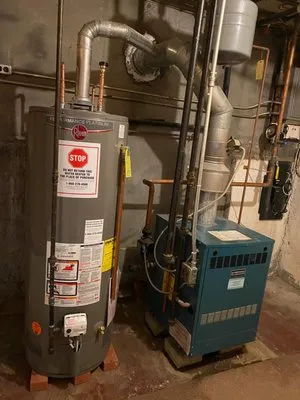
Rami & Sons Plumbing and Heating is a trusted, family-owned plumbing and heating service based in Boston, Massachusetts. Established in 2008, we are a fully licensed, insured, and MBE-certified compan...
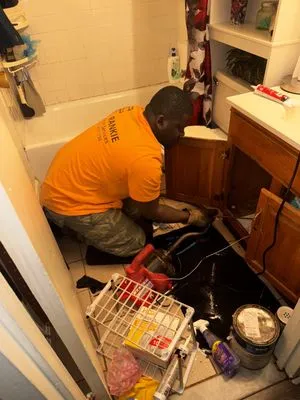
Frankie Drain Services
Frankie Drain Services is your trusted local plumbing expert serving Mattapan, MA. We specialize in comprehensive plumbing solutions, from bathtub and drain services to water heater installations and ...
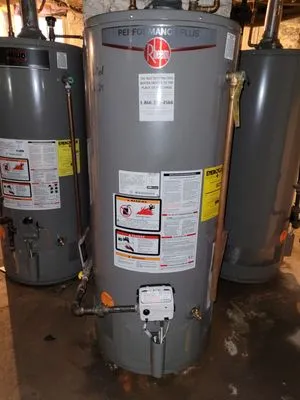
Bay State Heating & Cooling
Bay State Heating & Cooling is a trusted HVAC and plumbing service provider serving Boston, MA, with expertise in both residential heating/cooling systems and comprehensive plumbing solutions. Our tea...
East Coast Boilers
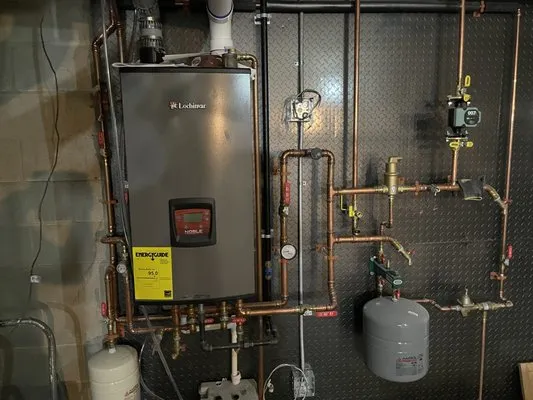
East Coast Boilers is a trusted, full-service plumbing and HVAC contractor serving Boston homeowners. We specialize in resolving the city's most common and disruptive plumbing issues, including sewer ...
Papalia Home Services
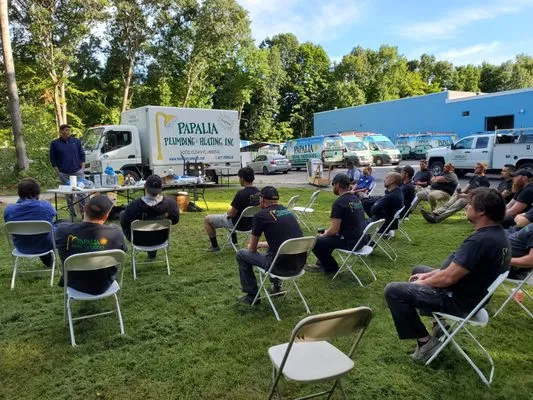
Since 1990, Papalia Home Services has been a trusted name for plumbing, heating, and electrical needs in Boxborough and the surrounding Boston Metro West communities. Founded by master plumber Jim Pap...

Menotomy Plumbing & Heating
Menotomy Plumbing & Heating is a locally owned and operated plumbing service in Arlington, MA, founded by Paul, a licensed plumber with nearly 25 years of hands-on experience. Paul personally handles ...
ER Services Plumbing and Heating
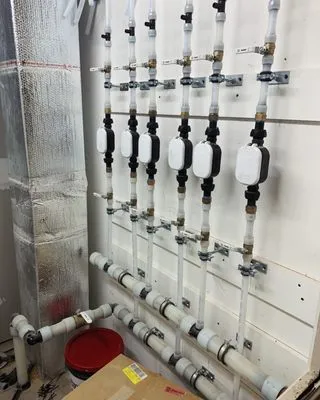
ER Services Plumbing and Heating LLC is a licensed and bonded plumbing and heating company serving Lawrence, MA, and surrounding communities. We specialize in both residential and commercial plumbing ...
Estimated Plumbing Costs in Lancaster, MA
FAQs
As a rural Lancaster homeowner, what unique plumbing concerns should I watch for?
Rural properties here typically rely on wells and septic systems rather than municipal services. Well pumps and pressure tanks need regular maintenance, especially with corrosive water conditions. Septic systems require careful monitoring of water usage and proper waste disposal to avoid backups. These systems operate independently, so understanding their components helps prevent costly emergencies.
What permits or regulations apply to plumbing work in Lancaster?
The Lancaster Building Department requires permits for most plumbing installations and replacements. As a Master Plumber licensed by the Massachusetts Board of State Examiners of Plumbers and Gasfitters, I handle all necessary paperwork and inspections. This ensures work meets state and local codes, so homeowners don't need to navigate the red tape themselves.
Does Lancaster's water affect my plumbing fixtures?
Water sourced from the Nashua River tends to be acidic and corrosive. This accelerates wear on water heater elements and causes premature failure of faucet cartridges. You might notice blue-green staining on porcelain fixtures from copper corrosion in the system. Installing a whole-house neutralizer can mitigate these effects and extend appliance life.
Could Lancaster's hilly terrain be causing my drainage issues?
The slope around areas like Thayer Memorial Library creates natural drainage challenges. Downhill properties often experience increased hydrostatic pressure on main sewer lines, while uphill homes might have slow drainage due to gravity limitations. Soil erosion on slopes can expose or stress buried pipes, requiring proper grading and occasional camera inspections to assess line integrity.
What should I do before spring thaw to avoid plumbing problems?
With winter lows around 15°F, pipes in unheated spaces remain vulnerable. Before spring thaw peaks, disconnect garden hoses and shut off exterior faucets from inside. Insulate pipes in basements and crawlspaces, as rapid temperature swings during thaw can cause previously frozen sections to fail. Checking for leaks after the ground fully thaws helps catch issues early.
How quickly can a plumber reach my house in Lancaster?
Heading past Thayer Memorial Library on Route 2, our dispatch route covers most of Lancaster efficiently. We maintain a 45-60 minute response window for emergencies, accounting for traffic and the town's layout. This timing ensures we can address urgent issues like burst pipes or major leaks without unnecessary delay.
Why do my pipes keep springing small leaks?
Galvanized steel from the 1950s develops pinhole leaks as corrosion progresses from both inside and outside. Joint calcification also occurs where fittings accumulate mineral deposits, creating weak points. These failures often start in hidden areas like crawlspaces or behind walls, so early detection through water stains or damp spots is crucial.
My Lancaster home was built around 1956—what should I expect from my plumbing now?
Galvanized steel pipes installed in 1956 are now 70 years old. Homeowners in Lancaster Center often notice reduced water pressure as mineral deposits accumulate inside the pipes. You might see rust-colored water when taps are first turned on, especially after periods of non-use. This is the typical lifespan for galvanized systems, and proactive replacement can prevent sudden failures.
