Top Emergency Plumbers in Adams, MA, 01220 | Compare & Call

There are 29 plumbing companies server in Adams MA

David P. Garrity Plumbing & Heating
David P. Garrity Plumbing & Heating is a family-owned and operated business serving East Greenbush and the surrounding Greenbush area for decades. We provide professional plumbing, heating, and HVAC s...
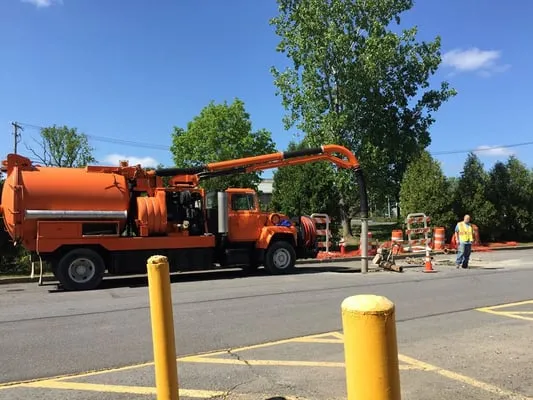
Plumbing Today has been serving Latham and the greater Albany area since 1999, providing reliable plumbing solutions for homes and businesses. Our team of licensed, bonded, and insured plumbers handle...

Trinity Plumbing & Drain Cleaning
Trinity Plumbing & Drain Cleaning is a licensed plumbing and HVAC service provider serving Albany, NY and the surrounding Capital Region. We specialize in both residential and commercial plumbing, dra...
Claverack Pump Service
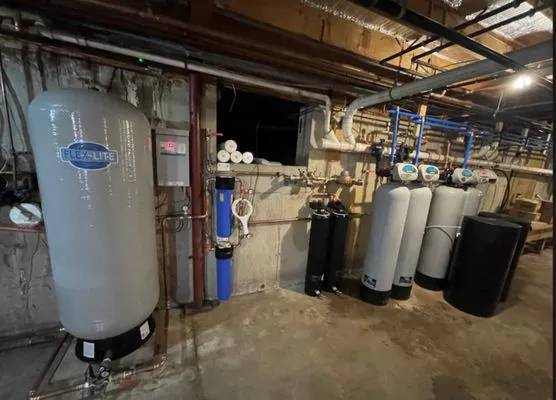
For over 75 years and four generations, Claverack Pump Service has been Hillsdale's trusted partner for reliable water solutions. As a licensed and bonded local business, we specialize in well drillin...

Dan's Heating & Cooling is a Valatie-based family business built on over 47 years of combined hands-on experience. We genuinely enjoy our work and are committed to quality, professional results on eve...

Green River Plumbing & Heating is a trusted local plumbing service based in Colrain, MA, serving homeowners throughout the area. We specialize in a comprehensive range of plumbing and heating solution...
Charles Garrity Plumbing and Heating
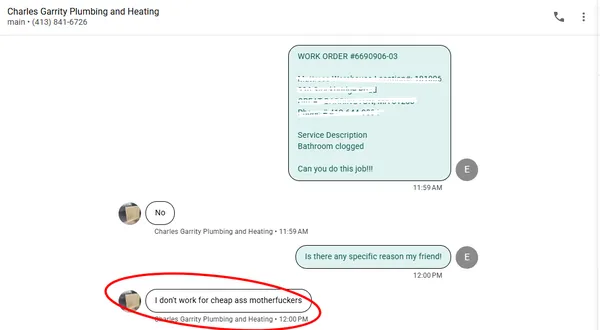
Charles Garrity Plumbing and Heating has been serving Springfield, MA, for over 22 years, bringing deep expertise as a master plumber, master sheetmetal worker, oil burner technician, and licensed hea...
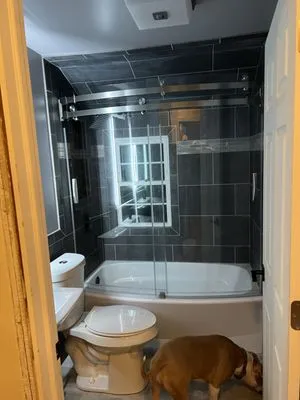
Mass Property Specialist is a trusted residential property maintenance company serving South Hadley, MA, and surrounding areas. We specialize in comprehensive plumbing services including drain install...

Drain Scope Solutions is a trusted plumbing service provider in Agawam, MA, specializing in comprehensive solutions for residential and commercial plumbing needs. With expertise in over 25 services in...
Grogan Plumbing & Heating
Grogan Plumbing & Heating has been serving Orange, MA, and the surrounding area, providing reliable solutions for common local plumbing and heating challenges. Many homeowners face issues like sedimen...
Estimated Plumbing Costs in Adams, MA
Common Questions
Does the local water from Mount Greylock wear out water heaters faster?
Yes, it can. Water from the Mount Greylock watershed is naturally soft but tends to be slightly acidic and corrosive. This low pH water aggressively attacks the anode rod in your water heater, consuming it faster than in neutral water areas. Once that sacrificial rod is gone, the corrosive water will begin eating at the tank's glass lining and steel, leading to premature failure and rusty water.
Could the hilly land around here be causing my slow drains?
The slope of the land around Mount Greylock absolutely affects drainage. If your home is situated on a significant grade, the main sewer line exiting your basement may have improper pitch. A line that's too flat will not carry waste effectively, while one that's too steep can cause water to outrun solids, leaving debris behind. Hilly terrain also shifts soil, which can stress and misalign pipe joints over time.
Why do my old galvanized pipes keep springing leaks at the joints?
Galvanized steel pipes installed around 1938 corrode from the inside. Joints are a common failure point because the threaded connections have thinner walls and are more vulnerable. As the pipe interior rusts, it expands, creating immense stress that can crack the fitting or cause a pinhole leak right at the seam. This joint calcification is a hallmark of end-stage galvanized pipe failure.
What's the most important thing to do with my plumbing before winter in Adams?
Before temperatures consistently hit 12 degrees, shut off and drain any exterior hose bibs from inside the house. Leaving a garden hose connected traps water in the bib, which will freeze and split the pipe inside your wall. This is a critical pro-tip for our snow belt; a simple five-minute task in the fall prevents a costly water damage repair during a spring thaw.
Do I need a permit from the town to replace my water heater?
Yes, the Adams Building Department requires a permit for water heater replacement, as it involves gas, electrical, and pressure piping work. As a Master Plumber licensed by the Massachusetts Board of State Examiners of Plumbers and Gasfitters, I pull the permit, schedule the required inspections, and ensure the installation meets all current state and local codes. I handle the red tape so you don't have to.
My pipes are making a racket and the water pressure is low. What's happening to my plumbing?
Homes built in the 1930s in Adams are now dealing with pipes that are nearly 90 years old. Galvanized steel, the standard for that era, has a functional lifespan of 40-60 years. What you're experiencing now is advanced internal corrosion, where decades of mineral scale and rust have narrowed the pipe bore to a pinhole, explaining the pressure drop and metallic groaning sounds. This isn't a simple clog; it's the material failing from the inside out.
If I have a burst pipe, how fast can a plumber get to my house in Adams?
Our dispatch route starts from the base of Mount Greylock, taking Route 8 directly into the heart of town. Heading past Mount Greylock on Route 8 gets us into Downtown Adams and the surrounding neighborhoods. Accounting for our vehicle prep and traffic conditions, we can typically have a truck on site to manage the emergency within 45 to 60 minutes of your call.
As a homeowner with a well and septic system, what should I watch for?
Monitor your well pump's cycle frequency. Short-cycling can indicate a failing pressure tank or a leak in the underground line. For your septic system, be vigilant about slow drains in the lowest fixtures of your home, like a basement shower, which often signals a full tank or a failing leach field. In our rural setting, these systems work in tandem, and a problem with one can sometimes manifest as an issue with the other.
