Top Emergency Plumbers in Reserve, LA, 70068 | Compare & Call

There are 86 plumbing companies server in Reserve LA
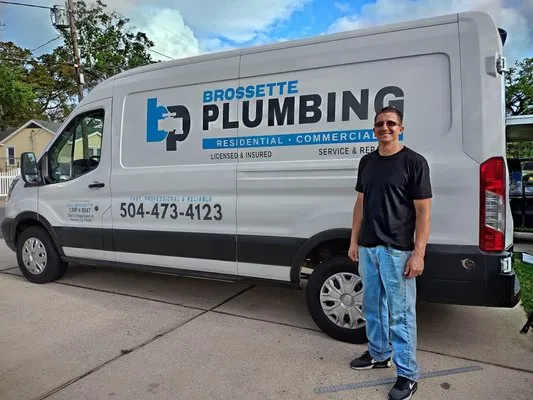
Brossette Plumbing is a licensed plumbing and natural gas service provider serving Harvey, LA and surrounding communities. We offer comprehensive plumbing solutions for both residential and commercial...

Acadian Plumbing has been a trusted plumbing service for the New Orleans Metropolitan Area since 1979. Our mission is to minimize disruption for our customers by applying decades of hands-on experienc...
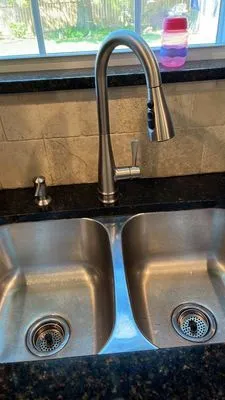
Cory Valentour, the owner of NOLA Flow Plumbing in Chalmette, is a true people person who finds joy in meeting new clients every day. With 16 years of experience in residential and commercial plumbing...
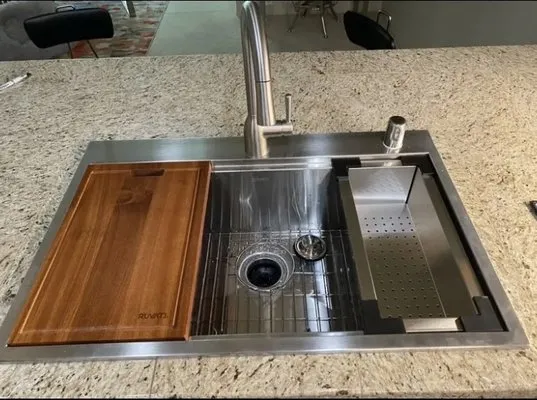
24/7 Plumbing & Drain Cleaning in New Orleans, LA, is a locally owned and operated plumbing service with deep roots in the community. With over 30 years of hands-on experience, our journey began in Oa...
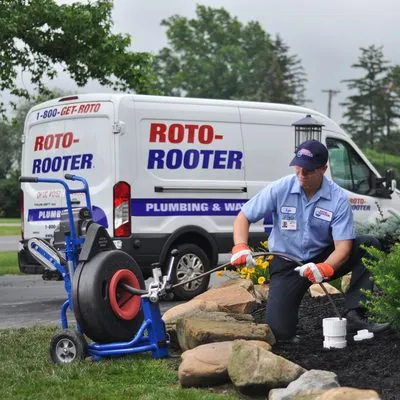
Roto-Rooter Plumbing & Water Cleanup
Roto-Rooter Plumbing & Water Cleanup is a trusted local plumbing service in New Orleans, LA, offering comprehensive solutions for residential and commercial needs. Our team of dependable, fast, and fr...
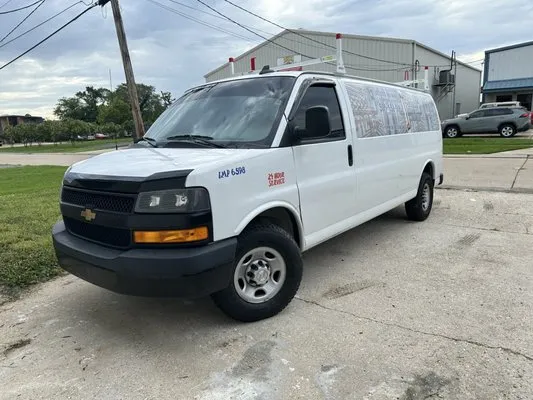
I Do Plumbing is your trusted local plumbing expert serving Metairie, LA, and surrounding areas. We specialize in comprehensive plumbing solutions, from bathtub and drain services to gas line installa...
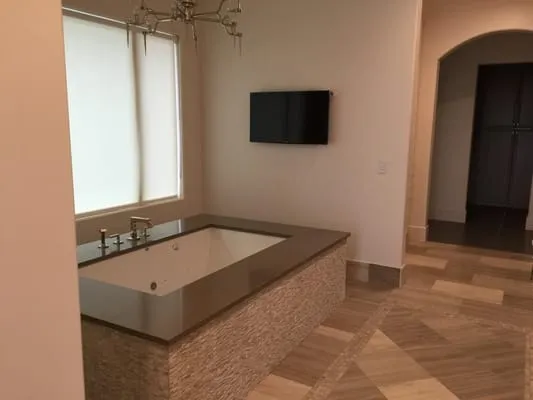
Magee & Sons
Magee & Sons Master Plumbing & Heating Contractor, LLC was founded by Calvin Magee, a master licensed plumber with over three decades of hands-on experience. Serving the New Orleans Metro area, this f...
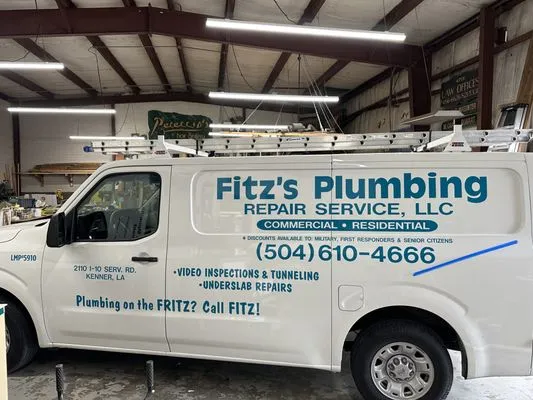
Fitz's Plumbing Repair Service
Fitz's Plumbing Repair Service is a veteran-owned, family-run business proudly serving Kenner and the greater New Orleans area since 2013. Founded by a husband-and-wife team with over 15 years of plum...
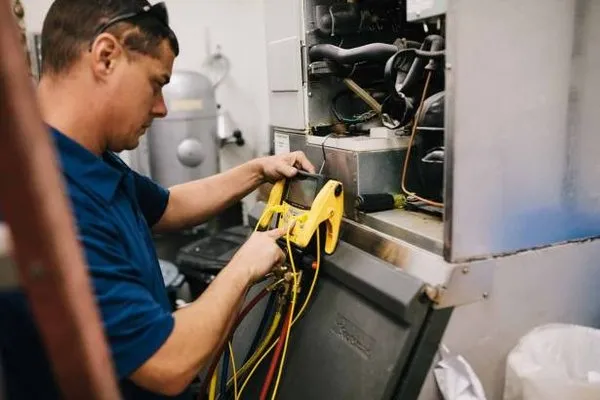
AccuTemp Services
AccuTemp Services is a trusted home services provider in Baton Rouge, LA, with over 15 years of experience serving South Louisiana. Founded on family values and a commitment to community, the company ...
Advanced Drainage Repair (ADR) in Kenner, LA, specializes in comprehensive drain and plumbing solutions, focusing on trenchless rehabilitation methods like CIPP drain lining to restore infrastructure ...
Estimated Plumbing Costs in Reserve, LA
Questions and Answers
How fast can a plumber get to my house in Reserve during an emergency?
My typical dispatch route from the Reserve area heads past the 1811 Kid Ory Historic House to access I-10. That interstate corridor provides the fastest connection across the parish. For most calls in Reserve or Reserve Heights, I can be on-site in 30 to 45 minutes from the time you call. Having that main arterial nearby is a significant advantage for emergency response times compared to more rural parts of the parish.
Do I need a permit to replace my water heater or re-pipe my house?
Yes, most major plumbing work in St. John the Baptist Parish requires a permit from Planning and Zoning. As a master plumber licensed by the Louisiana State Licensing Board for Contractors, I handle all that red tape for you. This includes pulling the permit, scheduling required inspections, and ensuring the work meets all current code standards. It protects your investment and ensures the work is documented correctly for future home sales or insurance purposes.
What should I do to prepare my plumbing for hurricane season?
The two main threats are power outages and storm surge. Before a storm, fill your bathtub with water for sanitary use if the pump station loses power. Know where your main water shut-off valve is in case you need to stop flooding from a broken pipe. A pro-tip for our tropical climate: insulate any exposed pipes in unair-conditioned spaces, like attics or crawlspaces. While our lows rarely hit 42°F, a sustained power outage after a storm can create unexpected freeze risks for those lines.
Why does my yard in Reserve always seem to drain poorly or stay soggy?
Our low-lying terrain, evident around landmarks like the Kid Ory house, has very flat topography and dense soil. This natural drainage pattern means water moves slowly. It also puts constant, subtle stress on the main sewer line running from your house to the street. Over time, that slight, consistent pressure can lead to bellies or sags in the line where debris collects. Proper grading away from your foundation and routine drain line inspections can mitigate these issues.
What's the most common plumbing repair for older homes in Reserve?
The most frequent issue I see in homes with original 1977 copper is joint failure. Over nearly five decades, the solder at the joints can degrade or calcify, losing its seal. This differs from a pinhole leak in the middle of a pipe run. You'll often see moisture or green corrosion around the joint itself first. Repairs usually involve cutting out the failed section and installing a new coupling, which is a straightforward fix if caught early.
As a suburban homeowner, what are my responsibilities for the sewer line?
In Reserve's suburban setting, you are responsible for the lateral line from your house to the connection with the municipal sewer main, usually located in the street or easement. The most common problem here is root intrusion from mature trees seeking moisture. Roots can infiltrate even small cracks in older clay or PVC pipes, causing slow drains or complete blockages. An annual camera inspection of your lateral can identify root growth before it becomes a sewage backup into your home.
Our house was built in the 70s like most of Reserve Heights. Should I be worried about my plumbing?
Copper piping installed around 1977 is now 49 years old. Homeowners in Reserve Heights are starting to see a specific failure pattern: pinhole leaks. This occurs when the interior pipe wall thins from decades of water flow and mineral interaction. It's not a question of if, but when these small leaks will appear, often behind walls or under slabs, leading to water damage. Proactive inspection of visible plumbing, especially near water heaters and under sinks, can help you spot early signs before a major failure happens.
Does our water from the Mississippi River ruin appliances?
Water drawn from the Mississippi is very hard, meaning it has high mineral content. This leads to scale buildup inside appliances and fixtures over time. Your water heater is particularly vulnerable; sediment and scale accumulate at the bottom, reducing efficiency and eventually causing premature failure. I recommend flushing your water heater annually to remove this sediment. For fixtures, you'll notice reduced flow from showerheads and faucet aerators, which need regular cleaning or replacement.
