Top Emergency Plumbers in New Sarpy, LA, 70078 | Compare & Call

There are 66 plumbing companies server in New Sarpy LA
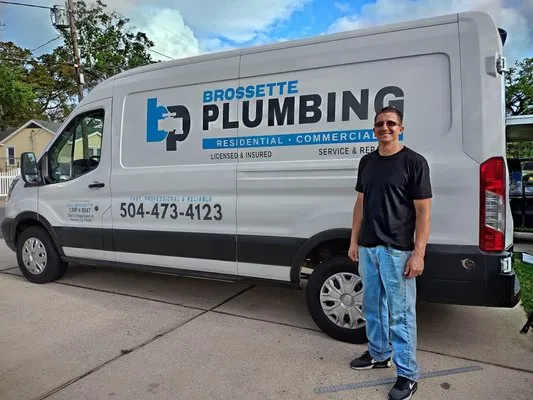
Brossette Plumbing is a licensed plumbing and natural gas service provider serving Harvey, LA and surrounding communities. We offer comprehensive plumbing solutions for both residential and commercial...
Acadian Plumbing has been a trusted plumbing service for the New Orleans Metropolitan Area since 1979. Our mission is to minimize disruption for our customers by applying decades of hands-on experienc...
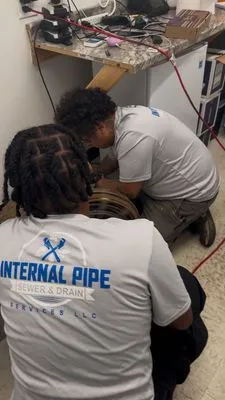
Internal Pipe Sewer & Drain Services is a licensed and bonded plumbing company serving Metairie, LA, with 24/7 emergency availability for both residential and commercial properties. We specialize in d...
Cory Valentour, the owner of NOLA Flow Plumbing in Chalmette, is a true people person who finds joy in meeting new clients every day. With 16 years of experience in residential and commercial plumbing...
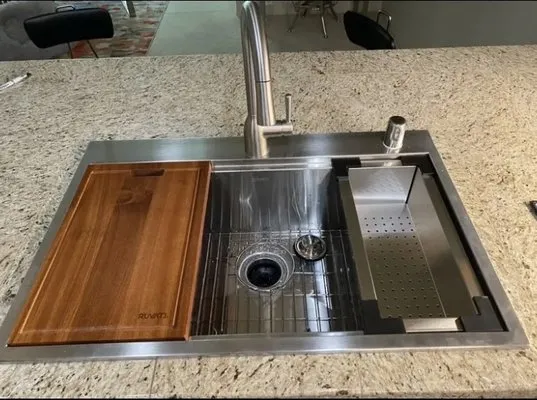
24/7 Plumbing & Drain Cleaning in New Orleans, LA, is a locally owned and operated plumbing service with deep roots in the community. With over 30 years of hands-on experience, our journey began in Oa...
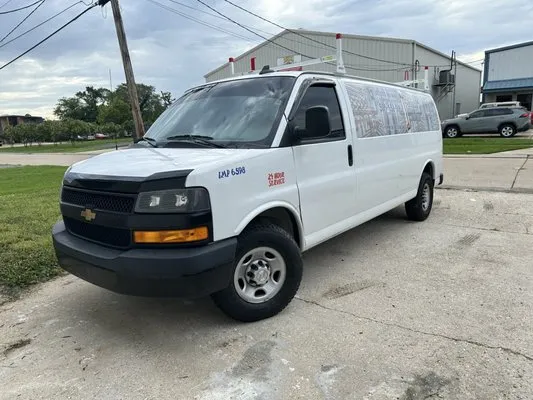
I Do Plumbing is your trusted local plumbing expert serving Metairie, LA, and surrounding areas. We specialize in comprehensive plumbing solutions, from bathtub and drain services to gas line installa...
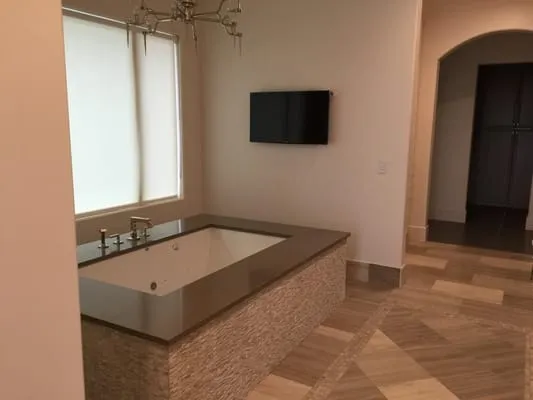
Magee & Sons
Magee & Sons Master Plumbing & Heating Contractor, LLC was founded by Calvin Magee, a master licensed plumber with over three decades of hands-on experience. Serving the New Orleans Metro area, this f...
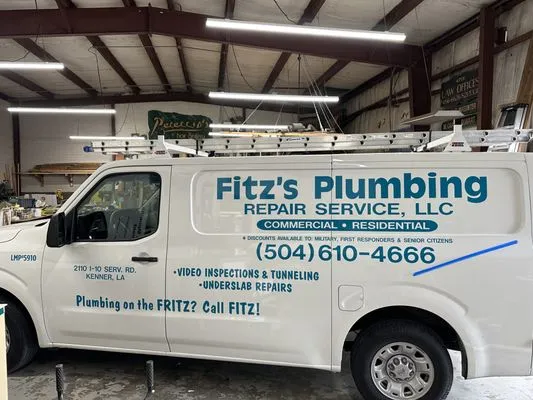
Fitz's Plumbing Repair Service
Fitz's Plumbing Repair Service is a veteran-owned, family-run business proudly serving Kenner and the greater New Orleans area since 2013. Founded by a husband-and-wife team with over 15 years of plum...
AccuTemp Services
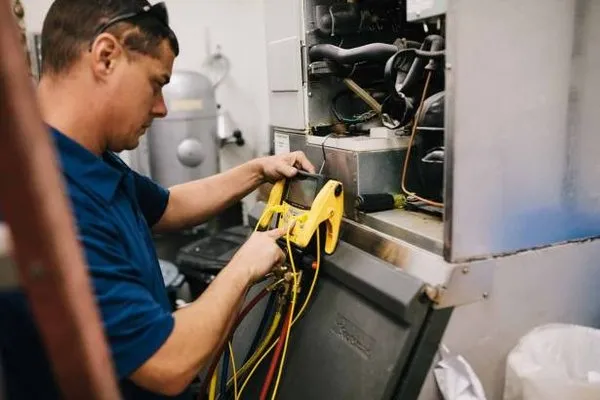
AccuTemp Services is a trusted home services provider in Baton Rouge, LA, with over 15 years of experience serving South Louisiana. Founded on family values and a commitment to community, the company ...

Diaz Plumbing is a licensed plumbing service with over 20 years of experience serving the Metro New Orleans area, including Kenner. As a Master Plumber certified in Master Natural Gas, Backflow Preven...
Estimated Plumbing Costs in New Sarpy, LA
Common Questions
Why does my yard drain so poorly and back up during heavy rain?
New Sarpy's low-lying terrain, especially near the spillway, means the water table is often high. This puts constant hydrostatic pressure on your home's main sewer line. Over time, this can cause the pipe to shift, settle, or develop cracks at the joints. During a heavy rain, groundwater can infiltrate these cracks, overwhelming the line and causing slow drainage or backups.
What permits are needed for a water heater replacement in St. Charles Parish?
St. Charles Parish requires a permit for any water heater replacement, which includes an inspection of the new installation's pressure relief valve, expansion tank, and proper drainage. As a Master Plumber licensed by the Louisiana State Plumbing Board, I pull these permits and schedule the inspection directly with the Department of Planning and Zoning. You won't need to navigate that process yourself.
Why is my water pressure so low and the water brown in my New Sarpy Estates home?
Your home was likely built around 1958 with galvanized steel piping. That makes those pipes about 68 years old now. At this age, the interior of the pipes is severely corroded and narrowed by rust and mineral scale. This restricts water flow, causing the low pressure you're experiencing, and the brown color is rust sediment breaking loose from the pipe walls.
How fast can a plumber get to New Sarpy in an emergency?
For a major leak or sewer backup, my standard dispatch route from Norco heads past the Bonnet Carré Spillway on I-310. Traffic permitting, I can typically be on-site in New Sarpy Estates within 45 to 60 minutes. I prioritize calls where water needs to be shut off immediately to prevent structural damage.
What should I do to my plumbing before hurricane season peaks?
Before the season intensifies, install a full-port main water shutoff valve if you don't have one. This allows you to completely isolate your home's plumbing from the municipal supply to prevent contamination if pressure drops. Also, drain and bypass your water softener; a power outage can leave brine in the tank, damaging the resin bed. These are specific, proactive steps for our tropical climate.
Does Mississippi River water damage my plumbing appliances?
The river provides our municipal water, which is very hard with dissolved minerals. This causes heavy scale buildup inside appliances. A water heater's heating elements can become coated, reducing efficiency and leading to premature failure. You'll also see scale crust on showerheads and faucet aerators, which restricts flow.
What causes those sudden pinhole leaks in my walls or ceiling?
Galvanized steel pipes from the late 1950s fail in predictable ways. The zinc coating that protects the steel wears away over decades, leaving the underlying iron exposed. In our humid climate, this leads to accelerated corrosion that eats through the pipe wall from the inside out, creating weak spots that eventually rupture as pinhole leaks.
Is my septic system or well affected by the local soil conditions?
The clay-rich, low-lying soils common here retain water. For septic systems, this can lead to a saturated drain field, causing backups into the home. For properties with wells, surface water contamination is a greater risk. Regular septic pumping and ensuring your well cap is properly sealed are critical maintenance items in this rural setting.
