Top Emergency Plumbers in Jeanerette, LA, 70544 | Compare & Call

There are 36 plumbing companies server in Jeanerette LA
Michael B Plumbing
Michael B Plumbing LLC was founded by Michael B, a master plumber whose career started as a labor hand. Since 2016, his hands-on experience has shaped a residential and commercial plumbing service foc...

A 5 Star Plumbing is a trusted, family-owned Lafayette plumbing company serving Acadiana since 2005. We provide a full spectrum of reliable plumbing services for your home, from routine maintenance an...

Anytime Plumbing Repair is a locally-owned plumbing service in Duson, LA, with over 20 years of experience. Founded by a plumber who started right out of high school and has worked for other companies...
Next Plumbing
Next Plumbing is your trusted local plumbing partner in Lafayette, LA, and throughout Acadiana. We believe in making plumbing services straightforward and reliable for every home and business. Our app...
Hargrave's Plumbing
Hargrave's Plumbing is a family-owned plumbing service based in Lafayette, LA, with deep roots in the Acadiana community. Founded in 2006 by Travis and Bridget Hargrave, the business builds on over 50...

CJ's Plumbing Repair has been serving Lafayette and Acadiana since 1994, founded by CJ after family and friends recognized his potential for running a successful business. Starting with no prior busin...

Fromenthal Plumbing has been the trusted plumbing service in Morgan City, LA, and surrounding communities like Bayou Vista, Patterson, and Amelia for over 35 years. We specialize in comprehensive plum...
Divine Anglez is a locally owned and operated home renovations company serving the Greater Lafayette area with over 30 years of collective experience. We specialize in comprehensive home improvement s...
A&J Services LLC in Abbeville, LA, is a locally owned and operated business dedicated to providing reliable plumbing and cleaning solutions for homes in Vermilion Parish. With expertise in everything ...

Legacy Homes is a Carencro-based home improvement contractor serving Acadiana with a comprehensive range of services, from appliance repair to full home construction. We specialize in transforming exi...
Estimated Plumbing Costs in Jeanerette, LA
Questions and Answers
What permits are needed for a water heater replacement in Iberia Parish?
The Iberia Parish Permit Office requires a permit for a water heater replacement, which includes an inspection to ensure proper pressure relief valve installation, strapping for seismic safety, and correct venting. As a master plumber licensed by the Louisiana State Plumbing Board, I pull all necessary permits and schedule the inspections. My license number is on the paperwork, and I handle the red tape so you don't have to navigate the process yourself.
What's one thing I should do to my plumbing before hurricane season peaks?
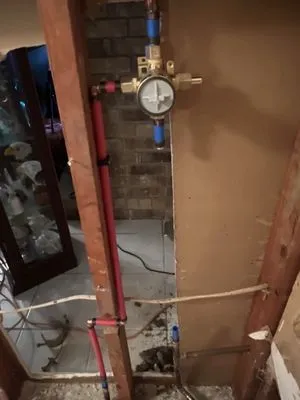
Install a main water shut-off valve that is easily accessible and clearly labeled. When a storm warning is issued, the first thing you should do is turn off the water at the street or at this main valve. This prevents catastrophic flooding if a pipe bursts while you're evacuated. Given our tropical climate and the potential for power outages, this simple step protects your home from thousands of dollars in water damage.
How quickly can a plumber get to my house in Jeanerette during an emergency?
My typical dispatch route has me heading past the Jeanerette Museum on US-90 to reach most parts of town. Barring traffic or a major storm on the bayou, I can usually be on site in 45 to 60 minutes from the initial call. For true emergencies, like a broken main line flooding a crawl space, I prioritize that route to minimize water damage to your home's foundation.
Why do I keep getting pinhole leaks in my home's plumbing?
For a house plumbed with galvanized steel around 1968, pinhole leaks are the signature failure. Decades of hard water scaling and internal corrosion create weak spots. The pipe corrodes from the inside out, finally wearing through at a specific point. These leaks often start at threaded joints or where the pipe makes contact with a joist, as the constant stress accelerates the corrosion process.
Does the hard water from Bayou Teche affect my home's plumbing fixtures?
Yes, the mineral content in our hard water leads to significant scale buildup. You'll see it as white crust on showerheads, but the real damage is inside your water heater and at valve seats. Scale acts as an insulator in the water heater tank, forcing it to work harder and fail sooner. In faucets, it grinds away at rubber washers and ceramic discs, causing drips long before the fixture itself is worn out.
Our Jeanerette home was built in the late 1960s. What should I be watching for with my pipes?
Your galvanized steel supply lines are now 58 years old. In the Main Street Historic District, we're consistently finding these pipes in their terminal phase. The zinc coating has worn away, leaving the underlying iron to rust from the inside. This creates a double problem: restricted water flow from buildup and sudden leaks where the pipe wall has thinned to nothing. It's not a question of if, but when a major section will fail.
As a more rural area, are there special plumbing considerations for Jeanerette homes?
Many homes outside the immediate town center still operate on private well and septic systems. This means water pressure is controlled by a pump and pressure tank, which require different maintenance than a city connection. For septic, being mindful of what goes down the drain is essential, as a failed drain field in our dense, wet soil is a major repair. I always check the health of both systems during any major service call.
My yard near the Jeanerette Museum floods easily. How does this impact my sewer line?
The flat, low-lying soil has poor drainage, so water saturates the ground for long periods. This saturated soil can shift and settle, putting lateral stress on buried PVC or outright crushing old clay tile lines. It also means any crack or failed joint in your sewer pipe will not just leak, but will actively pull surrounding silt and mud into the line, accelerating the blockage. Proper grading and a secured, modern pipe material are critical here.
