Top Emergency Plumbers in Bourg, LA, 70343 | Compare & Call

There are 39 plumbing companies server in Bourg LA
24/7 Plumbing & Drain Cleaning in New Orleans, LA, is a locally owned and operated plumbing service with deep roots in the community. With over 30 years of hands-on experience, our journey began in Oa...
Advanced Drainage Repair (ADR) in Kenner, LA, specializes in comprehensive drain and plumbing solutions, focusing on trenchless rehabilitation methods like CIPP drain lining to restore infrastructure ...
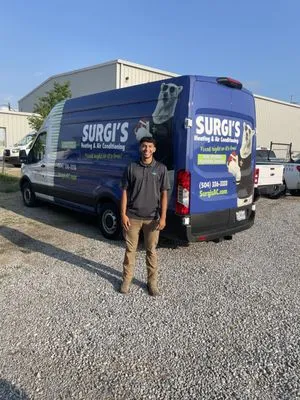
Surgi's Heating, Cooling & Plumbing
Surgi's Heating, Cooling & Plumbing has been a trusted name in Metairie and the greater New Orleans area since its founding in 1964. The company was built on a legacy of new construction excellence, p...
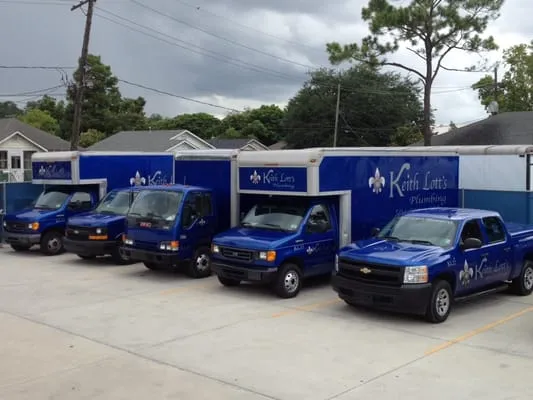
Keith Lott's Plumbing brings over 35 years of combined local experience to every home and business in New Orleans and the surrounding communities. Keith, a licensed master plumber with deep roots in L...

Prime Solutions
Prime Solutions, LLC is a trusted, locally-owned plumbing and electrical service provider serving Metairie and Jefferson Parish. We focus on providing reliable solutions for homeowners, from routine m...
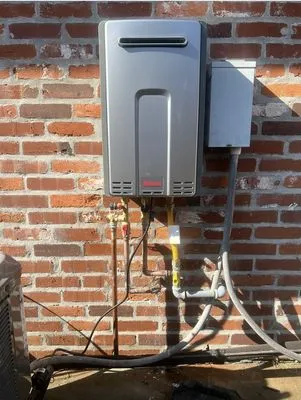
Pellegrins Plumbing is a trusted local plumbing service in Houma, LA, specializing in comprehensive solutions for residential plumbing needs. We offer expert services including bathtub and shower inst...

Doug's Service Company
Doug's Service Company is a family-owned and operated business that has been a trusted name in Houma, Thibodaux, and surrounding South Louisiana communities since 1988. Founded by Douglas Tauzin, the ...
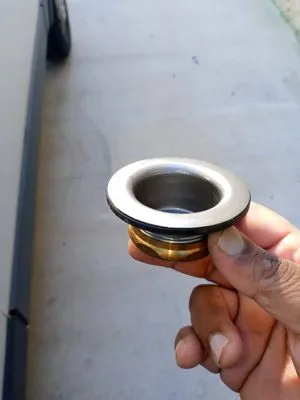
D3 Drain Cleaning is a trusted plumbing contractor serving Harvey, Louisiana, with over a decade of hands-on experience. Specializing in comprehensive drain and plumbing solutions, we handle everythin...
Gifted Touch Improvements & Repair
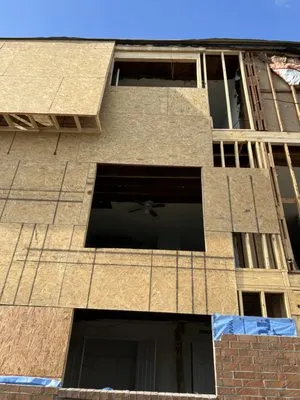
Gifted Touch Improvements & Repair is a full-service home improvement and construction company serving New Orleans, LA. We specialize in comprehensive remodeling, additions, and expert plumbing servic...
LeBlanc Plumbing and Sewage is a trusted, locally owned and operated plumbing company serving Lockport, LA, and the surrounding communities. With over 20 years of combined experience, our team is equi...
Estimated Plumbing Costs in Bourg, LA
Questions and Answers
What should I do to prepare my plumbing for hurricane season in this tropical climate?
With temperatures rarely dropping below 43°F and hurricane season bringing heavy rains, install backflow preventers on all exterior faucets and main lines. Secure outdoor pipes against flying debris, and consider adding a whole-house water shutoff valve in an accessible location. Before storms, drain your water heater slightly to relieve pressure if you lose power. These measures prevent contamination and damage during tropical weather events common to our area.
How quickly can a plumber reach my home in Bourg?
Heading past Bayou Terrebonne on LA-24, I can typically reach most Bourg addresses within 45-60 minutes from dispatch. The route follows LA-24 through the community, with Bayou Terrebonne serving as a central landmark for navigation. Response time depends on traffic conditions and specific location within Bourg, but this routing allows efficient service throughout the area.
As a rural Bourg homeowner, what unique plumbing considerations should I know?
Rural Bourg properties typically rely on well systems and septic tanks rather than municipal services. Well pumps require regular maintenance due to our hard water conditions, and pressure tanks need monitoring for proper operation. Septic systems in this area must account for the high water table from Bayou Terrebonne proximity. These systems operate independently from municipal infrastructure, meaning homeowners carry full responsibility for maintenance and repairs.
Does Bourg's low-lying terrain near Bayou Terrebonne affect my home's drainage?
The low-lying slope around Bayou Terrebonne creates drainage challenges that stress plumbing systems. Soil saturation from regular bayou proximity can cause foundation shifting that puts strain on main sewer lines and water supply pipes. Drainage systems must account for the minimal elevation change, often requiring additional pumping capacity. This terrain also increases the risk of sewer backup during heavy rains, making proper backflow prevention essential.
How does Bayou Terrebonne water affect my home's plumbing fixtures?
Water drawn from Bayou Terrebonne sources contains high mineral content that causes scale buildup throughout your plumbing system. This hard water particularly impacts water heaters by coating heating elements and reducing efficiency. Fixtures develop mineral deposits around aerators and valve seats, leading to reduced water pressure and premature wear. Over time, this scaling can restrict flow enough to require pipe replacement or extensive cleaning.
Why do my 1988 copper pipes keep developing pinhole leaks?
Copper pipes from that era in Bourg often fail due to pitting corrosion accelerated by our water chemistry. After 38 years, the protective oxide layer breaks down, allowing microscopic pits to form and eventually penetrate the pipe wall. Joint calcification is another common issue where mineral deposits from hard water create stress points. These failures typically occur first at fittings and areas with turbulent water flow.
What permits are needed for plumbing work in Terrebonne Parish?
Terrebonne Parish Permits and Inspections requires permits for most plumbing installations and major repairs. As a Louisiana State Plumbing Board licensed master plumber, I handle the permit applications, inspections, and compliance documentation. This includes coordinating with parish inspectors for final approvals on work like water heater replacements, sewer line repairs, or fixture installations. Managing this red tape ensures your project meets local codes without burdening you with bureaucratic details.
My Bourg Center home was built around 1988 - what should I expect from my plumbing now?
Copper pipes installed in 1988 are now 38 years old. At this age, homeowners in Bourg Center often notice increased frequency of pinhole leaks, especially at joints and elbows where water turbulence accelerates wear. The copper has undergone decades of thermal expansion and chemical exposure from our hard water. You might see small damp spots on walls or ceilings before a full leak develops, or hear water hammer sounds that weren't present before.
