Top Emergency Plumbers in Worthington, KY, 41183 | Compare & Call

There are 26 plumbing companies server in Worthington KY
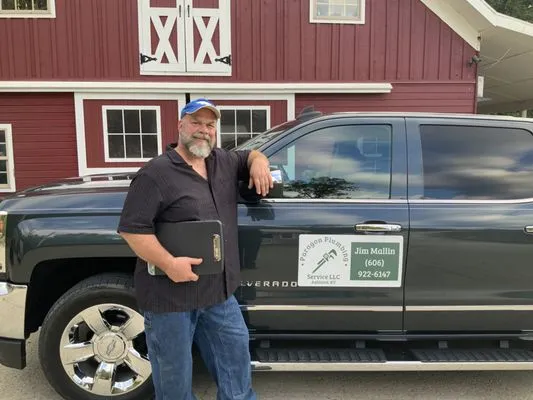
Paragon Plumbing Service is a locally owned and operated business serving Ashland, KY, and the surrounding area. Founded and run by Kentucky Master Plumber Jim Mallin, the company brings nearly 20 yea...
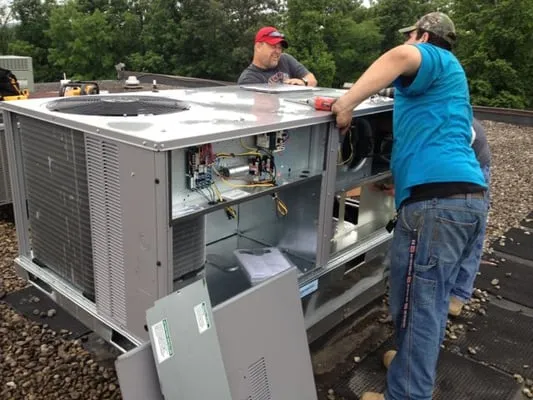
Tri State Heating & Air
Tri-State Heating & Air is a BBB-accredited HVAC and plumbing service provider serving Flatwoods, KY and the greater Tri-State area. With over 20 years of experience, we specialize in residential and ...
S L Ginn & Sons Plumbing is a family legacy serving Vanceburg and the surrounding communities since 1957. It began when B L Ginn and his son, Sam, started installing gas lines for local residents, who...
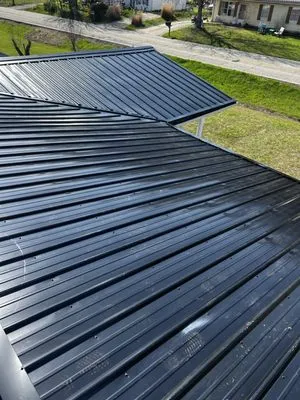
Gilbert home improvement
Gilbert Home Improvement is a locally owned and operated construction business in Ashland, KY, founded by a builder who started working with family in high school and turned that experience into a ful...
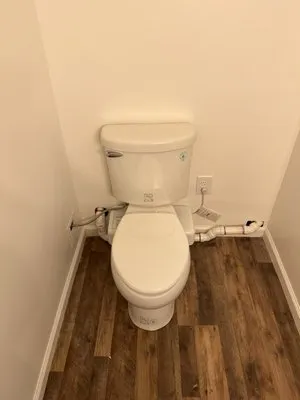
Blake Ginn Plumbing is a family-owned plumbing business serving Vanceburg, KY, with deep roots in the community. Founded in 1957 by Samuel Ginn and his father B L Ginn when gas lines first arrived in ...
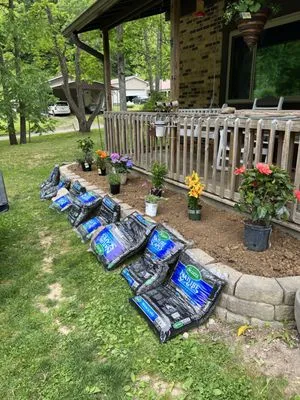
Stewart Home Improvement is your trusted, full-service contractor serving South Portsmouth, KY, and the surrounding communities. We specialize in enhancing outdoor living with expert deck construction...

The Climate Adjustor is a locally owned and operated electrical, general construction, and HVAC contractor serving Olive Hill, Kentucky. Founded by owner-operator Lloyd Martin, the business was born f...
Lance Daugherty Plumbing Services is a trusted, locally-owned plumbing company serving Flatwoods, KY, and the surrounding areas. With years of experience, we specialize in addressing the unique plumbi...
Daugherty Plumbing Services is a trusted local plumbing company serving Flatwoods, KY, and the surrounding areas. We understand the specific challenges homeowners in our region face, including water h...
David Grubb Plumbing provides trusted plumbing services for Worthington, KY homeowners. We specialize in thorough plumbing inspections to identify and resolve common local issues like broken shutoff v...
Estimated Plumbing Costs in Worthington, KY
Common Questions
Does Ohio River water damage my plumbing fixtures?
Hard water from the Ohio River deposits mineral scale inside pipes and appliances. Water heaters accumulate sediment that reduces efficiency and shortens element life. Fixtures develop crusty buildup around aerators and showerheads, restricting flow. Installing a whole-house water softener protects your investment by preventing this gradual damage to plumbing components.
How quickly can a plumber reach my home in Worthington?
Heading past Greenup Locks and Dam on US-23, most service calls take 20-30 minutes from dispatch. That route covers the main corridor through Worthington Heights and surrounding neighborhoods. We monitor traffic patterns along US-23 to adjust for peak times, ensuring consistent response windows regardless of where you live in the area.
Who handles permits for plumbing work in Greenup County?
I coordinate directly with the Greenup County Building Department and maintain Kentucky Department of Housing, Buildings and Construction credentials. This means pulling permits, scheduling inspections, and ensuring code compliance happens behind the scenes. Homeowners avoid the red tape while knowing their plumbing upgrades meet all current Kentucky building standards for safety and resale value.
How does hilly terrain affect my home's drainage near Greenup Locks?
The slope around Greenup Locks and Dam creates drainage challenges that stress main sewer lines. Downhill properties experience increased hydrostatic pressure during heavy rains, while uphill homes deal with soil erosion exposing pipes. This terrain movement can misalign pipe joints over time, leading to root intrusion or partial collapses that require excavation rather than simple clearing.
Why do my galvanized pipes keep leaking after 1960s installation?
Galvanized steel installed in 1964 suffers from internal corrosion that creates pinhole leaks, particularly at joints where dissimilar metals meet. The zinc coating that once protected these pipes has deteriorated over six decades, allowing scale buildup to restrict flow. This calcification at threaded connections eventually causes failure, requiring section replacement rather than spot repairs.
As a suburban Worthington homeowner, what unique plumbing issues should I watch for?
Municipal water pressure fluctuations affect older galvanized systems more than newer homes. Tree roots seek out joints in lateral lines, especially where clay pipes meet modern materials. Unlike rural properties with wells, you'll notice pressure changes during peak usage times. Regular camera inspections of your lateral line catch root intrusion before it becomes a backup emergency.
What should Worthington homeowners do before spring thaw?
Check exposed pipes in crawl spaces and basements for insulation gaps before temperatures drop to 24°F. During spring thaw, monitor your main water shutoff valve for leaks as ground shifts. A pro-tip: keep cabinet doors under sinks open on cold nights to allow warm air circulation. This simple step prevents freeze-ups that often occur during our temperate climate's temperature swings.
How old are the pipes in Worthington Heights and what should I expect?
Homes built around 1964 in Worthington Heights have galvanized steel pipes that are now 62 years old. At this age, you'll notice frequent pinhole leaks, especially at threaded joints where corrosion has thinned the metal. Many neighbors report sudden drops in water pressure or rusty water appearing in fixtures. This isn't a maintenance issue—it's the natural lifespan of this material reaching its end.
