Top Emergency Plumbers in Warsaw, KY, 41083 | Compare & Call

There are 42 plumbing companies server in Warsaw KY
Ohio Valley Plumbing Company is a locally owned and operated plumbing service based in Madison, Indiana, serving Jefferson County and surrounding areas. Founded by owner Kamden Mahoney, who holds a Ma...
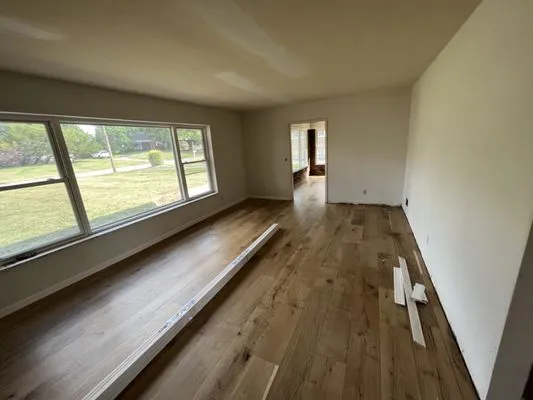
DNA Construction & Welding
DNA Construction & Welding is a locally owned and operated contractor in Aurora, Indiana, founded and run by owner Dean. After a lifetime of experience in the trades, Dean created this company to be a...

HuntCanFixIt is your trusted, local handyman and repair service right here in New Pekin, IN. We tackle a wide range of home projects, from appliance and plumbing repairs to full-scale construction lik...
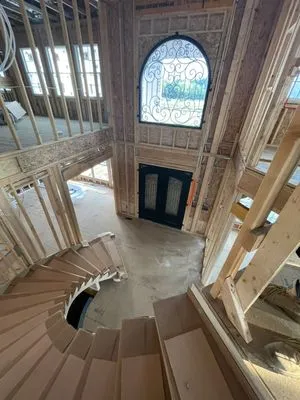
SuperMaintenance is your trusted local handyman and plumbing specialist serving Muncie, IN. We understand the common challenges homeowners face, like outdoor faucet freezing and dishwasher leaks, whic...
Ripberger Plumbing and Drain Cleaning is Patriot's trusted local plumbing expert, serving homeowners with reliable, professional service. We specialize in addressing common local plumbing challenges l...
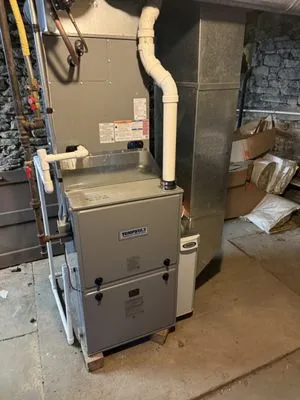
Since starting in 2007, our journey has evolved from working on large apartment complexes to focusing entirely on residential comfort for Lawrenceburg, Greendale, and surrounding areas. We specialize ...
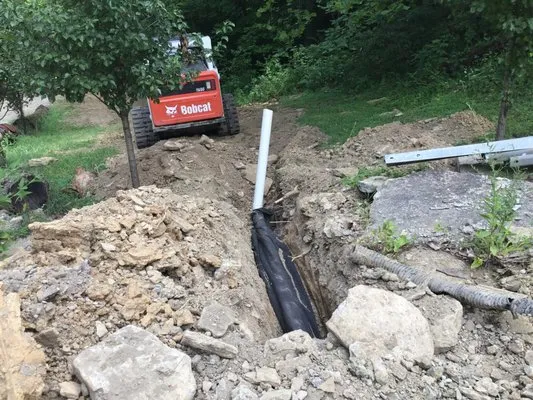
Precision Underground is Dillsboro's trusted partner for comprehensive plumbing and utility solutions. We understand the common frustrations local homeowners face, like persistent low water pressure a...
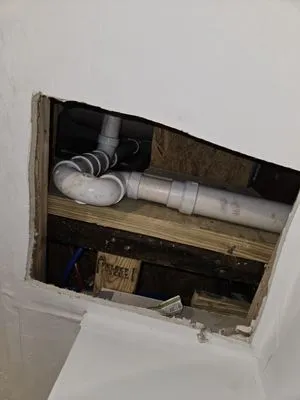
Weed's Home Services is a Veteran-owned home repair and improvement company serving West Harrison, IN, and the surrounding area. Founded in 2019, we bring over 15 years of hands-on experience to every...
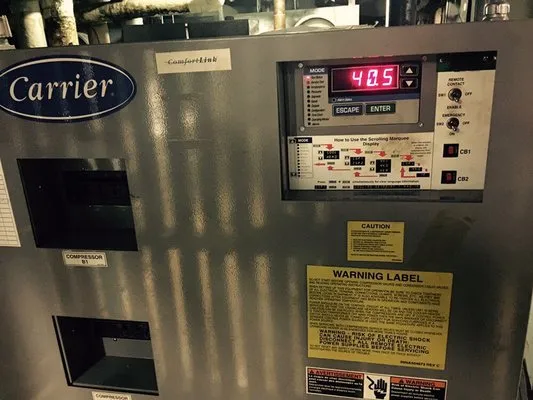
Louisville Mechanical Services
As a second-generation mechanical contractor with over 30 years of hands-on experience, I grew up immersed in this trade, learning from my father and his colleagues who each had 25–30 years of experti...
Simple Man Construction
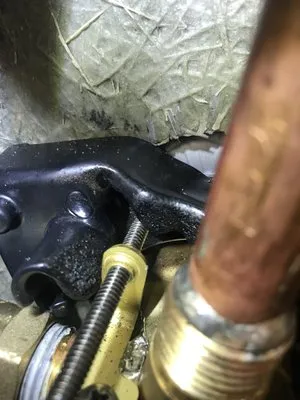
Simple Man Construction is a family-owned and operated business with deep roots in the Richmond, KY community. As a third-generation construction professional with over 15 years of hands-on experience...
Estimated Plumbing Costs in Warsaw, KY
Common Questions
My Warsaw home was built around 1980 with copper pipes. What should I expect as they age?
Copper pipes installed in 1980 are now 46 years old. In Downtown Warsaw, homeowners are seeing pinhole leaks, especially at joints and elbows where water turbulence causes erosion. These often appear as small damp spots on walls or ceilings before developing into drips. The copper has endured decades of mineral exposure from our hard water, thinning the pipe walls gradually.
Who handles permits and inspections for plumbing work in Gallatin County?
I manage all required permits through the Gallatin County Building Department and comply with Kentucky Department of Housing, Buildings and Construction standards. This includes inspections for new installations, major repairs, or septic system modifications. Handling this red tape ensures your project meets local codes without you navigating bureaucratic hurdles.
How quickly can a plumber reach my house in Warsaw during an emergency?
Heading past Gallatin County Courthouse on US-42, I can access most Warsaw addresses within 45-60 minutes. This route connects downtown to outlying areas efficiently, avoiding backroad delays. For urgent calls like burst pipes, I prioritize direct paths using main arteries to minimize response time.
What should I do to prevent plumbing problems during Warsaw's spring thaw?
Before temperatures rise above freezing consistently, insulate exposed pipes in unheated areas like crawlspaces. Check for leaks at joints that may have contracted during cold snaps. A pro-tip: slowly increase water flow through seldom-used lines to monitor for cracks that became apparent as ice melted, addressing minor issues before they escalate.
As a rural Warsaw homeowner, what unique plumbing issues should I watch for?
Rural properties often rely on wells and septic systems, which need regular maintenance. Well pumps can fail due to hard water scaling, while septic drain fields require monitoring for proper drainage in our clay-heavy soil. Pressure tanks may need adjustment to handle variable demand, and backflow prevention is crucial to protect water quality.
How does Warsaw's hilly terrain impact my home's drainage and main water line?
Hilly slopes around Gallatin County Courthouse create uneven stress on main water lines, potentially causing shifts or joint separation over time. Drainage systems must handle rapid water runoff during heavy rains, which can overwhelm older pipes. Soil erosion on inclines may expose or damage buried lines, requiring proper grading to maintain stability.
Does Ohio River water affect my home's plumbing fixtures and water heater?
Yes, water sourced from the Ohio River is hard, containing high mineral content that causes scaling. This buildup reduces water heater efficiency by insulating heating elements, forcing them to work harder and shortening lifespan. Fixtures like faucets and showerheads develop reduced flow as mineral deposits accumulate inside over time.
Why do my 1980s copper pipes keep springing leaks at the joints?
Copper pipes from that era often fail at soldered joints due to galvanic corrosion or calcification buildup. Over decades, minerals in our hard water accumulate at connection points, weakening the solder. This leads to joint separation or pinhole leaks, especially in areas with frequent temperature changes from our temperate climate.
