Top Emergency Plumbers in Villa Hills, KY, 41017 | Compare & Call

There are 237 plumbing companies server in Villa Hills KY
DNA Construction & Welding
DNA Construction & Welding is a locally owned and operated contractor in Aurora, Indiana, founded and run by owner Dean. After a lifetime of experience in the trades, Dean created this company to be a...
Carroll Gompf & Son Sewer
For over 60 years, Carroll Gompf & Son Sewer has been a trusted, family-owned plumbing and sewer service provider in Lawrenceburg and the surrounding Tri-State area. We handle a wide range of resident...

Diamond Plumbing is a family-owned and operated plumbing service based in Lawrenceburg, IN, founded by Ethan with deep roots in the trade. Growing up immersed in plumbing and business through his fath...
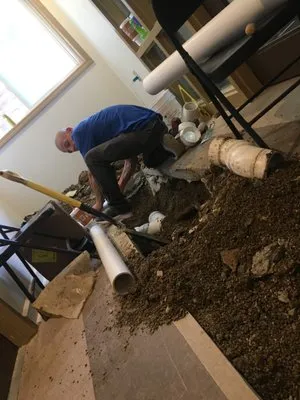
The Randyman in Aurora, IN is a family-owned and operated handyman and plumbing service built on a foundation of 20 years of experience. Founder Randy started the business to provide honest craftsmans...
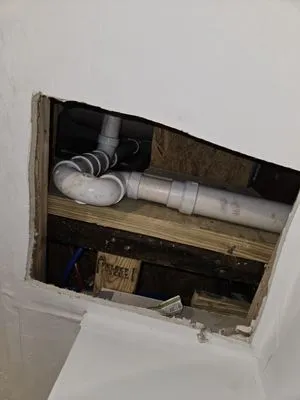
Weed's Home Services is a Veteran-owned home repair and improvement company serving West Harrison, IN, and the surrounding area. Founded in 2019, we bring over 15 years of hands-on experience to every...
Simple Man Construction
Simple Man Construction is a family-owned and operated business with deep roots in the Richmond, KY community. As a third-generation construction professional with over 15 years of hands-on experience...

Nurse Nest Management is a trusted Hillview, KY business offering comprehensive property solutions for both residential and commercial clients. We specialize in interior design services—from full home...
RBS Mechanical and Handyman Service
RBS Mechanical and Handyman Service is a locally-owned and operated team of experienced tradesmen serving Florence, KY. Founded by professionals who left larger corporate contractors, we built our bus...
Roto-Rooter Plumbing & Water Cleanup
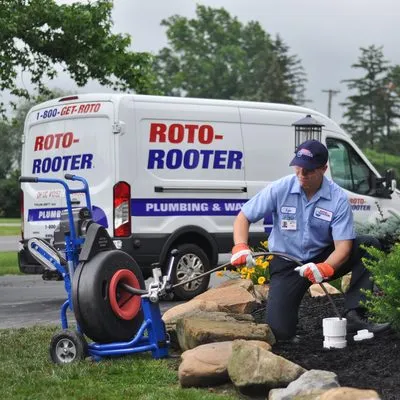
Roto-Rooter Plumbing & Water Cleanup in Florence, KY, is your local, reliable partner for all plumbing and water damage needs. We are a fully staffed, locally-operated team available 24 hours a day, 7...
Arlinghaus Plumbing Heating & Air Conditioning
Arlinghaus Plumbing Heating & Air Conditioning is a family-owned business proudly serving Erlanger, KY, and the Greater Cincinnati area since 2008. Founded by Brian and Heather Arlinghaus, our team of...
Estimated Plumbing Costs in Villa Hills, KY
Q&A
Does Ohio River water damage my plumbing fixtures and water heater?
Hard water from the Ohio River deposits calcium and magnesium scale inside pipes and appliances. Water heaters accumulate this mineral buildup on heating elements, reducing efficiency by up to 30% over time. Fixtures develop restricted flow as aerators clog with scale particles. Installing a whole-house water softener protects your investment and maintains proper water pressure throughout the home.
What should I do before spring thaw to prevent plumbing problems?
Insulate exposed pipes in crawl spaces and garages before temperatures drop to 24°F. Disconnect and drain outdoor hoses to prevent backflow into interior lines. Check that your main water shutoff valve operates smoothly - frozen lines often burst at the thaw. Schedule a pressure test in late winter to identify weak spots before seasonal temperature swings stress older copper systems.
How quickly can a plumber reach my home in Villa Hills during an emergency?
Heading past Doe Run Lake on I-75 puts me within 20-30 minutes of most Villa Hills addresses. That route provides direct access to both the older neighborhoods and newer developments. I keep a truck stocked with common repair parts for 1980s copper systems to minimize return trips. Response time rarely exceeds half an hour even during peak traffic periods.
What permits do I need for a plumbing repair or replacement in Villa Hills?
Most repairs require permits from the Villa Hills Building and Zoning Department, while full repipes need Kentucky Department of Housing, Buildings and Construction approval. I handle this red tape for clients - filing paperwork, scheduling inspections, and ensuring work meets current code standards for copper-to-PEX transitions. Proper permitting protects your home's value and ensures installations withstand our specific environmental conditions.
My copper pipes are original to my 1981 Villa Hills Estates home - what should I expect at this age?
Copper pipes installed around 1981 are now 45 years old. Homeowners in Villa Hills Estates often see thinning walls and increased frequency of leaks as the material reaches the end of its typical lifespan. You might notice small green stains around joints or fittings, which indicate corrosion has started. This aging process accelerates in our area due to water chemistry and soil conditions.
Could my home's hillside location near Doe Run Lake cause drainage issues?
Hilly terrain places constant gravitational stress on main sewer lines running downhill. Soil erosion around Doe Run Lake can expose or shift buried pipes, creating low spots where waste collects and causes blockages. The slope also affects water pressure - homes at higher elevations may need pressure regulators to prevent excessive strain on aging copper fittings. Proper grading around foundations prevents surface water from infiltrating basement drain systems.
Why do my copper pipes keep developing pinhole leaks?
Pinhole leaks in 45-year-old copper systems typically stem from two factors: electrolytic corrosion between dissimilar metals and erosion from water velocity at bends. The original solder joints from 1981 installations often contain lead, which accelerates deterioration. These failures commonly appear first near water heaters and at fixture connections where temperature changes stress the metal.
As a suburban homeowner, what unique plumbing concerns should I watch for?
Municipal water pressure in Villa Hills typically runs higher than rural systems, which accelerates wear on 45-year-old copper joints. Tree roots seek moisture in clay soil common here, potentially invading sewer laterals at connection points. Shared utility easements mean neighboring construction or repairs can affect your underground lines. Regular camera inspections of laterals catch root intrusion before it causes backups.
