Top Emergency Plumbers in Stanton, KY, 40380 | Compare & Call

There are 14 plumbing companies server in Stanton KY
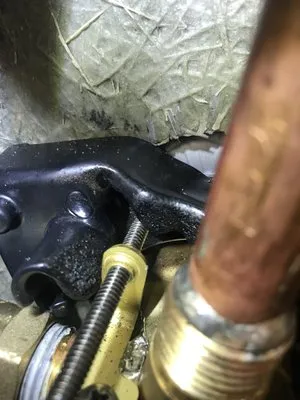
Simple Man Construction
Simple Man Construction is a family-owned and operated business with deep roots in the Richmond, KY community. As a third-generation construction professional with over 15 years of hands-on experience...

Fayette Heating & Air
Fayette Heating & Air is a family-owned HVAC, electrical, and plumbing company serving Lexington and Central Kentucky since 1971. As a second-generation business, we provide reliable residential and c...
Colosi Plumbing has been serving the Winchester, KY community for years, providing reliable solutions for local plumbing challenges. Homeowners in our area frequently deal with low water pressure and ...

All-Pro Plumbing has been serving Prestonsburg and Eastern Kentucky since 2007, when we combined two smaller companies to create a comprehensive plumbing service. With over 12 years in business, we ge...
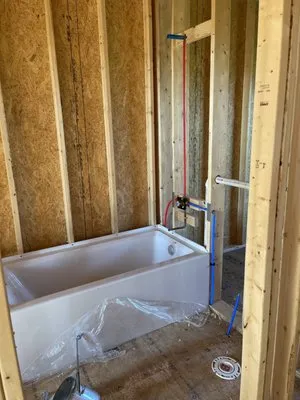
Unlimited Plumbing 859 is a fully licensed and insured plumbing service founded in March 2023 by a master plumber with over 15 years of experience in the trade, dating back to 2008. Since earning a jo...
CCP Plumbing is your trusted local plumbing expert serving Lakeview Heights, KY, and surrounding areas. We specialize in comprehensive plumbing solutions, from routine repairs to full installations, h...

At Harris Plumbing Services in Jeffersonville, KY, we approach every job with a passion for the craft, backed by the expertise of a Master and Journeyman license holder in the state of Kentucky. Wheth...
Banks Plumbing & Heating is a trusted, locally-owned plumbing service based in Stanton, KY, dedicated to keeping homes and businesses running smoothly. We specialize in thorough plumbing inspections t...
DIJS Contracting
DIJS Contracting is a full-service Beattyville contractor dedicated to improving and maintaining local homes. We specialize in a wide range of construction, from new single-family and modular homes to...

Twin City Home Services
Twin City Home Services is your trusted, local provider for comprehensive plumbing, HVAC, and home maintenance in Irvine, KY. We believe quality service should be affordable, which is why we guarantee...
Estimated Plumbing Costs in Stanton, KY
Common Questions
How long do copper pipes last in an older Stanton house?
Copper plumbing installed around 1982 is now 44 years old. In the Main Street District, we're seeing that lifespan end. Homeowners are calling about persistent pinhole leaks, especially behind walls or under slabs, where the pipe's internal lining has worn thin from decades of water flow and mineral abrasion. This is the typical failure point for copper of this vintage.
Are there special plumbing concerns for a rural Stanton property?
Rural properties often rely on private wells and septic systems. Well pump pressure needs to be correctly balanced, and the septic tank requires regular pumping every 3-5 years to prevent solids from entering and clogging the drain field. Municipal water concerns like main breaks aren't an issue, but you're responsible for the entire system from the well cap to the septic field.
Do I need a permit to replace my water heater in Powell County?
Yes, Powell County Building and Zoning requires a permit for water heater replacement, and the installation must meet Kentucky Department of Housing, Buildings and Construction codes. This typically involves proper pressure relief valve piping and seismic straps. We handle pulling the permit and scheduling the inspection, so you don't have to navigate the red tape yourself.
What's the best way to prepare my plumbing for a Kentucky spring?
The spring thaw, when nighttime lows can still dip to 26°F, is a critical time. A pro-tip is to disconnect and drain your garden hoses before the last frost. A hose bib that freezes can crack the pipe inside your wall. It's also wise to check your crawl space vents to ensure they're closed, preventing cold air from freezing exposed pipes during a late cold snap.
How fast can a plumber get to my house in Stanton?
Our dispatch route from the Red River Gorge area typically puts us on the Mountain Parkway toward Stanton. Heading past the parkway exit, we can be at a Main Street District home in about 45 to 60 minutes, barring any weather-related slowdowns on those winding roads. We factor that travel time into our scheduling for same-day emergency calls.
Can the hilly terrain around Stanton cause plumbing problems?
The slope of your property directly affects drainage. On a hillside lot, like many near the Red River Gorge area, the main sewer line from your house to the street is under constant gravitational stress. Over time, this can cause the pipe to settle or the joints to separate, leading to blockages or leaks. Proper bedding and support during installation are crucial here.
Does hard water from the Kentucky River damage my plumbing?
Yes, the mineral content in our water source leads to scale buildup. This is most damaging to water heaters, where scale insulates the heating elements and causes them to overwork and fail prematurely. You'll also see it crusting on faucet aerators and showerheads, reducing flow. Over years, this scaling can significantly restrict water pressure throughout the house.
Why do my 1980s copper pipes keep springing pinhole leaks?
Pinhole leaks in 44-year-old copper are often caused by a combination of internal erosion and external corrosion. Over decades, the hard water in our area can wear down the pipe's inner surface, while acidic soil conditions common in this region can attack the pipe from the outside. Once the wall is thin enough, a small, high-pressure leak develops, which is a sign the entire system may be nearing the end of its service life.
