Top Emergency Plumbers in Pioneer Village, KY, 40165 | Compare & Call

There are 127 plumbing companies server in Pioneer Village KY

HuntCanFixIt is your trusted, local handyman and repair service right here in New Pekin, IN. We tackle a wide range of home projects, from appliance and plumbing repairs to full-scale construction lik...
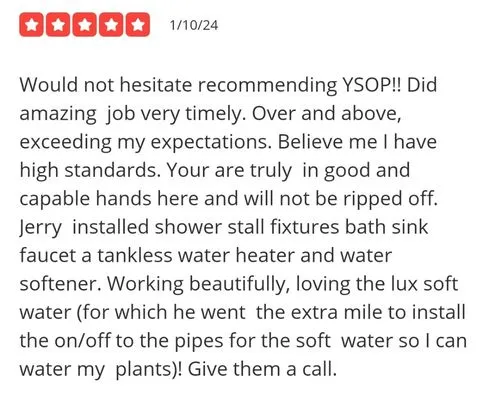
Your Second Opinion Plumbing is a locally owned and operated service serving New Albany, Indiana, and the surrounding communities. With a combined team experience of over 40 years, they provide honest...
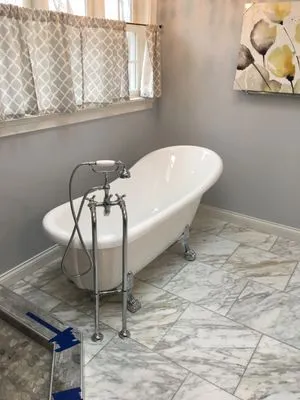
Heartland Mechanical is your trusted, full-service plumbing company in Palmyra, IN. We understand the common plumbing headaches facing local homeowners, from persistent bathroom drain buildup to stubb...
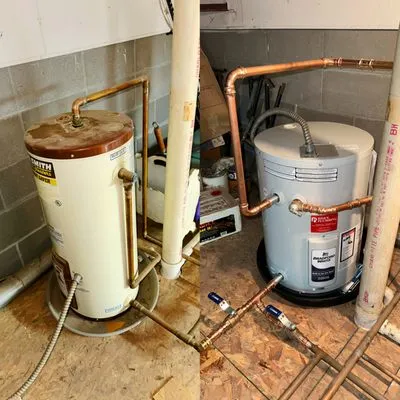
Risen Plumbing is a union-affiliated plumbing service provider serving New Albany, IN, and surrounding areas including Floyd County, Clark County, and Jefferson County. With 8 years of industry experi...
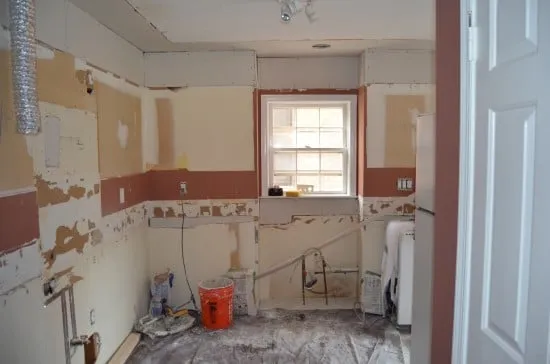
Diy Rescues Contracting & Remodeling of Southern Indiana
Diy Rescues Contracting & Remodeling of Southern Indiana is a locally-owned and operated company in New Albany, built on years of hands-on experience. We believe in bringing quality craftsmanship back...

Daniel Brown Plumbing has been a trusted name in Louisville, Kentucky, since the 1980s. Founded by Daniel Brown, our locally owned business is built on over 35 years of hands-on experience and a genui...
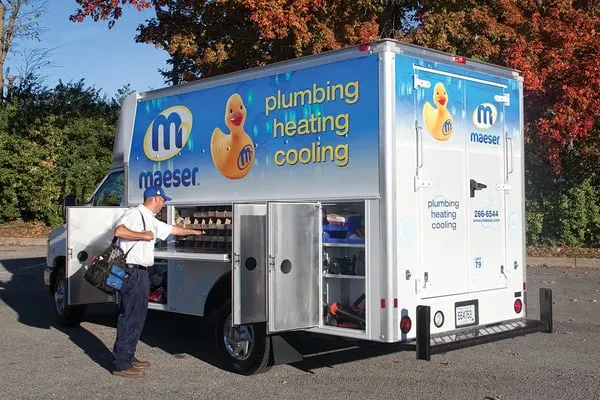
Maeser Master Services
Maeser Master Services has been Louisville's trusted name for plumbing, heating, cooling, and remodeling since 1975. Founded by plumber-turned-entrepreneur Marvin B. Maeser and his wife Mildred, this ...
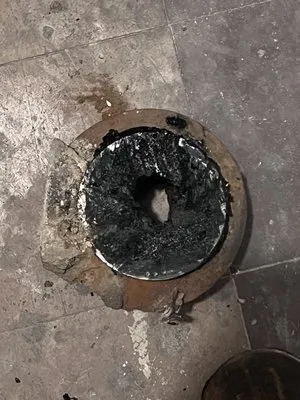
Just In Time Plumbing is a trusted, locally owned plumbing service in Louisville, KY, with a deep commitment to the community. With over a decade of experience as a licensed Kentucky plumber, the owne...
John Heffley Plumbing has been serving Shepherdsville, KY, and surrounding communities for over 30 years. What began as a one-truck operation built on determination has grown into a trusted local plum...
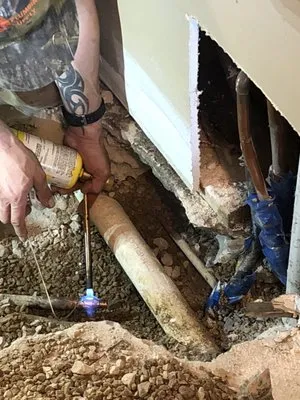
A&S Plumbing is a family-owned, licensed, and insured master plumbing contractor serving Louisville and the surrounding areas. With over 20 years of hands-on experience, we are dedicated to building l...
Estimated Plumbing Costs in Pioneer Village, KY
Common Questions
As a suburban homeowner, what's my biggest plumbing responsibility?
Your primary responsibility is the lateral line running from your house to the municipal sewer main under the street. Tree roots from mature yards are the biggest threat, seeking out small cracks in these pipes. A backflow preventer is also a wise investment in our suburban setting to protect your home from potential sewer main backups. Regular drain cleaning and camera inspections can help you manage these out-of-sight liabilities.
Who handles permits for a bathroom remodel or repipe?
Most plumbing work requires permits through the Bullitt County Building and Planning Department, and must meet codes enforced by the Kentucky Department of Housing, Buildings and Construction. As a licensed master plumber, I pull these permits, schedule the required inspections, and ensure the work passes code. Handling this red tape is part of the job, so you don't have to navigate the county offices yourself.
How quickly can a plumber get to my house in an emergency?
A local plumber familiar with the area can often be onsite within 30 to 45 minutes for urgent calls. The typical dispatch route involves heading past Bernheim Arboretum and Research Forest to access I-65, which provides a direct corridor into Pioneer Village. Knowing these backroads and the traffic patterns around the interstate exit helps minimize response time when you have water actively leaking.
What's the most common plumbing repair for a house my age?
For copper systems installed in 1993, pinhole leaks are a frequent issue. This occurs when internal corrosion, often accelerated by our area's hard water, wears through the pipe wall. You'll typically find these leaks first at elbows and tee fittings where water turbulence is highest. Replacing these failing copper sections with new copper or PEX, using proper dielectric unions to prevent galvanic corrosion, is the standard repair.
Does the hard water around here damage appliances?
Yes, the mineral content from the Salt River watershed leads to significant scale buildup. In water heaters, this scale acts as an insulator on the heating element, forcing it to work harder and fail prematurely. On faucets and showerheads, it clogs aerators and reduces flow. Installing a whole-house water softener is the most effective long-term solution to protect your fixtures and extend the life of your water-using appliances.
Could the hilly land around Bernheim Forest cause plumbing problems?
The sloping terrain common around here can stress the main water line where it enters your home. Over years, soil settlement on a hillside can cause the pipe to bend or the connection at the foundation to crack. It also affects drainage; if your home is downhill from a slope, heavy rain can saturate the ground and put hydrostatic pressure on your foundation, potentially threatening basement drain lines.
What should I do to prepare my plumbing for winter?
While our temperate climate means deep freezes are less common, overnight lows can still hit 26 degrees. The real risk comes during the spring thaw when previously frozen ground shifts. Before winter, disconnect and drain outdoor hoses, and insulate any pipes in unheated crawlspaces. A pro-tip is to locate and label your main water shut-off valve now, so you can act fast if a pipe does freeze and burst.
Our home was built in the early '90s. Should I be worried about the plumbing?
Homes built around 1993, like many in Pioneer Village Estates, have copper pipes that are now 33 years old. At this stage, the internal solder joints and the pipe walls themselves begin to show their age. You might notice small green corrosion spots on pipe fittings or hear a faint pinging in the walls, which are early signs of pinhole leaks developing. Proactive inspection of exposed plumbing in basements and crawlspaces can catch these issues before they turn into larger problems.
