Top Emergency Plumbers in Pine Knot, KY, 42635 | Compare & Call

There are 98 plumbing companies server in Pine Knot KY
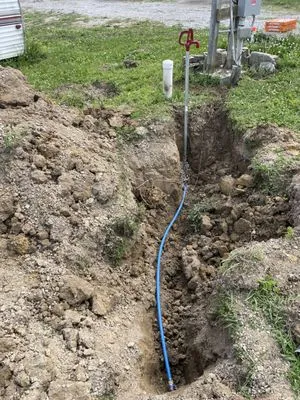
Bluegrass Plumbing & Excavation is a Manchester-based plumbing and excavation company owned by Master Plumber Tyler, who brings six years of professional experience to every job. Fully licensed and in...

Precision Plumbing is a trusted plumbing service provider based in Corbin, KY, dedicated to keeping local homes and businesses running smoothly. We understand the specific challenges faced by property...
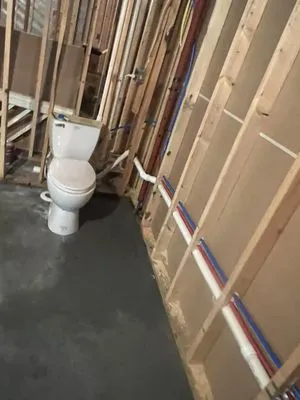
Tri-County Plumbing Solutions
Tri-County Plumbing Solutions is a locally-owned and operated plumbing service based in Corbin, KY, serving the Tri-County area. Founded by Matt Vanover, a licensed plumber with five years of experien...

Hello, I'm Charlie Pace, the owner of Pace Plumbing here in Corbin. After nearly a decade in the trade, I started this company with a simple promise: to deliver quality, affordable plumbing service to...

Epperson Air Conditioning Heating Plumbing Electric
For over 50 years, Epperson Air Conditioning Heating Plumbing Electric has been the Somerset, Kentucky family you call for home comfort and safety. Established in 1971, our family-owned business has b...
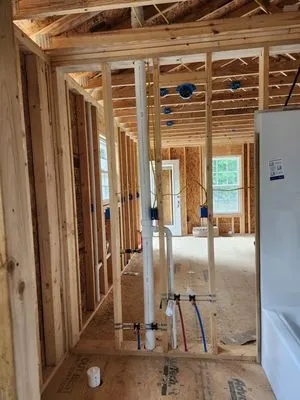
Platinum Plumbing is your trusted, local plumbing service in Williamsburg, Kentucky. We provide comprehensive solutions for homeowners, from routine repairs to complete installations. Our licensed plu...

J & S Septic is a trusted local septic service provider serving Monticello, KY, and the surrounding areas. We specialize in comprehensive septic system solutions, including plumbing inspection, system...
For over 18 years, Legacy Plumbing & Septic has been the trusted, family-owned solution for plumbing and septic needs in Eubank, KY, and across Pulaski County. We understand that plumbing problems don...

Flowers Home Repair & Property Maintenance
Flowers Home Repair & Property Maintenance is a family-operated business serving Williamsburg and surrounding communities. Founded and run by a dedicated husband-and-wife team with a crew of skilled p...
The Plumbing Authority
The Plumbing Authority is a locally owned and operated plumbing service in Knoxville, TN, with deep roots in the trade spanning four generations. Founded by Bryan, a licensed master plumber who grew u...
Estimated Plumbing Costs in Pine Knot, KY
Questions and Answers
What should I do before spring thaw to prevent plumbing problems in Pine Knot's temperate climate?
Before spring thaw, disconnect garden hoses and shut off exterior water valves to prevent freeze damage to faucets and pipes. Temperatures here can drop to 24°F, and the thaw cycle puts stress on older plumbing systems. Check exposed pipes in crawl spaces and basements for insulation gaps. A pro-tip: keep cabinet doors under sinks open during cold snaps to allow warm air to circulate around pipes. These simple steps prevent most seasonal emergencies we see each year.
How does the hilly terrain around Big South Fork affect my home's drainage system?
Hilly terrain around Big South Fork creates drainage challenges that stress plumbing systems. Slope changes can cause sewer lines to sag or develop low spots where waste accumulates instead of flowing freely. Heavy rains wash soil away from pipe bedding, leaving sections unsupported and prone to cracking. Main lines running downhill experience increased pressure that tests older joints and connections. Proper grading around your foundation and regular camera inspections of drainage lines help identify these terrain-related issues before they become emergencies.
How quickly can a plumber reach my home in Pine Knot if there's an emergency?
Heading past Big South Fork National River and Recreation Area on US-27, most emergency calls take 45-60 minutes from dispatch to arrival. The route follows US-27 through the county, which is the main artery for service vehicles. We factor in the rural road conditions and occasional seasonal traffic near recreational areas. Having your exact location and problem description ready helps us optimize the route and bring the right equipment on the first trip.
My Pine Knot Central home was built around 1990 with copper pipes. What should I expect now that they're 36 years old?
Copper pipes installed in 1990 are now 36 years old, which is when we typically see accelerated wear in our area. Homeowners in Pine Knot Central are reporting more frequent pinhole leaks, especially at joints and elbows where water turbulence occurs. The original soldered connections from that era are showing signs of fatigue from decades of thermal expansion and contraction. Many houses from that build period need partial repiping or full system evaluations to prevent sudden failures.
As a rural homeowner in Pine Knot, what unique plumbing issues should I watch for?
Rural plumbing in Pine Knot involves maintaining well systems and septic tanks alongside standard household plumbing. Well pumps and pressure tanks need annual checks to ensure consistent water delivery without damaging fixtures. Septic systems require regular pumping every 3-5 years, depending on household size—ignoring this leads to drain field failure. Unlike municipal systems, you're responsible for the entire water cycle from source to disposal, so understanding both well and septic components prevents costly surprises.
Do I need permits for plumbing work in McCreary County, and who handles that process?
Most plumbing work in McCreary County requires permits through the McCreary County Building Department, following Kentucky Department of Housing, Buildings and Construction codes. As a licensed master plumber, I handle the permit applications, inspections, and paperwork so homeowners don't need to navigate the bureaucracy. This ensures work meets current standards for safety and insurance purposes. Whether it's a water heater replacement or major repiping, proper permitting protects your investment and maintains your home's compliance record.
Does hard water from the Cumberland River damage my plumbing fixtures?
Hard water from the Cumberland River causes scale buildup that reduces fixture performance over time. You'll notice reduced flow from showerheads and faucets as mineral deposits accumulate inside the aerators and valves. Water heaters suffer most—scale insulates heating elements, forcing them to work harder and fail sooner. Installing a whole-house water softener or using vinegar treatments on affected fixtures can mitigate these effects, but the minerals in our water require regular maintenance attention.
Why do my 1990s copper pipes keep developing pinhole leaks?
Copper pipes from the 1990s often develop pinhole leaks due to a combination of age and local water chemistry. After 36 years, the protective oxide layer inside the pipes breaks down, allowing microscopic corrosion to penetrate the copper wall. This is especially common at joints where different metals meet or where water flow creates turbulence. The problem typically starts in hot water lines first, since heat accelerates the chemical reactions that weaken the pipe material.
