Top Emergency Plumbers in Monticello, KY, 42633 | Compare & Call

There are 13 plumbing companies server in Monticello KY
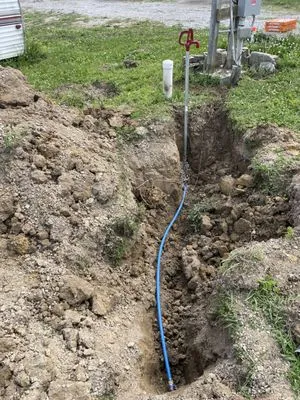
Bluegrass Plumbing & Excavation is a Manchester-based plumbing and excavation company owned by Master Plumber Tyler, who brings six years of professional experience to every job. Fully licensed and in...
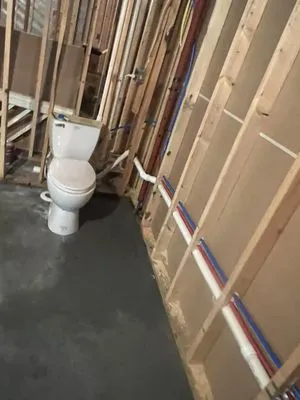
Tri-County Plumbing Solutions
Tri-County Plumbing Solutions is a locally-owned and operated plumbing service based in Corbin, KY, serving the Tri-County area. Founded by Matt Vanover, a licensed plumber with five years of experien...

Hello, I'm Charlie Pace, the owner of Pace Plumbing here in Corbin. After nearly a decade in the trade, I started this company with a simple promise: to deliver quality, affordable plumbing service to...
Epperson Air Conditioning Heating Plumbing Electric
For over 50 years, Epperson Air Conditioning Heating Plumbing Electric has been the Somerset, Kentucky family you call for home comfort and safety. Established in 1971, our family-owned business has b...
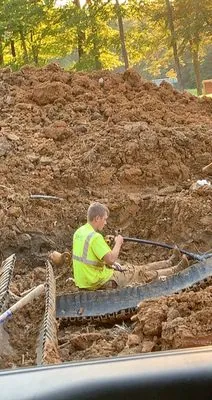
Kinnett Construction is a trusted, full-service construction and landscaping company serving Jamestown, KY, and the surrounding areas. We specialize in a wide range of services, including earthmoving,...

J & S Septic is a trusted local septic service provider serving Monticello, KY, and the surrounding areas. We specialize in comprehensive septic system solutions, including plumbing inspection, system...
For over 18 years, Legacy Plumbing & Septic has been the trusted, family-owned solution for plumbing and septic needs in Eubank, KY, and across Pulaski County. We understand that plumbing problems don...
Lyon's Plumbing & Electrical Wholesale is a trusted, locally-owned supplier in Monticello, KY, serving both professional contractors and homeowners. We understand the common plumbing challenges faced ...
Upchurch Plumbing & Heating is a trusted, locally-owned plumbing service in Monticello, KY, dedicated to keeping homes and businesses running smoothly. We specialize in thorough plumbing inspections t...

Conley H. Gregory Construction
For over 36 years, Conley H. Gregory Construction has been a trusted general contractor serving Monticello, KY, and the surrounding Wayne County area. As a locally owned and operated business, we buil...
Estimated Plumbing Costs in Monticello, KY
Questions and Answers
Could my home's hillside location cause drainage issues?
Hilly terrain around Lake Cumberland stresses main sewer lines through soil shifting and root intrusion. Downslope properties often experience slow drainage as gravity works against the system. Improper grading can direct surface water toward foundation walls, risking basement flooding. Ensuring cleanouts are accessible and downspouts divert water away from the house maintains proper flow.
Does Lake Cumberland's hard water damage my water heater?
Hard water from Lake Cumberland deposits scale inside water heater tanks and on heating elements. Over years, this insulation reduces efficiency and can cause overheating failures. Fixtures like showerheads and faucet aerators clog with mineral buildup, reducing water pressure. Installing a whole-house water softener or using vinegar flushes annually extends appliance life significantly.
As a rural homeowner, what unique plumbing concerns should I watch for?
Rural properties here typically have septic systems and private wells. Septic tanks need pumping every 3-5 years to prevent backups into the house. Well pumps and pressure tanks require regular checks for sediment buildup from hard water. Unlike municipal systems, you're responsible for the entire water and waste infrastructure from source to disposal point.
My Monticello home was built in the late 70s—should I be worried about my plumbing?
Copper pipes installed around 1977 are now 49 years old. In Downtown Monticello, homeowners often notice pinhole leaks appearing in hot water lines first, especially behind walls or under slabs. This happens as decades of water flow thin the pipe walls. You might see small damp spots on drywall or hear dripping sounds when no faucets are running. It's a predictable aging process for copper of this vintage.
How quickly can a plumber reach my house near Lake Cumberland?
Heading past Lake Cumberland on KY-90 gets me into Monticello's core neighborhoods. From there, local streets connect to most homes within 45-60 minutes. I plan routes to avoid seasonal tourist traffic around the lake. This timing covers emergencies like burst pipes or sewer backups without unnecessary delay.
Who handles permits for plumbing work in Wayne County?
I coordinate directly with the Wayne County Building Inspection Department for all required permits. My Kentucky Department of Housing, Buildings and Construction credentials ensure installations meet state code. This includes pressure tests, material approvals, and final inspections. Handling this red tape means your project stays compliant without you navigating bureaucracy.
What should I do before spring thaw to avoid plumbing problems?
Before temperatures rise above freezing, disconnect garden hoses and shut off exterior faucets from inside. Insulate pipes in unheated crawl spaces, as our 26°F lows can still cause freezing overnight. Check for leaks at pipe joints after thaw cycles—expansion from freezing often reveals weak spots. This prevents most spring emergency calls in our temperate climate.
Why do my copper pipes keep springing tiny leaks?
Copper pipes from 1977 often develop pinhole leaks due to internal corrosion and scale buildup from our hard water. The joints can also calcify, restricting flow and causing pressure spikes. These failures typically start in hot water lines where mineral deposits accelerate wear. Replacing affected sections with dielectric unions prevents galvanic corrosion between copper and newer materials.
