Top Emergency Plumbers in Lebanon, KY, 40033 | Compare & Call

There are 15 plumbing companies server in Lebanon KY
Louisville Mechanical Services
As a second-generation mechanical contractor with over 30 years of hands-on experience, I grew up immersed in this trade, learning from my father and his colleagues who each had 25–30 years of experti...
LDH Plumbing is a licensed and insured plumbing service proudly serving Willisburg and Washington County, Kentucky. We provide a comprehensive range of plumbing solutions for both residential new cons...
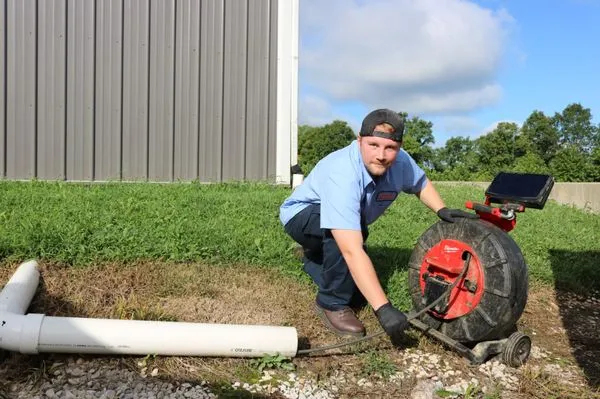
Hornback Plumbing
Hornback Plumbing is a trusted, licensed plumbing service company serving Elizabethtown, KY, and the surrounding areas with over 17 years of experience. Led by service supervisor Jesse, we provide hig...

Right There Plumbing
Right There Plumbing is a family-owned and operated plumbing service based in Willisburg, KY, with six years of industry experience. We specialize in a wide range of residential plumbing solutions, in...
HomePros Service is a trusted, full-service handyman and remodeling contractor serving Elizabethtown and the surrounding region. We offer a comprehensive range of solutions, from minor repairs and app...
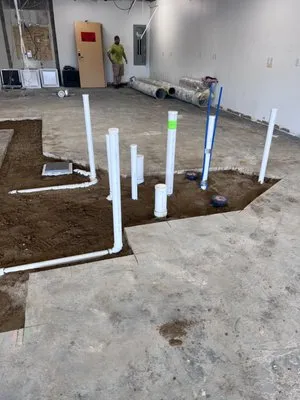
Precision Plumbing Solution is a trusted plumbing company serving Custer, KY, and surrounding areas. We provide reliable plumbing services for both residential and commercial needs, from routine maint...
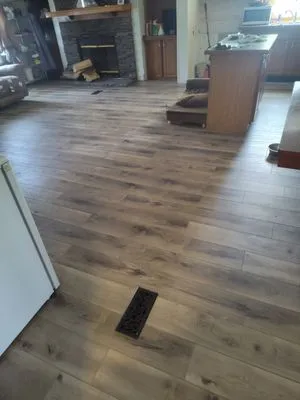
Wimsatt Construction provides trusted plumbing and home repair services for Lebanon Junction and the surrounding area. From faucet and toilet installations to comprehensive plumbing system repairs, we...
Reliabuilt Contracting
Reliabuilt Contracting is a licensed and fully insured contracting company serving Louisville and the state of Kentucky. With a team of over 50 skilled contractors, including master electricians and p...

Elk Septic & Excavation is your local Elizabethtown partner for all things underground and under your home. Established in 2017 and built on over 25 years of combined field experience, we are a state-...
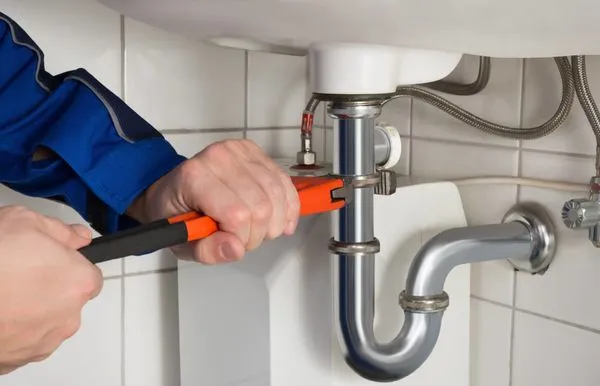
Founded in 2019, Plumbology Plumbing & Septic is a family-owned business built on years of hands-on plumbing experience in the Lancaster community. We believe in treating every customer like family, p...
Estimated Plumbing Costs in Lebanon, KY
Q&A
What's different about maintaining plumbing on a rural property near Lebanon?
Rural properties here typically rely on a private well and septic system, not city water and sewer. This means you're responsible for the entire system, from the well pump and pressure tank to the septic field. Water quality from a well often has higher mineral content, increasing scale, and septic systems require mindful water use to avoid overloading the drain field.
Who handles the permits if I need to replace my main water line?
Any major repair or replacement requires permits from the Lebanon Building and Codes Department, following Kentucky Department of Housing, Buildings and Construction guidelines. As a master plumber, I pull those permits and schedule the required inspections as part of the job. This ensures the work meets code and protects your home's value, so you don't have to navigate the red tape yourself.
What's one thing I should do each spring to avoid a plumbing disaster?
Before the spring thaw hits its peak, disconnect and drain all outdoor garden hoses. A hose left connected traps water in the bib, which can freeze during a late cold snap when temperatures still drop to around 26°F. This simple step prevents the bib and the interior pipe behind your wall from splitting, a common call we get every March.
My house was built in 1972; what plumbing issues should I expect now?
Copper pipes installed in 1972 are now 54 years old. In Downtown Lebanon, we frequently find these pipes have reached the end of their service life. You may notice pinhole leaks, especially at solder joints, or a persistent drop in water pressure. The interior walls of the pipe thin over decades, leading to failures that often start in the hot water lines first.
How fast can a plumber get to my house in Lebanon?
Heading past the Marion County Courthouse onto US-68, I can reach most homes in the Lebanon area within 20 to 30 minutes. This route provides direct access to the downtown core and surrounding neighborhoods. Knowing the backroads off the main highways helps avoid delays during school traffic or local events.
Does hard water from the Rolling Fork River damage my plumbing?
Water from the Rolling Fork River is mineral-rich, leading to significant scale buildup. This calcium and magnesium accumulation is hardest on water heaters, reducing efficiency and lifespan, and it severely restricts flow in faucet aerators and showerheads. Over time, scale acts like an abrasive on pipe interiors and valve seals, accelerating wear.
Why do my copper pipes keep springing pinhole leaks?
Copper pipe from the early 1970s often suffers from a combination of age and water chemistry. After 54 years, the protective inner oxide layer can break down, allowing aggressive local water to erode the metal. This creates weak spots that eventually perforate, causing those small, persistent leaks, particularly in areas with hard water scaling.
Could the hilly land around my house be causing my drain problems?
The hilly terrain common around the Marion County Courthouse area puts constant, uneven stress on underground sewer mains. Over decades, this can cause sections to settle or bellies to form where waste collects. For your home's plumbing, it means drains may run slower as the main line's pitch changes, requiring more frequent cleaning or camera inspection.
