Top Emergency Plumbers in Knottsville, KY, 42366 | Compare & Call

There are 240 plumbing companies server in Knottsville KY
Pampe Plumbing Heating & Air Conditioning is your trusted local plumbing expert serving Olney, IL, and surrounding areas. We specialize in comprehensive plumbing inspections to identify and address co...

Weger Heating & Air
Weger Heating & Air is a trusted, locally-owned provider serving the Lawrenceville, IL community for years. We specialize in thorough electric and plumbing inspections, helping homeowners proactively ...
Steve Jones Hardware & Plumbing
Steve Jones Hardware & Plumbing has been a trusted name in Newton and Jasper County for over 30 years. As a local, family-owned business, we combine a full-service hardware store with expert plumbing ...
B and E Plumbing is a trusted local plumbing service in Mount Vernon, IL, offering comprehensive solutions for residential plumbing needs. With expertise in bathtub, drain, faucet, sewer, and water sy...
Heath Plumbing is your trusted, local plumbing expert in Bridgeport, IL. We understand the common plumbing challenges faced by our neighbors, from persistent pipe joint leaks to the gradual corrosion ...
Parks Plumbing is a trusted, locally-owned plumbing service based in Carmi, IL, dedicated to keeping homes and businesses running smoothly. We specialize in thorough plumbing inspections to identify a...

Complete Hvac Plumbing & Electrical
Complete Hvac Plumbing & Electrical is Albion's trusted home service provider, specializing in comprehensive plumbing solutions for local homeowners. We understand the common plumbing challenges Albio...
Fitzsimmons Plumbing is a veteran-owned business serving Columbus, Indiana, with over 15 years of professional plumbing experience. Owner and US Army veteran Mark Fitzsimmons brings a disciplined, rel...
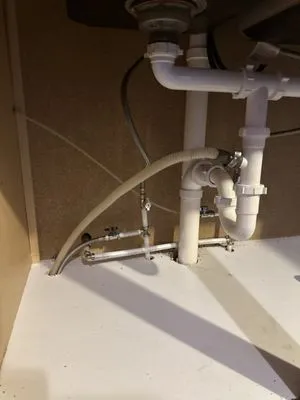
Commercial Service in Bloomington, IN has been a trusted local provider of HVAC and plumbing solutions since 1946. Founded by Joe Hamros as a small heating repair company, it grew under Jules Sonnebor...
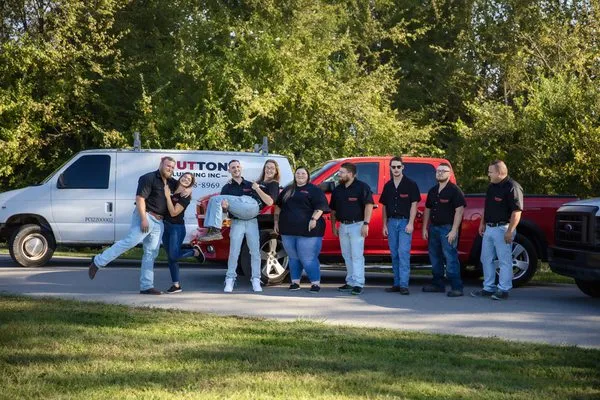
Dutton Plumbing
Dutton Plumbing, Inc. is a full-service plumbing company serving North Vernon, IN and surrounding communities including Scipio. We provide reliable and professional plumbing services for residential, ...
Estimated Plumbing Costs in Knottsville, KY
Common Questions
Why do my copper pipes keep developing small leaks?
Copper pipes from 1973 often develop pinhole leaks due to decades of water flow and mineral buildup. Joint calcification becomes common as solder joints weaken with age. These failures typically start in areas with turbulent water flow or where pipes make sharp turns.
How quickly can a plumber reach my home in the Knottsville area?
Heading past Yellow Creek on KY-54, our dispatch route covers most of the rural district within 45-60 minutes. The winding roads and scattered properties mean we plan routes carefully to minimize travel time. We prioritize emergency calls to ensure timely response throughout the area.
Could the hilly land around Yellow Creek affect my home's drainage?
The sloping terrain places constant stress on main sewer lines as soil shifts with seasonal changes. Downhill properties often experience increased pressure on drainage systems during heavy rains. Proper grading around your foundation prevents water from pooling and stressing underground pipes.
Who handles plumbing permits and inspections in Daviess County?
The Daviess County Building and Zoning Department oversees local permits while the Kentucky Public Protection Cabinet Division of Plumbing sets state standards. As a licensed master plumber, I manage all required paperwork and inspections. This ensures your project meets code without you navigating bureaucratic processes.
What should I do to prepare my plumbing for Kentucky spring weather?
With temperatures dropping to 25°F and spring thaw creating pressure fluctuations, insulate exposed pipes before the first freeze. Check outdoor faucets for proper drainage to prevent ice damage. Monitor water pressure during thaw periods when ground movement can stress connections.
My Knottsville home was built in the early 1970s - should I be worried about my plumbing?
Copper pipes installed around 1973 are now 53 years old. In the Knottsville Rural District, homeowners are seeing increased frequency of leaks, especially at joints and fittings. The copper has endured decades of water pressure and mineral interaction, making it more brittle. Regular inspections can catch issues before they become emergencies.
Does Ohio River water damage my home's plumbing fixtures?
Hard water from the Ohio River causes scale buildup that reduces water heater efficiency by 20-30% over time. Fixtures develop mineral deposits that restrict flow and damage seals. Water heaters in particular suffer from sediment accumulation that shortens their lifespan.
Are there special plumbing considerations for rural Knottsville homes?
Rural properties typically have well systems and septic tanks that require different maintenance than municipal connections. Well pumps need regular pressure checks, and septic systems require proper bacterial balance. Water quality testing becomes more important without city treatment facilities.
