Top Emergency Plumbers in Fulton, KY, 42041 | Compare & Call

There are 13 plumbing companies server in Fulton KY
Westfall Handyman Services is a family-owned business in Fulton, KY, with deep roots in the community. For over 35 years, we've been providing reliable home repair and maintenance solutions, from pain...

Sanders Bill Plumbing is a trusted, locally-owned plumbing service serving Fulton, KY, and the surrounding area. We specialize in tackling the most common local plumbing problems, including persistent...
Tennessee's Choice Plumbing
Tennessee's Choice Plumbing is a trusted, full-service plumbing company proudly serving Dresden and the surrounding northwest Tennessee communities. Founded on the principle of providing the responsiv...
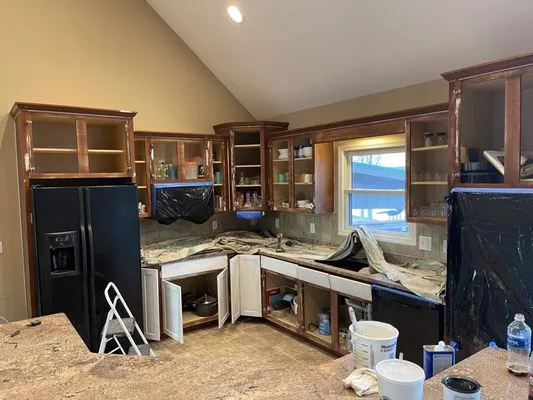
Superior Painting Plus is a locally owned and operated home improvement business in Gleason, TN, dedicated to providing reliable services with a personal touch. We focus on building lasting relationsh...
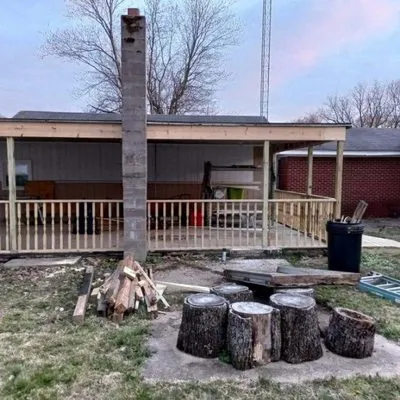
D&D Construction is your trusted local contractor in Bradford, TN, specializing in a full range of building and remodeling services. From custom decks and room additions to complete kitchen and bathro...
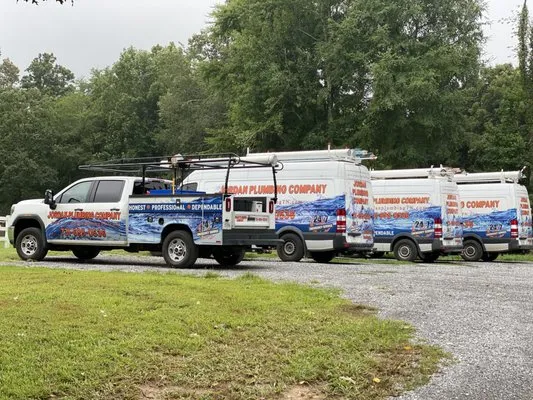
Jordan Plumbing Company is a trusted local business serving Martin, TN, and the surrounding communities. We are committed to providing honest, professional, and dependable plumbing services. Our prima...

Phelan & Co Services is a locally owned and operated HVAC and plumbing company serving Union City, TN. Founded by a Memphis transplant who fell in love with the community after moving here with his fa...
Nolan's Plumbing is your trusted local plumbing partner in Rives, TN. We take pride in offering a personal, one-on-one approach to every job, from routine faucet repairs to complex sewer installations...

MEEKS | Heating - Cooling & Refrigeration
MEEKS | Heating - Cooling & Refrigeration is a locally owned and operated business serving Sharon, TN, and the surrounding Northwest Tennessee area. Founded and run by Joey W. Meeks, a veteran, this f...

Blains Handyman Services is a trusted, locally-owned provider in Martin, TN, dedicated to solving a wide range of home maintenance challenges. We specialize in expert plumbing, drywall, flooring, and ...
Estimated Plumbing Costs in Fulton, KY
Frequently Asked Questions
Do I need a permit from the city to replace my water heater or repipe my house?
Most major plumbing work, like a full repipe or a new water heater installation, requires a permit from the Fulton City Building Inspector. The work must meet the Kentucky Department of Housing, Buildings and Construction code. I handle pulling those permits and scheduling the required inspections. This ensures the job is documented correctly and up to standard, which protects your home's value and satisfies insurance requirements.
Does Fulton's well water damage water heaters or appliances?
Yes, the hard water from the Fulton Water and Electric System wells causes significant scale buildup. Minerals like calcium and magnesium precipitate out of the water and coat the heating elements in your water heater, reducing its efficiency and lifespan. You'll see the same chalky, white residue clogging aerators on faucets and showerheads, which restricts flow and can lead to premature fixture failure.
Are there different plumbing concerns for homes in rural areas outside Fulton city limits?
Rural properties typically rely on a private well and septic system, which introduces different maintenance priorities. The well pump and pressure tank require regular service, and the septic field's health is paramount. You must be vigilant about what goes down the drains, as a failed septic system is a major repair. In-town homes connect to municipal sewer, so concerns shift more to the condition of the lateral line from the house to the street main.
Could the flat land around Pontotoc Park cause drainage issues for my home's plumbing?
The plain terrain here affects drainage and can stress your main sewer line. With minimal natural slope, the drainage system relies on precise pipe grading. Over decades, soil settlement or root intrusion can create a low spot or 'belly' in the line where waste and water collect instead of flowing freely. This leads to chronic slow drains and increases the risk of a complete backup.
How quickly can a plumber get to my house in Fulton if I have a major leak?
My dispatch route from Pontotoc Park follows US-51 into the residential areas. That drive typically takes 45 to 60 minutes from the initial call. During a major leak emergency, I advise homeowners to locate and turn off the main water shut-off valve immediately to minimize damage while help is on the way.
What's the most important thing to do to my pipes before a Fulton winter?
The critical pro-tip for our temperate winters is to disconnect, drain, and store all outdoor hoses before the first hard freeze. A hose left connected traps water in the spigot and the adjacent interior pipe. When temperatures hit that 28-degree low, that trapped water freezes, expands, and can crack the pipe or the fixture itself, causing a leak inside your wall when it thaws.
My house in Downtown Fulton was built in the 1960s. Should I be worried about the plumbing?
Plumbing from that era is now over 60 years old, which is the expected service life for galvanized steel. Downtown Fulton homeowners often start seeing problems around this age. You might notice persistent low water pressure due to severe internal corrosion, or rust-colored water that clears after a minute of running. These are the final signs before a major section fails, and a proactive plan for replacement is typically the most reliable long-term solution.
Why do my galvanized pipes keep springing small leaks?
Galvanized steel installed around 1965 is prone to pinhole leaks and joint failures. The zinc coating that protects the steel has worn away after decades, allowing the underlying iron to rust from the inside out. This corrosion creates weak spots that fail under normal water pressure, often starting at threaded joints or fittings where the material is thinnest.
