Top Emergency Plumbers in Flemingsburg, KY, 41041 | Compare & Call

There are 10 plumbing companies server in Flemingsburg KY

Lil Jon's Plumbing
Lil Jon's Plumbing is a locally owned and operated plumbing company serving Mount Sterling and Lexington, KY, with over a decade of experience. We specialize in residential and commercial plumbing ser...

Loy Plumbing is a trusted, full-service plumbing company serving Morehead, KY, and surrounding areas. With expertise in everything from bathtub and shower installations to sewer line repairs and water...
CCP Plumbing is your trusted local plumbing expert serving Lakeview Heights, KY, and surrounding areas. We specialize in comprehensive plumbing solutions, from routine repairs to full installations, h...
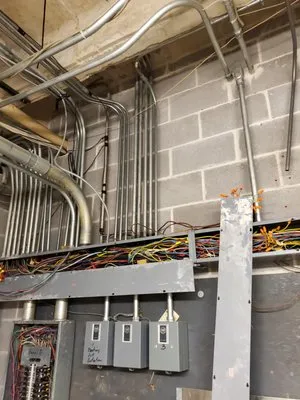
RBS Mechanical and Handyman Service
RBS Mechanical and Handyman Service is a locally-owned and operated team of experienced tradesmen serving Florence, KY. Founded by professionals who left larger corporate contractors, we built our bus...
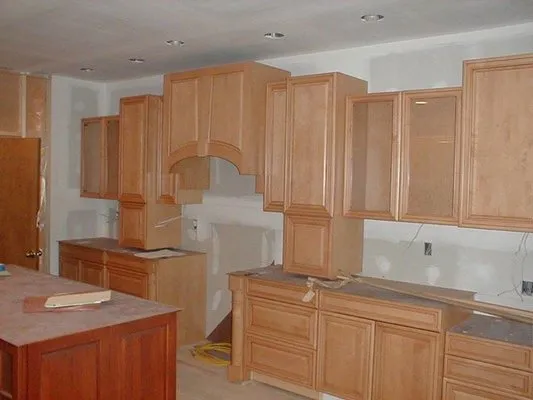
J&J Enterprises is a locally owned and operated remodeling company proudly serving Falmouth, Lexington, and Northern Kentucky. Founded on a lifelong passion for craftsmanship, owner J&J started with s...

S L Ginn & Sons Plumbing is a family legacy serving Vanceburg and the surrounding communities since 1957. It began when B L Ginn and his son, Sam, started installing gas lines for local residents, who...
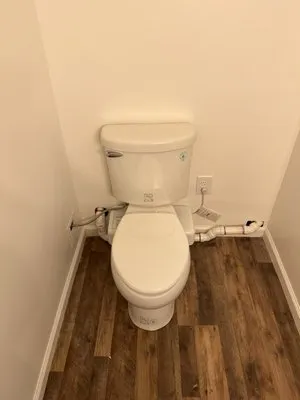
Blake Ginn Plumbing is a family-owned plumbing business serving Vanceburg, KY, with deep roots in the community. Founded in 1957 by Samuel Ginn and his father B L Ginn when gas lines first arrived in ...
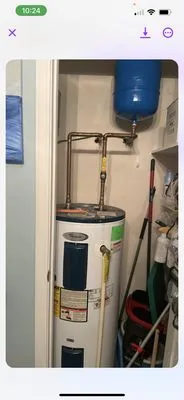
Drain Surgeon LLC is a team of master plumbers serving Hillsboro, KY, and the surrounding communities. We hold a master plumbing license and are fully certified in electrical and gas work, allowing us...
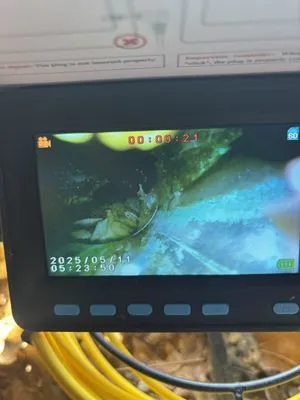
The Drain Father is Flemingsburg's trusted plumbing expert, dedicated to keeping local homes and businesses running smoothly. We specialize in drain repair, plumbing inspections, and comprehensive plu...
As a professional plumbing inspector serving Flemingsburg, KY, I provide thorough plumbing inspections to help homeowners and businesses identify and address common local issues like aging pipe leaks ...
Estimated Plumbing Costs in Flemingsburg, KY
Q&A
Who handles permits and inspections for plumbing work in Fleming County?
Fleming County Building Inspection oversees local permits, and the Kentucky Department of Housing, Buildings and Construction sets state codes. As a licensed master plumber, I manage all paperwork and inspections for projects, ensuring compliance with current regulations. Homeowners don't need to navigate this red tape—proper documentation is part of the job, from initial filing to final sign-off with county inspectors.
Does water from the Licking River damage my home's plumbing fixtures?
Water sourced from the Licking River is hard, meaning it carries high mineral content. Over time, scale buildup coats the interior of pipes, water heaters, and faucet aerators. Your water heater works harder, reducing its lifespan, and showerheads lose flow pressure. This scaling is gradual but accelerates corrosion in older copper systems. Regular descaling of fixtures helps, but the mineral content affects all hardware connected to your water supply.
How quickly can a plumber reach my home in Flemingsburg during an emergency?
Heading past Fleming County Courthouse on KY-11, most dispatch routes in the area take 45 to 60 minutes. That accounts for winding rural roads and potential traffic around the courthouse square. We plan routes to minimize delays, but the terrain and distance from central dispatch points factor in. Knowing this helps set realistic expectations when you call with a plumbing issue.
As a rural Flemingsburg homeowner, what unique plumbing issues should I watch for?
Rural properties here often rely on wells and septic systems. Well pumps can fail from hard water scale, while septic fields in hilly areas may drain poorly, causing backups. Pressure tanks need annual checks to maintain consistent flow. Unlike municipal systems, you're responsible for the entire water cycle from source to disposal, so monitoring both well and septic health prevents compound failures.
What should I do to prepare my plumbing for spring in Flemingsburg's climate?
With lows around 24°F and spring thaw causing ground shifts, insulate exposed pipes before the last frost. Check for leaks at outdoor spigots and where pipes enter the foundation, as thawing can reveal cracks formed over winter. A pro-tip: drain and flush your water heater in early March to clear sediment stirred by temperature changes. This prevents pressure surges that stress old plumbing during seasonal transitions.
Why do my 1970s copper pipes keep springing leaks at the joints?
Copper pipes installed around 1972 often develop joint calcification. Mineral deposits from decades of hard water accumulate where pipes connect, creating stress points that eventually crack. The solder used at that time also degrades, losing its seal. This isn't random failure—it's a specific aging pattern for copper systems of this vintage. Addressing it requires replacing affected sections rather than just patching.
My copper pipes are original to my 1972 Flemingsburg home. What should I expect now?
Your copper plumbing is 54 years old. In Downtown Flemingsburg, homeowners with pipes this age are seeing pinhole leaks appear in straight runs of pipe, especially behind walls or under floors. This happens because decades of water flow wear down the interior lining. You might notice small damp spots or a drop in water pressure before a full leak develops. It's a predictable failure point for copper installed in the early 1970s.
How does the hilly terrain around Fleming County affect my home's drainage?
The slopes near Fleming County Courthouse create uneven stress on main sewer lines. Gravity pulls wastewater downhill, but soil erosion on inclines can expose or misalign pipes, leading to blockages or breaks. Downspouts and yard drainage should direct water away from your foundation to prevent saturation. In hilly areas, regular camera inspections of the main line catch issues before they become emergencies caused by terrain pressure.
