Top Emergency Plumbers in Columbia, KY, 42728 | Compare & Call

There are 14 plumbing companies server in Columbia KY

Elk Septic & Excavation is your local Elizabethtown partner for all things underground and under your home. Established in 2017 and built on over 25 years of combined field experience, we are a state-...
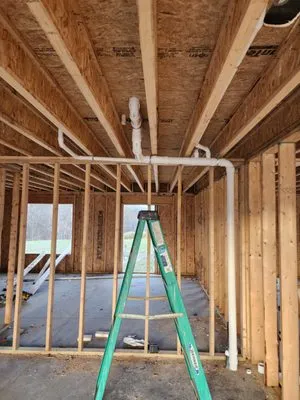
Quality Service Plumbing has been London, KY's trusted plumbing partner since 2009. As a licensed Master Plumber with over 15 years of experience, we provide comprehensive residential and commercial p...
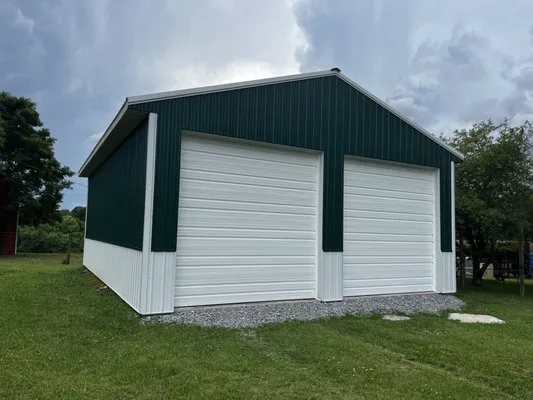
Modern Plumbing is your trusted local plumbing expert serving Russell Springs, KY, and the surrounding areas. We specialize in comprehensive plumbing solutions for homeowners, from routine repairs to ...
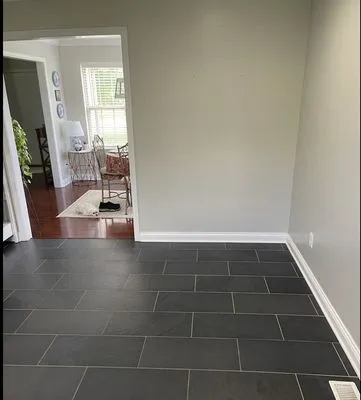
Bluegrass Home Repair is a licensed home repair and remodeling service based in Canmer, KY, specializing in comprehensive solutions for local homeowners. We handle bathroom and kitchen remodels, gener...
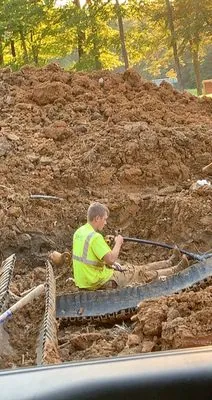
Kinnett Construction is a trusted, full-service construction and landscaping company serving Jamestown, KY, and the surrounding areas. We specialize in a wide range of services, including earthmoving,...
Clark Companies has been a trusted provider of garage door and plumbing services in Russell Springs, KY, since 2000. With over 32 years of combined experience, our team specializes in residential and ...

Morgeson Electric Heating & Ac
Morgeson Electric Heating & AC has been a trusted partner for Lebanon, Kentucky homeowners for over 20 years. We're a full-service, licensed, and insured contractor specializing in the electrical, plu...

Sapp's Plumbing is a trusted, locally-owned plumbing service in Campbellsville, KY, dedicated to helping homeowners maintain reliable and efficient plumbing systems. We specialize in thorough plumbing...

With over three decades in construction, I bring deep expertise in concrete and steel work to every project in Columbia and Adair County. My background includes years working for construction manageme...
Comptons Plumbing is your trusted, local plumbing expert serving Greensburg, KY, and the surrounding communities. We understand the unique challenges homeowners face here, from mineral-heavy water cau...
Estimated Plumbing Costs in Columbia, KY
Frequently Asked Questions
My house in Downtown Columbia was built in the early 70s. Should I be worried about the plumbing?
With copper pipes now over 50 years old, you are entering the typical failure window for that generation of material. Homeowners here are commonly seeing green corrosion spots on pipe joints and a noticeable drop in water pressure. This is often the first sign of internal scale buildup or the beginning of pinhole leaks. Proactive inspection of exposed pipes in basements and crawlspaces can help you catch issues before they become emergencies.
Who handles the permits if I need to replace my water heater or repipe my house?
Required permits are filed through Columbia City Hall Planning and Zoning, and all work must meet the Kentucky Department of Housing, Buildings and Construction codes. As a licensed master plumber, I handle that red tape directly—pulling permits, scheduling inspections, and ensuring the work passes code. This protects your investment and ensures everything is documented correctly for your home's records.
Are there different plumbing concerns for homes on well water versus city water in rural Adair County?
The systems are fundamentally different. Homes on well water need regular maintenance on the pressure tank, pump, and treatment systems for hardness or iron. Sediment filters clog frequently. For homes on municipal water, concerns shift to managing supply pressure and compliance with city codes for backflow prevention and meter installations. Knowing your water source dictates the maintenance schedule.
If I have a burst pipe, how long until a plumber can get to my house in Adair County?
Heading past the Adair County Courthouse onto Cumberland Parkway is the main dispatch route for service calls across the county. From there, reaching most homes in the Columbia area typically takes 20 to 30 minutes. We factor in local traffic and the specific neighborhood turn-offs to provide a reliable arrival window once you call.
Could the hilly land around town be causing my slow drains?
Absolutely. The slope of your property directly affects the drainage pitch of your main sewer line. On steep grades, sections of pipe can settle or develop low spots that trap debris and cause recurring clogs. Conversely, excessive slope can cause wastewater to outpace solids, leading to buildup. A camera inspection can diagnose if the hill is stressing your line's proper flow.
Does the hard water from Russell Creek ruin water heaters?
Yes, the mineral content that defines our hard water leads to significant scale buildup inside tanks and on heating elements. This insulating layer causes the heater to work harder, increasing energy bills and shortening the appliance's lifespan. We recommend annual flushing of the tank and inspecting the anode rod, which sacrifices itself to protect the tank from corrosion.
What's the most important thing to do for my pipes before a hard freeze in Columbia?
The key is to act before temperatures hit the mid-20s. Drain and disconnect all outdoor hoses, and insulate pipes in unheated spaces like crawlspaces or garages. A pro-tip for our temperate climate is to let a thin stream of cold water drip from the faucet farthest from your main valve during the coldest night of a freeze warning; moving water is much harder to freeze.
Why are my copper pipes from 1973 suddenly springing pinhole leaks?
Copper installed in that era is susceptible to a process called dezincification and erosion corrosion, accelerated by our water chemistry. Over five decades, this wear can manifest as pinhole leaks, often first appearing on hot water lines or at soldered joints. The leaks frequently start small, causing moisture stains on ceilings or walls, before progressing to a steady drip.
