Top Emergency Plumbers in Central City, KY, 42330 | Compare & Call

There are 19 plumbing companies server in Central City KY
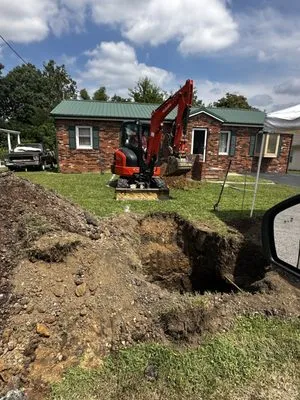
Since 1973, Sullivan's has been the trusted family name for plumbing and HVAC in Madisonville and across Western Kentucky. Founded by Bill Sullivan and now owned and operated by Tim and Tammy Cummins,...
Randy's Repairs is your trusted local expert for home inspections in Marion, KY. We specialize in comprehensive electrical and plumbing inspections designed to catch small problems before they become ...

Stewart’s Backhoe & Dozer is a locally owned and operated Beaver Dam business specializing in excavation, land work, and plumbing services for homes and construction sites. We understand that many hom...
Acme Plumbing & Heating
Founded in 1967 by Al Mattingly Sr., ACME Plumbing & Heating has been a trusted name in Owensboro, Kentucky, for over 50 years. Located on Old Henderson Road, we specialize in detailed residential and...

Showtime Plumbing in Cadiz, KY is your trusted local plumbing service with over 30 years of experience. As an experienced Master Plumber, we take pride in doing every job correctly the first time, ens...

Riley's Septic Service has been a trusted, locally owned and operated business in Owensboro, KY, for over 45 years. We specialize in a wide range of pumping services, including septic tank cleaning, g...

Bluegrass Home Inspection in Owensboro, KY, is a locally owned and operated inspection service with deep roots in the construction industry. Our team brings over 20 years of hands-on construction expe...

Situation Solutions is your trusted Sacramento, KY partner for deck construction, repair, and replacement, as well as comprehensive plumbing inspections. We understand the unique challenges local home...
On the Marc Plumbing is a trusted, licensed master plumbing service proudly serving Henderson, KY, and the surrounding region since 2009. Founded on a commitment to reliability and expert craftsmanshi...

Littlepage Plumbing
Littlepage Plumbing & Excavating is a trusted, family-owned plumbing service based right here in Saint Charles, KY. Founded in 2020 by owner Skylor, our business is built on decades of hands-on experi...
Estimated Plumbing Costs in Central City, KY
Question Answers
What permits or inspections are needed for plumbing work in Central City?
Central City Code Enforcement requires permits for most plumbing modifications beyond basic repairs. I handle the red tape with Kentucky Department of Housing, Buildings and Construction credentials, ensuring work meets current code standards. This includes pressure tests, proper venting, and backflow prevention where required. Licensed professionals coordinate inspections so homeowners avoid compliance issues that could affect insurance or resale.
What should I do to prepare my pipes for Central City winters?
Temperate climates like ours with winter lows around 26°F require specific freeze protection. Insulate pipes in unheated crawl spaces and along exterior walls before temperatures drop consistently below freezing. Keep cabinet doors open under sinks to allow warm air circulation. Let faucets drip during hard freezes to maintain water movement in vulnerable lines. These measures prevent the ice expansion that bursts pipes at joints and fittings.
Could the hilly landscape around Central City be affecting my drainage?
Hilly terrain like the slopes near Muhlenberg County Veterans Plaza creates gravitational stress on main sewer lines. Downward slope puts constant tension on pipe joints, potentially causing separation over time. Soil movement on inclines can shift pipe alignment, creating low spots where debris collects and blocks flow. Surface water runoff on hillsides sometimes infiltrates older sewer lines through cracks or loose joints during heavy rains.
Does Green River water cause problems for home plumbing systems?
Water from the Green River contains high mineral content that creates hard water scaling throughout plumbing systems. Scale buildup inside water heaters reduces efficiency by insulating heating elements and trapping sediment at the tank bottom. Fixtures develop reduced flow as mineral deposits accumulate in aerators and valve seats. This scaling accelerates wear on moving parts in toilets, faucets, and appliance valves.
My house in Central City Historic District was built in the 1970s - should I be worried about my plumbing?
Galvanized steel pipes installed around 1974 are now 52 years old. Homeowners in the Historic District are seeing widespread rust buildup and reduced water pressure as the interior walls of these pipes corrode. The zinc coating that protected the steel has worn away over decades, leaving bare metal exposed to water and minerals. This corrosion creates rough interior surfaces that trap sediment and restrict flow throughout the system.
Are there special plumbing considerations for homes in rural Central City areas?
Rural properties often combine municipal water with private septic systems. Well pressure tanks require regular maintenance to prevent sediment buildup that damages pumps and switches. Septic systems need proper slope and venting to function efficiently without backing up into household drains. Water softeners become essential for treating hard well water that accelerates fixture wear and scale accumulation.
How quickly can a plumber reach my home in Central City during an emergency?
Heading past Muhlenberg County Veterans Plaza on Western Kentucky Parkway provides efficient access to most Central City neighborhoods. This routing avoids downtown congestion while maintaining highway speeds for the majority of the trip. From our dispatch point, we typically reach residential calls within 20-30 minutes depending on specific location and traffic conditions.
Why do my galvanized pipes keep springing leaks even after repairs?
Galvanized steel from 1974 suffers from internal corrosion that weakens the entire pipe section. Pinhole leaks develop where rust has eaten through the thinnest areas of pipe wall. Joint calcification occurs as minerals cement threaded connections, making them brittle and prone to cracking under pressure changes. Once corrosion begins in one section, adjacent pipe often follows within months due to similar age and wear patterns.
