Top Emergency Plumbers in Anchorage, KY, 40223 | Compare & Call

There are 131 plumbing companies server in Anchorage KY
HuntCanFixIt is your trusted, local handyman and repair service right here in New Pekin, IN. We tackle a wide range of home projects, from appliance and plumbing repairs to full-scale construction lik...
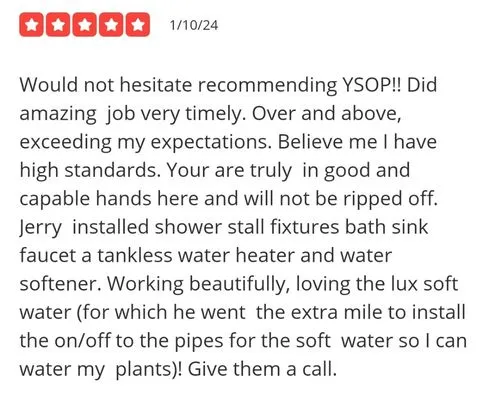
Your Second Opinion Plumbing is a locally owned and operated service serving New Albany, Indiana, and the surrounding communities. With a combined team experience of over 40 years, they provide honest...
Greenwell Plumbing Heating & Air
Greenwell Plumbing Heating & Air is a licensed and family-operated service provider serving New Albany, IN, and the wider Louisville area for more than three decades. Jason T. serves as the general ma...
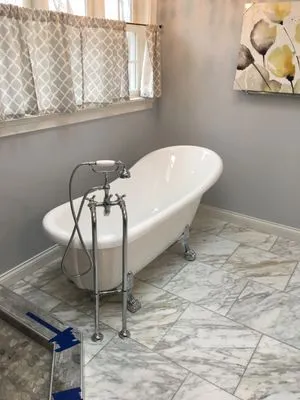
Heartland Mechanical is your trusted, full-service plumbing company in Palmyra, IN. We understand the common plumbing headaches facing local homeowners, from persistent bathroom drain buildup to stubb...
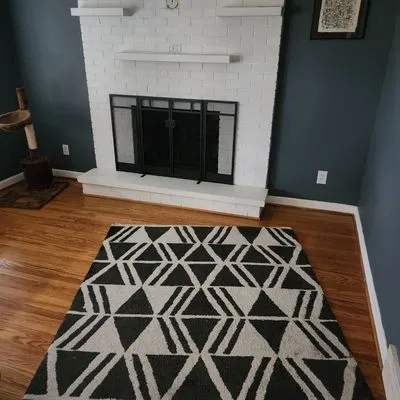
So In Handyman is a trusted, full-service handyman company serving Jeffersonville, IN, and the surrounding area. We provide reliable solutions for a wide range of home maintenance and repair needs, fr...
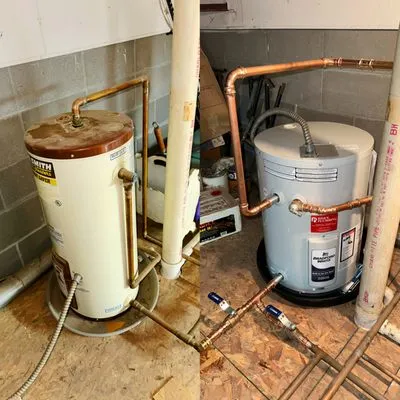
Risen Plumbing is a union-affiliated plumbing service provider serving New Albany, IN, and surrounding areas including Floyd County, Clark County, and Jefferson County. With 8 years of industry experi...
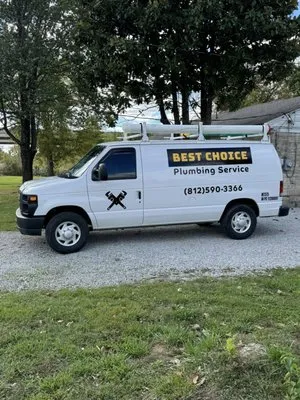
Best Choice Plumbing is a family-owned and operated plumbing service based in Jeffersonville, IN, with over 30 years of experience serving Southern Indiana and Kentucky communities. Licensed in both s...
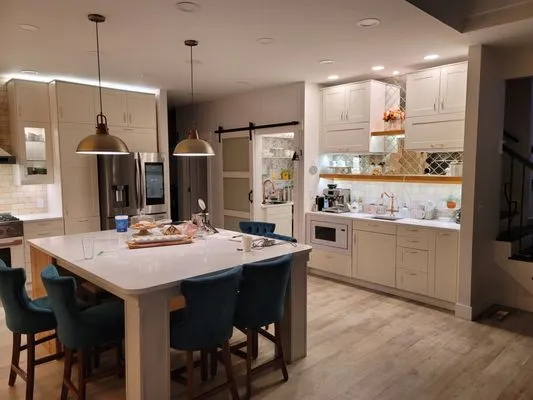
JJG Remodeling is a trusted home service provider in Jeffersonville, IN, with over 25 years of experience in plumbing, electrical work, and remodeling. We specialize in a wide range of services includ...
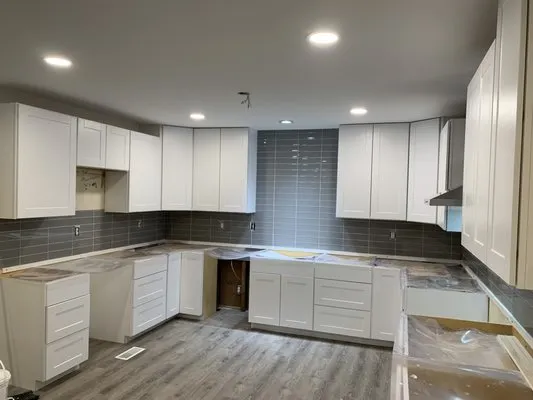
KPS Handyman Company in Charlestown, IN is a locally-owned business with over 20 years of experience in home repairs, remodeling, and handyman services. Founded by an engineer with 25 years of mechani...

M&M Home Medics is a trusted home services provider in Jeffersonville, IN, specializing in plumbing and home improvement solutions. Many local homes face common plumbing issues like sewer backups and ...
Estimated Plumbing Costs in Anchorage, KY
Frequently Asked Questions
Why are houses in Anchorage Center suddenly having so many plumbing problems?
Homes built here around 1970 now have copper pipes that are 56 years old. At this stage, the protective lining inside the copper has worn thin from decades of hard water flow. What you're seeing is the natural failure point where the metal becomes susceptible to pinhole leaks, especially at soldered joints that have endured thousands of thermal cycles. It's a predictable lifespan, not a coincidence affecting the neighborhood.
Who pulls the permits for a major plumbing repair in Anchorage?
My license with the Kentucky Department of Housing, Buildings and Construction covers that. For any significant work, I file the required paperwork with Anchorage City Hall Planning and Zoning directly. Handling that red tape is part of the job—it ensures the work is inspected and up to code, so you don't have to navigate the process yourself.
How quickly can a plumber get to Anchorage in an emergency?
A dispatch from our shop heads past Anchorage Trail onto I-265, which provides a direct route into the community. Barring major traffic, that route typically puts us on-site within 20 to 30 minutes. We factor in local conditions, but the highway access means we can often respond faster to Anchorage than to more remote areas without that corridor.
As a suburban home here, what unique plumbing issues should I watch for?
Municipal water pressure can fluctuate, and older copper systems from the 70s aren't always forgiving of those spikes, which can exacerbate weak points. Also, while we're not heavily forested, the mature trees common in Anchorage yards can still send feeder roots seeking water into older sewer laterals, especially at pipe joints, causing slow drains or blockages.
What's the most common plumbing repair for a 1970s Anchorage home?
Pinhole leaks in copper supply lines are the signature failure. After 56 years, the constant flow of hard, mineral-rich water erodes the pipe wall from the inside out, creating tiny perforations. You'll often find these leaks first at joints or elbows where turbulence accelerates wear. Repair usually involves cutting out the failed section and installing a new copper or PEX segment with proper fittings.
Could the hills in our area cause sewer line problems?
Yes, the hilly terrain around Anchorage Trail can stress main sewer lines. A lateral line running down a slope may experience soil shifting or settling over time, which can misalign pipe joints or create a low spot that collects debris. Proper grading and periodic camera inspections are recommended to identify these issues before they lead to a full backup.
Does our Ohio River water damage appliances?
The mineral content from the river leads to significant scale buildup. Inside a water heater, this sediment insulates the heating elements, forcing them to work harder and fail prematurely. On fixtures and showerheads, scale restricts flow and can corrode internal cartridges. A whole-house water softener is the most effective defense to protect your hardware from this accelerated wear.
What's one thing I should do before spring to avoid a plumbing disaster?
Disconnect and drain your outdoor garden hoses before the last freeze. A hose bib that freezes and bursts inside the wall is a common and costly spring thaw issue here. Insulating exposed pipes in crawl spaces is also wise, as our temperate climate still sees lows around 25°F, which is enough to freeze standing water in vulnerable lines overnight.
