Top Emergency Plumbers in Wellsville, KS, 66092 | Compare & Call

There are 44 plumbing companies server in Wellsville KS
Anthony Plumbing, Heating, Cooling & Electric
Anthony Plumbing, Heating, Cooling & Electric has been serving the Kansas City metro area since 1951, providing reliable plumbing, HVAC, and electrical services to Lenexa residents. With a legacy that...
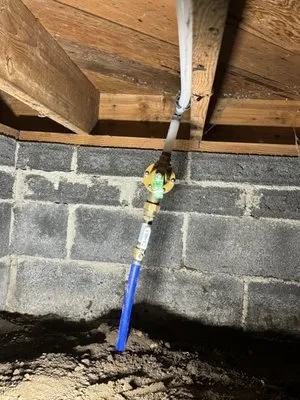
Razo’s Plumbing
Razo's Plumbing is a trusted, full-service plumbing company serving Olathe, KS homeowners and businesses. We specialize in comprehensive plumbing solutions, from routine repairs to complex installatio...
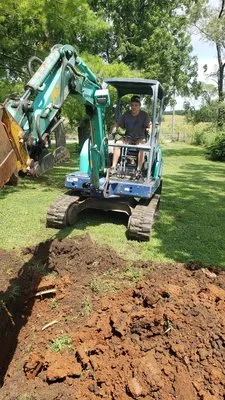
For Overbrook homeowners, McCain Plumbing is your trusted local partner for all residential plumbing needs. We understand the specific challenges in our community, such as dishwasher leaks and aging p...

Kane Plumbing is a trusted local plumbing service in Ottawa, KS, dedicated to helping homeowners tackle common plumbing emergencies. We specialize in drain repair, plumbing inspection, and plumbing re...
Integrity Plumbing Solutions is your trusted, local plumbing partner in Wellsville, KS. We specialize in both residential and commercial plumbing, handling everything from emergency repairs and leak f...
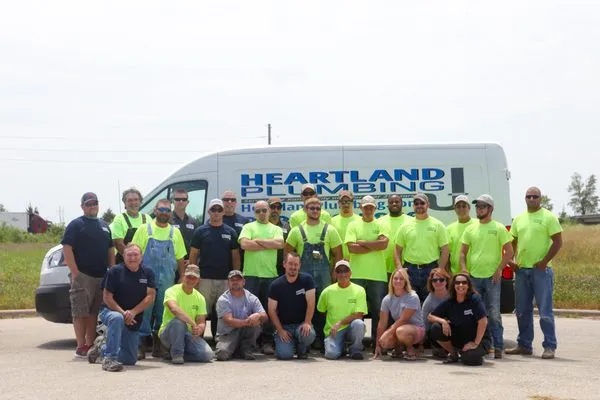
Since 1988, Heartland Plumbing has been a trusted, family-owned and operated plumbing service in the Kansas City area, now proudly serving Gardner and the surrounding communities. With over three deca...
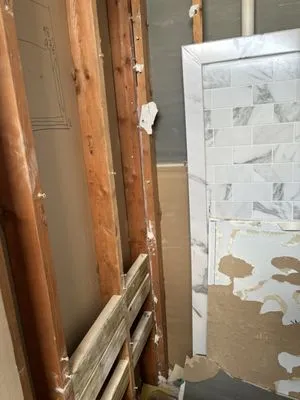
Five Star Bath Solutions of Kansas City KS
Hello, I'm Daniel Martins, owner of Five Star Bath Solutions of Kansas City KS. My team and I are dedicated to providing residents of Overland Park and the surrounding Kansas City area with reliable b...
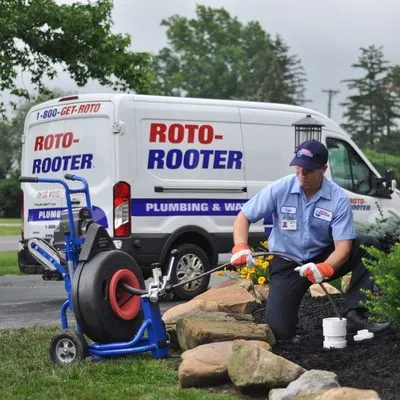
Roto-Rooter Plumbing & Water Cleanup
Roto-Rooter Plumbing & Water Cleanup in Lawrence, KS is a trusted local provider of comprehensive plumbing and water damage services. Our team of experienced professionals is available around the cloc...
A-1 Plumbing Heating Cooling Electrical
Founded in 1985, A-1 Plumbing Heating Cooling Electrical is a trusted, locally-owned service provider for Topeka, Lawrence, and Northeast Kansas. With a commitment to "Better, Cleaner, Faster" service...
P W Waterworks
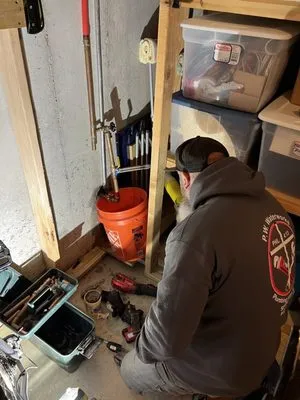
P W Waterworks is a family-owned and operated plumbing company serving Spring Hill, KS, and surrounding areas since 1999. Founded by licensed plumber Paul, who brings over 30 years of experience to ev...
Estimated Plumbing Costs in Wellsville, KS
Questions and Answers
What's the most common plumbing repair for older homes in Wellsville?
For homes with original 1970s galvanized steel, the most frequent failure is pinhole leaks caused by internal corrosion. The steel rusts from the inside out, especially at threaded joints where the pipe wall is thinnest. This calcification also severely restricts water flow. Replacing entire runs with modern materials like copper or PEX is the permanent solution, as patching one leak often leads to another nearby soon after.
Do I need a permit to replace the plumbing in my Wellsville home?
Most plumbing replacements, especially a full repipe, require a permit from the Wellsville City Clerk Office. As a master plumber licensed by the Kansas State Board of Technical Professions, I handle pulling that permit, scheduling inspections, and ensuring the work meets all code. This manages the red tape for you and guarantees the work is documented, which is important for both safety and your home's resale value.
Could the flat land around Wellsville City Lake be causing my slow drains?
The generally plain terrain here lacks the natural slope needed for ideal drainage. Over decades, this can allow soil and silt to settle in low sections of your home's main sewer line, creating a partial blockage. While not as dramatic as a hill, even a slight sag in the pipe can cause repeated drain problems. A video inspection can identify these specific low spots and determine if jetting or a section replacement is needed.
What's one thing I should do each year to avoid a frozen pipe disaster?
The most critical action is to disconnect and drain your garden hoses before the first hard freeze, which can dip to 19°F here. A forgotten hose allows water to back up into the exterior faucet and supply line, where it freezes and splits the pipe from the inside. Doing this in late fall, before the spring thaw cycle begins, prevents the most common and preventable winter plumbing emergency we see in this temperate climate.
Why does my water heater seem to fail so often, and is it related to our local water?
Water sourced from the Marais des Cygnes River basin is very hard, meaning it has high mineral content. This causes limescale to form rapidly inside water heater tanks and on heating elements. The scale acts as an insulator, forcing the heater to work harder and fail prematurely. Installing a whole-house water softener is the most effective way to protect your water heater and all your fixtures from this accelerated wear.
As a rural homeowner outside the city center, are my plumbing concerns different?
Yes, rural properties often rely on private wells and septic systems, which have unique maintenance needs. Well pump pressure switches and foot valves wear out. Septic systems require regular pumping every 3-5 years to prevent backups into the home. Municipal water pressure or sewer root intrusions aren't a concern, but you are responsible for the entire system from the well casing to the drain field.
If I call for an emergency, how quickly can a plumber get to my home in Wellsville?
Our standard dispatch from this area starts near Wellsville City Lake. Heading past the lake to I-35 gives us direct access to most of the city and surrounding rural routes. For a true emergency, we can typically be on-site within 45 to 60 minutes. We prioritize calls based on water damage risk, so a burst pipe will get a faster response than a slow drain.
My house in Wellsville City Center was built in the 70s. Should I be worried about my plumbing?
Plumbing installed in 1970 is now 56 years old, which is past the typical lifespan for galvanized steel pipe. Homeowners here often see a sharp increase in rust-related failures around this age. You might notice persistent low water pressure from scale buildup or brownish water. These are clear signs the pipe interior is deteriorating, and full replacement is often more cost-effective than repeated spot repairs.
