Top Emergency Plumbers in Wathena, KS, 66090 | Compare & Call

There are 31 plumbing companies server in Wathena KS
Razo’s Plumbing
Razo's Plumbing is a trusted, full-service plumbing company serving Olathe, KS homeowners and businesses. We specialize in comprehensive plumbing solutions, from routine repairs to complex installatio...

Aegis Fire Protection
Aegis Fire Protection LLC has been a trusted provider of comprehensive fire safety and related plumbing services for the Kansas City Metro and Springfield, MO areas since 2007. Based in Overland Park,...
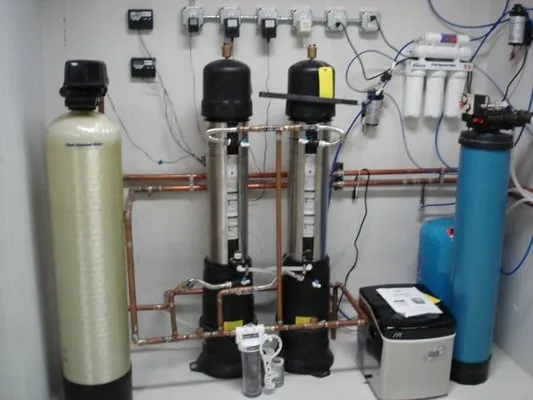
Fresh KC Water is a locally owned and operated water treatment company serving Shawnee, KS, and the greater Kansas City area for over 30 years. Specializing in residential water treatment equipment, t...
Priority U
Priority U is a family-owned restaurant repair service established in 1998, dedicated to putting Kansas City clients first. With over two decades of industry experience, founder Terry built the compan...
Howards is a trusted, family-owned service provider in Overland Park, KS, specializing in both plumbing and lawn care solutions for local homeowners. With services ranging from garbage disposal instal...
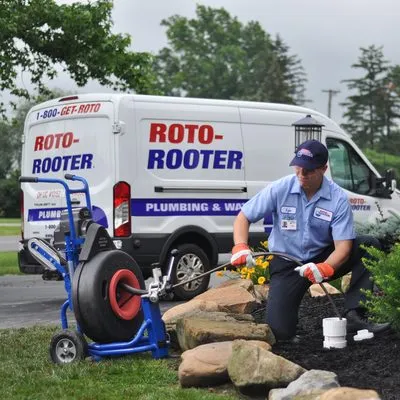
Roto-Rooter Plumbing & Water Cleanup
Roto-Rooter Plumbing & Water Cleanup in Saint Joseph, MO provides comprehensive plumbing and water damage services for local homes and businesses. Our team is available 24/7 for emergencies, including...

St Joseph Plumbing & Heating is a trusted, full-service provider for homeowners in Saint Joseph, MO. We understand the specific challenges local residents face, from the freeze-thaw cycles that stress...
Paschal Air, Plumbing & Electric
Paschal Air, Plumbing & Electric has been providing trusted service to the St Joseph community since 1968. Founded by Randall Paschal and now led by Charley Boyce, the company has grown through a stea...
A-Rite provides comprehensive plumbing services for homes and businesses in Saint Joseph, MO, addressing everything from routine repairs to major installations. Our licensed technicians are experts in...
Citywide Plumbing brings extensive expertise to St Joseph, Missouri, with a background that includes Texas master plumber, Oklahoma plumbing contractor, and Saint Joseph journeyman plumber credentials...
Estimated Plumbing Costs in Wathena, KS
Frequently Asked Questions
How quickly can a plumber reach my house in Wathena?
Heading past Wathena City Park on US-36 gets me to most calls in 20-30 minutes. I plan routes to avoid school zones during peak hours. For emergencies like burst pipes, I keep a truck stocked with common fittings for galvanized systems to minimize return trips.
As a rural Wathena homeowner, what unique plumbing concerns should I watch for?
Rural properties often have private wells and septic systems. Well pumps and pressure tanks need annual checks for hard water scaling. Septic systems require pumping every 3-5 years depending on household size. Unlike municipal systems, you're responsible for the entire water supply and waste disposal infrastructure.
Could Wathena's hills be causing my drainage issues?
Hilly terrain around Wathena City Park creates uneven stress on main sewer lines. Downslope sections experience higher pressure that can crack older pipes, while upslope areas may collect debris. Soil erosion from slopes can expose or damage underground lines. Proper grading around your foundation helps direct water away from vulnerable plumbing.
Does Missouri River water damage my plumbing fixtures?
Hard water from the Missouri River causes scale buildup that reduces flow and efficiency. Water heaters accumulate sediment that shortens their lifespan and increases energy costs. Fixtures like showerheads and faucet aerators clog faster, requiring regular cleaning or replacement every few years.
What should I do before spring thaw to avoid plumbing problems?
Insulate exposed pipes in unheated areas like basements or crawlspaces before temperatures drop to 18°F. Disconnect and drain outdoor hoses to prevent backflow freezing. During spring thaw, check for new leaks as ground shifting can stress older galvanized lines. A pro-tip: keep your thermostat at a consistent temperature day and night during cold snaps.
My Wathena home was built in the early 1970s—should I be worried about my plumbing?
Galvanized steel pipes installed around 1973 are now 53 years old. Homeowners in Wathena City Center are seeing rust-colored water, reduced water pressure, and frequent leaks at threaded joints. The zinc coating has worn away, leaving bare steel that corrodes from the inside out. Expect to replace sections or consider a full repipe before failures become widespread.
Do I need permits for plumbing work in Doniphan County?
Doniphan County Zoning and Planning requires permits for most plumbing modifications, especially when replacing main lines or altering septic systems. As a master plumber licensed by the Kansas State Board of Technical Professions, I handle the red tape so you don't have to. This includes submitting plans, scheduling inspections, and ensuring all work meets current codes.
Why do my pipes keep springing small leaks?
Galvanized steel from 1973 develops pinhole leaks as corrosion eats through the pipe walls. Joint calcification is also common—mineral deposits build up at connections, creating stress points that crack. These failures often start in hidden areas like crawlspaces, so listen for dripping sounds behind walls.
