Top Emergency Plumbers in Smoky Hill, KS, 66441 | Compare & Call

There are 234 plumbing companies server in Smoky Hill KS

Bowers Plumbing Heating & Air
Bowers Plumbing Heating & Air is a family-owned plumbing company serving Wichita, KS, and the surrounding areas since 1955. Founded by John Milton Bowers with a commitment to exceptional customer serv...

Action Heating And Cooling
Action Heating Cooling and Plumbing is a trusted, locally-owned HVAC and plumbing contractor serving Wichita and the surrounding areas. As a licensed professional, I am dedicated to providing reliable...
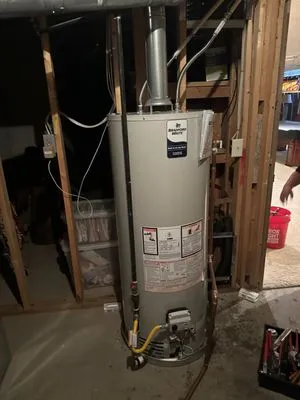
Reaper Plumbing is a trusted local plumbing service in Wichita, KS, dedicated to keeping homes and businesses running smoothly. We specialize in a comprehensive range of services, from routine faucet ...

Eck Services
Eck Services has been a trusted provider of electrical, plumbing, and HVAC solutions for Wichita homes and businesses for over 20 years. Founded by master-licensed professional Travis Eck, who grew up...
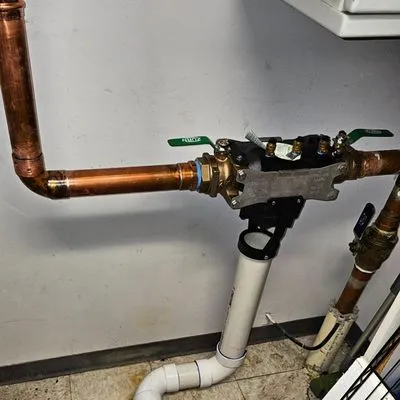
Sooter Plumbing and Mechanical is a locally owned and operated plumbing and mechanical service provider based in Augusta, KS. We offer comprehensive residential and commercial plumbing solutions, incl...

Plumber Of The Plains is Derby's trusted, full-service plumbing partner. We understand that homes in our area frequently face stubborn drain clogs and leaks at pipe joints, issues that can quickly esc...
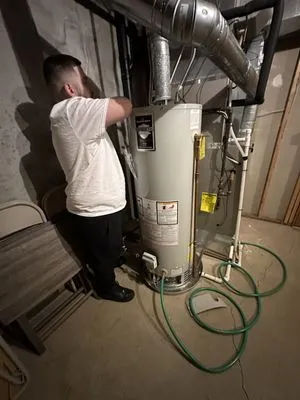
Express Plumbing ICT is a trusted plumbing service provider in Wichita, KS, offering reliable solutions for both residential and commercial clients. Our team specializes in a comprehensive range of se...
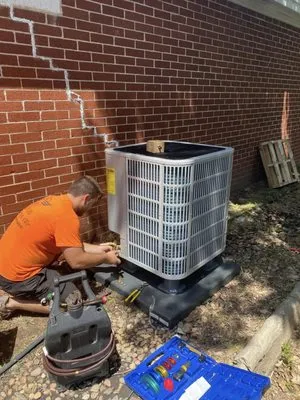
Alpha HVAC & Plumbing is a veteran-owned, locally operated company serving Wichita, KS, with over 35 years of experience in the trade. Founded on principles of honesty and integrity, we provide transp...
The Real McCoy Plumbing is a trusted, full-service plumbing company serving Wichita, KS, and surrounding communities. We specialize in a comprehensive range of residential and commercial plumbing serv...
Sanders Plumbing LLC is a Wichita-based plumbing service founded in April 2024 by a hands-on owner dedicated to serving the community. We were started to provide reliable, affordable plumbing solution...
Estimated Plumbing Costs in Smoky Hill, KS
Common Questions
How quickly can a plumber get to Smoky Hill, KS in an emergency?
From our shop, a typical dispatch route has us heading past the Smoky Hill River to access I-70, which provides a direct path into the area. For urgent calls, we plan for a 45 to 60 minute response window. We factor in rural road conditions and traffic to give you a realistic arrival time so you know what to expect.
Does the hard water from the Smoky Hill River damage my appliances?
Yes, the mineral content that makes our water hard leads to scale buildup. Inside a water heater, this scale acts as an insulator on the heating elements, forcing the unit to work harder and fail sooner. On fixtures, it clogs aerators and showerheads, reducing flow. A whole-house water softener is the most effective defense to protect your hardware from the river's mineral load.
Could the flat land here cause drainage problems for my home's plumbing?
The plain terrain around Smoky Hill River means there is very little natural slope for drainage. This can put constant, low-grade hydrostatic pressure on your home's main sewer line as it tries to move effluent away. Over years, this stress can cause the line to sag or develop belly leaks, especially in older clay or cast iron pipes common to homes of this era.
Do I need a permit to replace my water heater in Saline County?
Yes, Saline County Planning and Zoning requires a permit for water heater replacement to ensure the installation meets current code for safety and energy efficiency. As a Master Plumber licensed by the Kansas State Board of Technical Professions, I handle pulling that permit and scheduling the required inspection. My credentials mean I manage the red tape so you don't have to, and the work is guaranteed to be compliant.
Our Smoky Hill Estates house was built around 1988. Should I be worried about my plumbing?
Your copper pipes are now 38 years old. That is the typical lifespan for copper in our area. Many homeowners in Smoky Hill Estates are now seeing the first signs of wear, like a persistent drop in water pressure or a faint blue-green stain under a pipe connection. This is the age where pinhole leaks from internal corrosion start to become common. Proactive inspection now can prevent a major water damage event later.
As a rural homeowner, what's different about maintaining my plumbing system?
Your system is self-contained, relying on a private well and septic tank. This means you are responsible for the entire water cycle, from the pump pressure switch to the drain field. Common rural issues include sediment from the well clogging fixtures and the need for regular septic pumping every 3-5 years. Municipal pressure or sewer backups are not your concern, but pump failures or drain field saturation are.
What's the most important spring plumbing maintenance for our Kansas weather?
The critical task is checking all exterior hose bibs for freeze damage before the first use. Our winter lows around 18 degrees can cause pipes to crack, and the damage only reveals itself during the spring thaw when you turn the water on. A pro-tip is to feel along the pipe for cold spots or moisture while the water is running slowly. Catching a split bib early prevents a flooded foundation.
Why do I keep getting pinhole leaks in my copper pipes?
Copper installed in 1988 is susceptible to pinhole leaks due to a combination of age and our hard water. Over 38 years, the mineral scale from the water can create localized corrosion cells inside the pipe wall. This corrosion eats through from the inside, eventually creating a tiny leak. It often happens at solder joints or where the pipe is under consistent stress.
