Top Emergency Plumbers in Sherlock, KS, 67838 | Compare & Call

There are 18 plumbing companies server in Sherlock KS
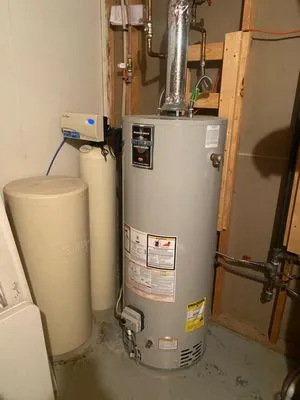
Lozar Plumbing
Lozar Plumbing is a trusted, full-service plumbing and construction contractor serving homeowners and businesses across Garden City, KS. We specialize in comprehensive home improvements, from kitchen ...
Heinz Plumbing is a trusted plumbing service in Garden City, KS, dedicated to providing reliable and timely solutions for local residents. We specialize in plumbing inspections and addressing common l...

Tatro Plumbing
Tatro Plumbing, a trusted name in Garden City since 1952, is a full-service plumbing and HVAC contractor led by President Mr. Sanchez. With a decade of hands-on experience that began as an apprentice,...
Johnson Septic Tank Service & Plumbing
Johnson Septic Tank Service & Plumbing LLC is a trusted, locally-owned provider in Garden City, KS, specializing in the complete care of residential and commercial septic systems. Our licensed and ins...
RJ's Plumbing & General Contracting
RJ's Plumbing & General Contracting is your trusted local plumbing and remodeling expert serving Garden City, KS. We specialize in a comprehensive range of services, from bathroom remodeling and fixtu...
Pyramid Plumbing is your trusted, local plumbing expert serving Garden City, KS. We specialize in providing reliable solutions for the common plumbing issues homeowners face, such as stubborn drain cl...
B T Plumbing Company is your trusted local plumbing expert serving Garden City, KS. We specialize in thorough plumbing inspections to help homeowners proactively identify and address common local issu...
Bunney Plumbing Service is a trusted, local plumbing company serving Garden City, KS, and the surrounding area. We specialize in professional plumbing inspections and repairs, helping homeowners tackl...
Keller Plumbing Service is your trusted local plumbing expert in Garden City, KS, dedicated to keeping homes and businesses running smoothly. We specialize in thorough plumbing inspections that proact...

Garden True Value has been a trusted part of Garden City since 1989. Founded by Von Hunn, our mission is to serve our neighbors by providing the goods and services they need, all while supporting a do...
Estimated Plumbing Costs in Sherlock, KS
Questions and Answers
What's the most important spring plumbing maintenance for Sherlock's climate?
Before the spring thaw hits its peak, disconnect and drain your garden hoses. A hose bib that freezes and cracks over our 18-degree winter nights can leak water inside your wall once the pipe thaws fully. I also recommend checking the crawlspace or basement for any moisture that wasn't present during drier winter months. A small drip from a winter freeze event often reveals itself as the weather warms.
Could the flat land around here cause plumbing drainage problems?
The plain terrain around Finney County means drainage relies entirely on proper pipe slope. If a sewer line settles even slightly over time, it can lose its necessary grade. This leads to chronic slow drains and waste buildup in the line, not a sudden clog. We often use a camera inspection to diagnose this, looking for standing water in the pipe between your house and the main, especially in areas with heavy clay soil.
How long does it take a plumber to get to my house in Sherlock after I call?
From my shop, heading past the Finney County Historical Museum on US-83 is the main route into most neighborhoods. A typical dispatch during business hours takes 45 to 60 minutes. That includes travel time and gathering the specific parts for copper repairs, which I keep stocked. For after-hours emergencies, I can be on the road in under 20 minutes using the same route.
Do I need a permit to replace a water heater or re-pipe my house in Sherlock?
Yes, Finney County Planning and Zoning requires permits for major plumbing work like water heater replacements or re-piping. As a Master Plumber licensed by the Kansas State Board of Technical Professions, I pull those permits and schedule the required inspections. This ensures the work meets current code for safety and insurance purposes. My job is to handle that red tape so you don't have to worry about compliance or future issues when selling your home.
Why do my copper pipes keep springing pinhole leaks?
Pinhole leaks in 1980s copper are often due to micro-corrosion from our hard water over four decades. The mineral scale inside the pipes creates a corrosive environment that eats through the thinnest sections, usually at solder joints or where pipes touch framing. It's a systemic issue for this vintage, not a flaw in your home. Repairs often involve cutting out the failed section and installing a new coupling, but whole-house re-piping may become more economical than repeated fixes.
Does the well water in Sherlock damage water heaters and faucets?
Yes, the hard water from the Ogallala Aquifer accelerates wear. Dissolved minerals precipitate as scale, which coats heating elements and narrows pipe diameters. Your water heater will lose efficiency and may fail years early due to sediment buildup. On fixtures, scale clogs aerators and cartridge valves, leading to low flow. Installing a quality whole-house water softener is the most effective defense to protect your plumbing investment.
Our copper pipes were installed in the 80s. What kind of problems should I expect in a Sherlock home now?
Your copper plumbing is around 42 years old, which is the typical lifespan for this material. In homes built near Sherlock Town Center in 1984, we're now seeing widespread pinhole leaks, especially in hot water lines. The constant expansion and contraction from decades of use, combined with our hard water, has thinned the pipe walls. You might notice a small, persistent drip under a sink or a discolored spot on drywall before a leak becomes a major issue.
Are there special plumbing concerns for a rural home in Finney County?
Rural homes here typically have a private well and a septic system, not municipal connections. That means you're responsible for the entire system from aquifer to drain field. Well pump failures, pressure tank issues, and septic field maintenance are common. It's crucial to know the location and access points of your septic tank for pumping every 3-5 years, as neglect can lead to a much costlier backup or field replacement.
