Top Emergency Plumbers in Seneca, KS, 66538 | Compare & Call

There are 236 plumbing companies server in Seneca KS
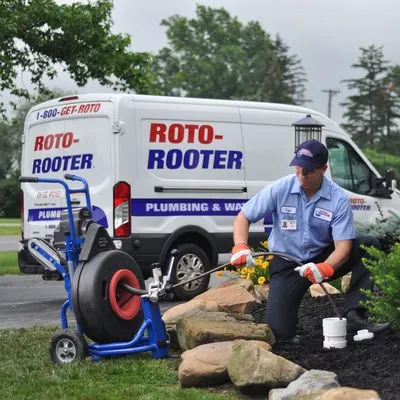
Roto-Rooter Plumbing & Water Cleanup
Roto-Rooter Plumbing & Water Cleanup is Omaha's trusted 24/7 emergency plumbing and water damage restoration service. With same-day availability and a fully staffed team ready year-round, we handle ev...
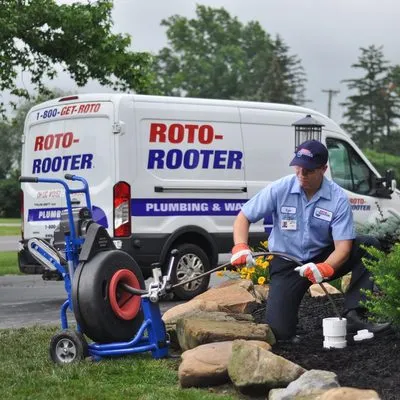
Roto-Rooter Plumbing & Water Cleanup
Roto-Rooter Plumbing & Water Cleanup in Bellevue, NE, is your trusted local partner for plumbing and restoration services, operating 24 hours a day, seven days a week. We are fully staffed with depend...
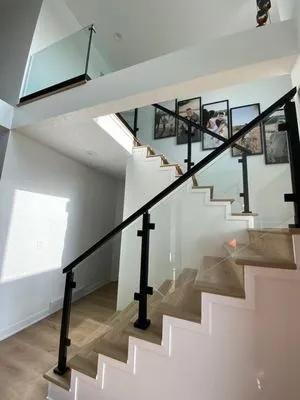
Bishop Plumbing & Heating
Bishop Plumbing & Heating has been a trusted plumbing and HVAC contractor serving Nebraska City, NE, since 1976. As a family-owned business with over 45 years of experience, we provide reliable plumbi...
Fud & Tracy's Plumbing & Heating is a trusted, locally-owned company serving Wahoo, NE, and the surrounding area. We understand the common plumbing headaches that Wahoo homeowners face, from stubborn ...
Water Treatment Pros
Water Treatment Pros in Lincoln, NE, is your local, independent expert for clean, reliable water and dependable plumbing. We are Hydrotech and Canature certified technicians with a Master Plumber on s...
Select Heating & Air
Select Heating & Air is a family-owned and operated business in Lincoln, NE, founded by co-owners Chris Caudy and Josh Shoemaker. With over 14 years of experience serving the Lincoln area in plumbing,...
Wellmann Plumbing
Wellmann Plumbing has been serving Lincoln, NE, and surrounding areas since 1984, providing reliable plumbing solutions for both residential and commercial properties. As a licensed plumbing company, ...
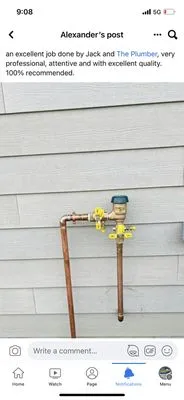
The Plumber provides reliable plumbing services to Lincoln, Crete, Eagle, and Hickam. For over 20 years, we've been the local team you can depend on, whether you're dealing with an urgent burst pipe, ...

Reddick Plumbing
Reddick Plumbing is a trusted Lincoln, NE, plumbing company serving the local community with reliable solutions for common household and commercial issues. We understand the specific challenges Lincol...
Biggerstaff Plumbing Heating & Air
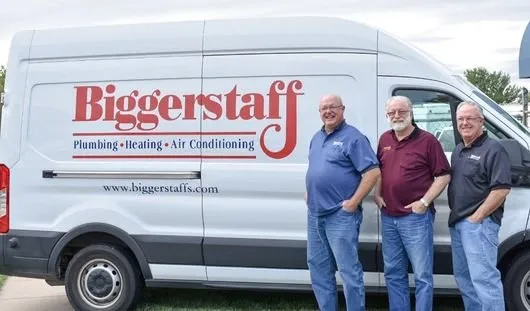
Biggerstaff Plumbing Heating & Air is a family-owned and operated Lincoln institution, founded in 1957 by Keith Biggerstaff. What began as a humble operation from a garage in Havelock has grown into a...
Estimated Plumbing Costs in Seneca, KS
Frequently Asked Questions
What's the most important thing to do before spring in Seneca to avoid plumbing problems?
Before the spring thaw peaks, disconnect and store your garden hoses. A hose left connected traps water in the outdoor faucet, which can freeze, expand, and crack the pipe inside your wall. That crack often goes unnoticed until you turn the faucet on in spring, causing a flood. This simple pro-tip is the single most effective way to prevent a common seasonal emergency in our temperate climate.
Could the flat land around here be causing my slow drains?
The plain terrain around Nemaha County Courthouse can complicate drainage. With minimal natural slope, waste lines rely on precise grading to maintain flow. Over time, soil settling or root intrusion can create low spots where water and debris collect, leading to chronic slow drains or blockages. A video inspection of your main sewer line can identify these specific grade issues before they cause a complete backup.
How quickly can a plumber get to my house in Seneca if I have a burst pipe?
For a true emergency, our dispatch route is direct. Heading past the Nemaha County Courthouse on US-36 gets us a clear path across the county. From our shop, that puts most Seneca addresses within a 20 to 30 minute window, traffic permitting. We prioritize calls that involve active flooding to prevent water damage to your home's structure.
As a rural homeowner near Seneca, what unique plumbing systems should I maintain?
Your primary focus should be on your private well and septic system, not city lines. Well components like the pressure tank and switch need periodic checks. For your septic system, have the tank pumped every 3-5 years based on household size; neglecting this is the main cause of drain field failure. Municipal codes don't govern these, so proactive maintenance falls entirely to the homeowner.
Does the hard water from Nemaha State Lake ruin water heaters?
Yes, the hard water prevalent here directly shortens water heater lifespan. Minerals from the lake water precipitate out as scale, forming an insulating layer on the heater's elements or gas burner. This forces the unit to work harder, increasing energy bills, and the buildup can eventually cause overheating and tank failure. An annual flush of the tank and installing a whole-house water softener are the most effective countermeasures.
Why do my copper pipes keep springing pinhole leaks?
Copper installed in 1973 is susceptible to pinhole leaks due to a process called Type 1 pitting. Over decades, hard water accelerates localized corrosion inside the pipe, creating weak spots that eventually perforate. It's a common technical failure for copper of this vintage. The fix often involves cutting out the compromised section and soldering in a new piece, or considering a more durable material for that line.
Who handles the permits if I need to replace my main water line in Seneca?
Permits are coordinated through the Seneca City Clerk's Office, and all work must comply with Kansas Unified Plumbing Code. As a licensed master plumber, my credentials are filed with the Kansas Attorney General's Office. I handle that red tape, including inspections, so you don't have to navigate the bureaucracy. Your only job is to approve the plan and schedule.
My home in Downtown Seneca was built in the 70s. What should I expect from my plumbing now?
Homes built around 1973 have copper pipes that are over 50 years old. In Downtown Seneca, that age means we're seeing a predictable pattern of pinhole leaks, especially in hot water lines. The copper walls have thinned from decades of water flow and mineral interaction. This doesn't mean a total failure is imminent, but it's wise to budget for targeted repairs or selective repiping of the most vulnerable sections.
