Top Emergency Plumbers in Salem, KS, 67037 | Compare & Call

There are 181 plumbing companies server in Salem KS
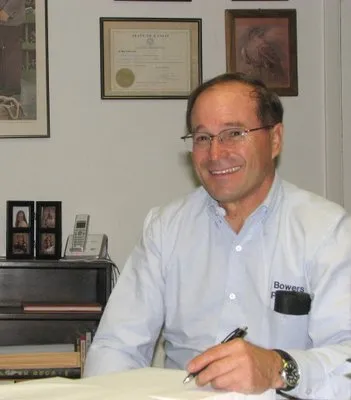
Bowers Plumbing Heating & Air
Bowers Plumbing Heating & Air is a family-owned plumbing company serving Wichita, KS, and the surrounding areas since 1955. Founded by John Milton Bowers with a commitment to exceptional customer serv...

Action Heating And Cooling
Action Heating Cooling and Plumbing is a trusted, locally-owned HVAC and plumbing contractor serving Wichita and the surrounding areas. As a licensed professional, I am dedicated to providing reliable...
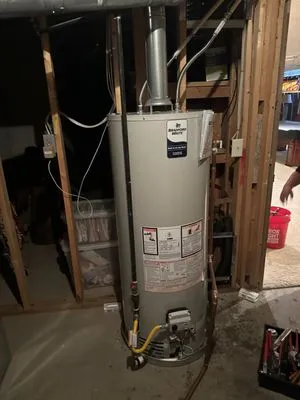
Reaper Plumbing is a trusted local plumbing service in Wichita, KS, dedicated to keeping homes and businesses running smoothly. We specialize in a comprehensive range of services, from routine faucet ...
Affordable Plumbing in Wichita, KS, is a trusted local plumbing service dedicated to helping homeowners tackle common plumbing issues efficiently and affordably. Specializing in a comprehensive range ...
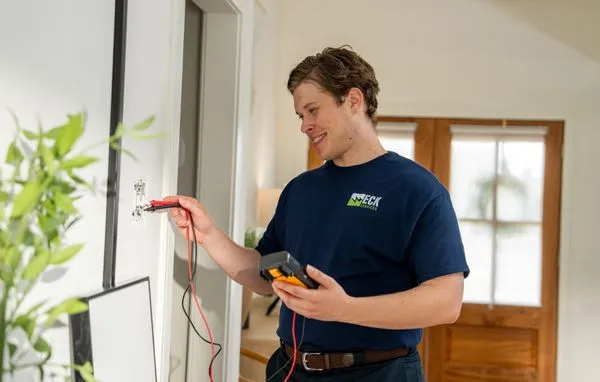
Eck Services
Eck Services has been a trusted provider of electrical, plumbing, and HVAC solutions for Wichita homes and businesses for over 20 years. Founded by master-licensed professional Travis Eck, who grew up...
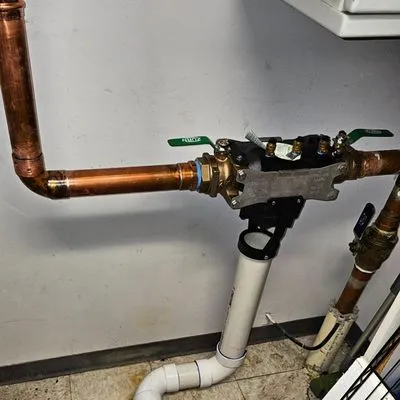
Sooter Plumbing and Mechanical is a locally owned and operated plumbing and mechanical service provider based in Augusta, KS. We offer comprehensive residential and commercial plumbing solutions, incl...

Plumber Of The Plains is Derby's trusted, full-service plumbing partner. We understand that homes in our area frequently face stubborn drain clogs and leaks at pipe joints, issues that can quickly esc...
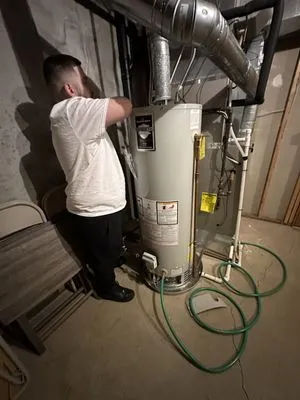
Express Plumbing ICT is a trusted plumbing service provider in Wichita, KS, offering reliable solutions for both residential and commercial clients. Our team specializes in a comprehensive range of se...
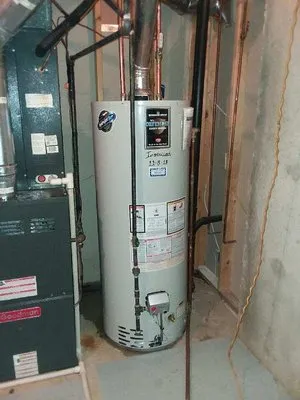
For over 45 years, David Lies Plumbing has been a trusted, family-owned name serving the plumbing needs of Wichita homes and businesses. Founded in 1978, we provide a full range of services from emerg...
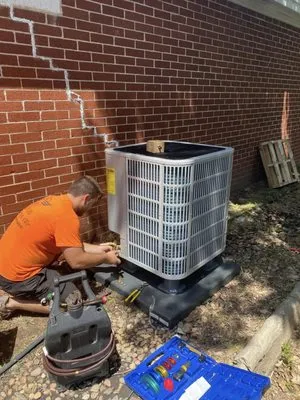
Alpha HVAC & Plumbing is a veteran-owned, locally operated company serving Wichita, KS, with over 35 years of experience in the trade. Founded on principles of honesty and integrity, we provide transp...
Estimated Plumbing Costs in Salem, KS
FAQs
Who handles permits and regulations for plumbing work in Jewell County?
I manage all necessary permits through Jewell County Planning and Zoning and maintain current licensing with the Kansas State Board of Technical Professions. This includes septic system approvals, well modifications, and any structural plumbing changes. Having proper credentials ensures work meets Kansas code requirements and protects your home's value. I handle the red tape so you don't have to worry about compliance issues.
What should I do to prepare my plumbing for spring thaw in Salem's temperate climate?
Before spring thaw when temperatures can drop to 18°F, disconnect and drain outdoor hoses to prevent backflow freezing. Insulate exposed pipes in crawl spaces and basements, even in our temperate climate. Check for leaks at hose bibs and irrigation systems that may have developed over winter. A pro-tip: keep cabinet doors open on cold nights to allow warm air to circulate around pipes.
What causes pinhole leaks in older copper plumbing systems?
Copper pipes from 1981 often develop pinhole leaks due to a combination of age-related corrosion and local water conditions. Electrolytic reactions between the copper and minerals in hard water create weak spots that eventually perforate. Joint calcification from decades of mineral buildup also stresses connections. These failures typically start in areas with turbulent water flow, like elbows and tees.
How quickly can a plumber reach my home in Salem during an emergency?
Heading past Salem City Park on US-75, our dispatch route covers most of Salem within 45-60 minutes. We prioritize calls based on urgency, with water leaks and no-heat situations getting immediate attention. Knowing the main roads like US-75 helps us navigate efficiently, even during peak times. This response window is standard for rural areas like ours.
How does hard water from private wells affect my home's plumbing fixtures?
Hard water from private wells deposits scale inside pipes, water heaters, and fixtures over time. This mineral buildup reduces flow rates, decreases water heater efficiency by up to 30%, and shortens appliance lifespans. Faucet aerators and showerheads clog frequently, requiring regular cleaning. Installing a whole-house water softener protects your investment and maintains water quality.
Why are my 45-year-old copper pipes suddenly failing in Downtown Salem?
Copper plumbing installed around 1981 has reached a critical age where internal corrosion and wear become apparent. Homeowners in Downtown Salem are now seeing pinhole leaks, reduced water pressure, and discolored water as the pipe walls thin. This gradual degradation accelerates after four decades of service, especially with our local water chemistry. Addressing these issues early prevents more extensive damage to walls and foundations.
Does the flat terrain around Salem City Park affect my home's drainage system?
The plain terrain around Salem City Park creates minimal natural slope for drainage, which can lead to water pooling near foundations. This puts constant hydrostatic pressure on your main sewer line and can cause backups during heavy rains. Proper grading away from the house is essential, and French drains may be necessary in some locations. Regular main line cleaning prevents root intrusion and blockages in these conditions.
What plumbing considerations are unique to rural homes with private wells and septic systems?
Rural homes with private wells require regular water testing and proper pressure tank maintenance to ensure consistent flow. Septic systems need pumping every 3-5 years and careful monitoring of what goes down drains. Well pumps and pressure switches often fail after 10-15 years of continuous use. Unlike municipal systems, you're responsible for the entire water delivery and waste removal chain.
