Top Emergency Plumbers in Reno, KS, 67501 | Compare & Call

There are 231 plumbing companies server in Reno KS
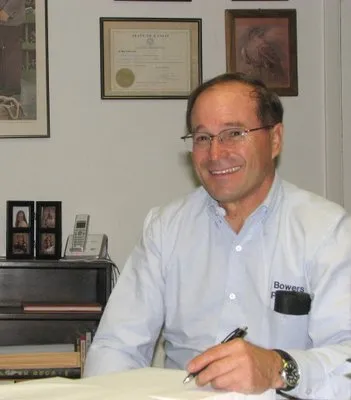
Bowers Plumbing Heating & Air
Bowers Plumbing Heating & Air is a family-owned plumbing company serving Wichita, KS, and the surrounding areas since 1955. Founded by John Milton Bowers with a commitment to exceptional customer serv...

Action Heating And Cooling
Action Heating Cooling and Plumbing is a trusted, locally-owned HVAC and plumbing contractor serving Wichita and the surrounding areas. As a licensed professional, I am dedicated to providing reliable...
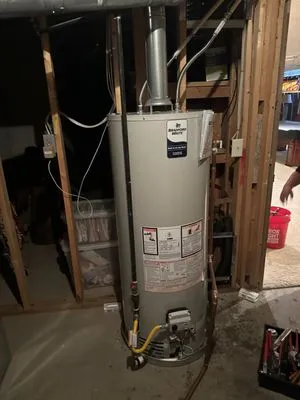
Reaper Plumbing is a trusted local plumbing service in Wichita, KS, dedicated to keeping homes and businesses running smoothly. We specialize in a comprehensive range of services, from routine faucet ...
Affordable Plumbing in Wichita, KS, is a trusted local plumbing service dedicated to helping homeowners tackle common plumbing issues efficiently and affordably. Specializing in a comprehensive range ...

Eck Services
Eck Services has been a trusted provider of electrical, plumbing, and HVAC solutions for Wichita homes and businesses for over 20 years. Founded by master-licensed professional Travis Eck, who grew up...
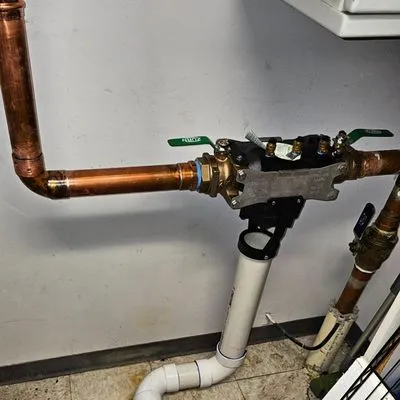
Sooter Plumbing and Mechanical is a locally owned and operated plumbing and mechanical service provider based in Augusta, KS. We offer comprehensive residential and commercial plumbing solutions, incl...

Plumber Of The Plains is Derby's trusted, full-service plumbing partner. We understand that homes in our area frequently face stubborn drain clogs and leaks at pipe joints, issues that can quickly esc...
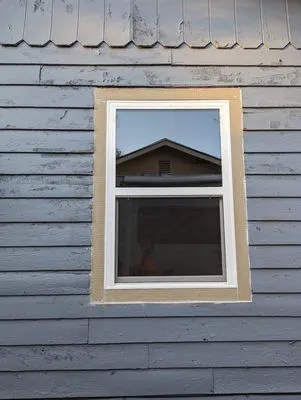
Friendly Handyman LLC is a trusted, full-service handyman company serving Wichita and the surrounding areas. We provide professional, reliable solutions for the wide variety of maintenance and repair ...
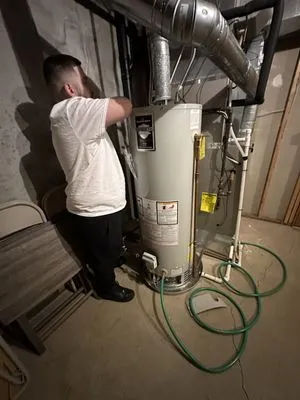
Express Plumbing ICT is a trusted plumbing service provider in Wichita, KS, offering reliable solutions for both residential and commercial clients. Our team specializes in a comprehensive range of se...
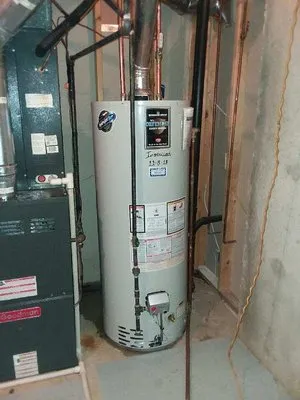
For over 45 years, David Lies Plumbing has been a trusted, family-owned name serving the plumbing needs of Wichita homes and businesses. Founded in 1978, we provide a full range of services from emerg...
Estimated Plumbing Costs in Reno, KS
Frequently Asked Questions
Are septic systems common in Reno's rural areas?
Most rural properties in Reno Township rely on septic systems rather than municipal sewer connections. These systems require regular maintenance given our hard water conditions—mineral buildup can clog drain fields and damage pumps. Well water systems need additional filtration to handle aquifer minerals before they enter home plumbing. We recommend septic inspections every 2-3 years and well water testing annually to catch issues before they affect your home's plumbing infrastructure.
How long do galvanized steel pipes last in Reno homes?
Galvanized steel pipes installed around 1949 are now 77 years old. Homeowners in Reno Township are seeing frequent pinhole leaks, reduced water pressure from internal rust buildup, and discolored water when taps are first turned on. The zinc coating that protects these pipes typically fails after 50-60 years, so most systems here are well beyond their expected lifespan. You might notice rust stains in sinks or toilets, or hear water hammer noises as corroded pipes restrict flow.
Could my home's location cause main line issues?
The flat plain around Reno County Museum creates drainage challenges that affect plumbing infrastructure. During heavy rains, water pools around foundation lines instead of running off, increasing hydrostatic pressure on sewer mains. This constant moisture exposure accelerates corrosion in buried galvanized pipes. Soil compaction from decades of settlement puts uneven stress on main lines, causing joints to separate or pipes to sag and create low spots where debris collects.
How quickly can a plumber reach my home in Reno?
Heading past Reno County Museum on KS-61, our dispatch route covers most of Reno Township within 45-60 minutes. We monitor traffic patterns on KS-61 to avoid delays during peak hours. For emergencies like burst pipes, we prioritize direct routes through the township's grid system. This response time accounts for navigating rural roads and accessing properties with longer driveways.
Who handles permits for plumbing work in Reno County?
Reno County Planning and Zoning requires permits for most plumbing modifications, especially when replacing main lines or modifying septic systems. As a Master Plumber licensed by the Kansas State Board of Technical Professions, I handle all permit applications and inspections required by county regulations. This includes coordinating with zoning officials for rural property work and ensuring installations meet current code standards. You focus on your home while I manage the administrative requirements.
Does Reno's hard water damage plumbing fixtures?
Water from the Equus Beds Aquifer contains high mineral content that causes scale buildup throughout your plumbing system. This scaling reduces water heater efficiency by insulating heating elements, forcing them to work harder and fail sooner. Fixtures like showerheads and faucet aerators clog with mineral deposits, reducing flow while increasing pressure on pipes. Water softeners help, but scale still accumulates in pipes where untreated water sits between uses.
Why do my old pipes keep leaking at the joints?
Galvanized steel pipes from 1949 often fail at threaded joints due to galvanic corrosion and calcification. The dissimilar metals between pipes and fittings create electrochemical reactions that eat away at connections over decades. You'll typically see leaks first at elbow joints and unions where water turbulence accelerates wear. These joints also accumulate hard water scale that stresses threads until they crack or separate completely.
What should I do before spring thaw to prevent plumbing problems?
Before temperatures rise above freezing consistently, insulate exposed pipes in crawl spaces and check outdoor spigots for frost damage. Spring thaw around Reno brings ground shifting that can stress already fragile galvanized connections. Drain sediment from your water heater to handle increased mineral suspension from thawing ground water. Keep your thermostat at a consistent temperature day and night during transition periods to prevent condensation-related corrosion in hidden pipe runs.
