Top Emergency Plumbers in Ohio, KS, 67026 | Compare & Call

There are 177 plumbing companies server in Ohio KS
Bowers Plumbing Heating & Air
Bowers Plumbing Heating & Air is a family-owned plumbing company serving Wichita, KS, and the surrounding areas since 1955. Founded by John Milton Bowers with a commitment to exceptional customer serv...

Action Heating And Cooling
Action Heating Cooling and Plumbing is a trusted, locally-owned HVAC and plumbing contractor serving Wichita and the surrounding areas. As a licensed professional, I am dedicated to providing reliable...
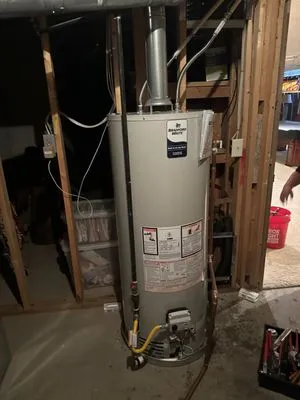
Reaper Plumbing is a trusted local plumbing service in Wichita, KS, dedicated to keeping homes and businesses running smoothly. We specialize in a comprehensive range of services, from routine faucet ...
Affordable Plumbing in Wichita, KS, is a trusted local plumbing service dedicated to helping homeowners tackle common plumbing issues efficiently and affordably. Specializing in a comprehensive range ...
Eck Services
Eck Services has been a trusted provider of electrical, plumbing, and HVAC solutions for Wichita homes and businesses for over 20 years. Founded by master-licensed professional Travis Eck, who grew up...
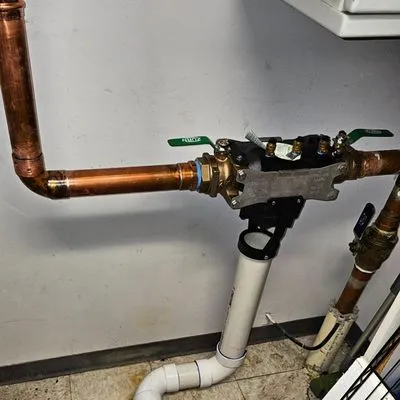
Sooter Plumbing and Mechanical is a locally owned and operated plumbing and mechanical service provider based in Augusta, KS. We offer comprehensive residential and commercial plumbing solutions, incl...

Plumber Of The Plains is Derby's trusted, full-service plumbing partner. We understand that homes in our area frequently face stubborn drain clogs and leaks at pipe joints, issues that can quickly esc...
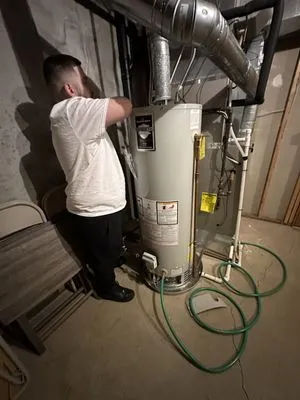
Express Plumbing ICT is a trusted plumbing service provider in Wichita, KS, offering reliable solutions for both residential and commercial clients. Our team specializes in a comprehensive range of se...
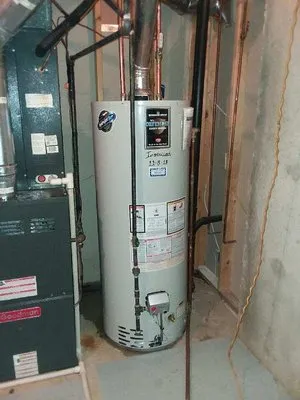
For over 45 years, David Lies Plumbing has been a trusted, family-owned name serving the plumbing needs of Wichita homes and businesses. Founded in 1978, we provide a full range of services from emerg...
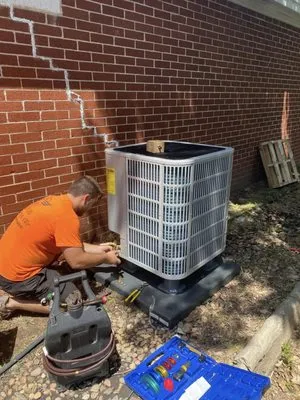
Alpha HVAC & Plumbing is a veteran-owned, locally operated company serving Wichita, KS, with over 35 years of experience in the trade. Founded on principles of honesty and integrity, we provide transp...
Estimated Plumbing Costs in Ohio, KS
Questions and Answers
My copper pipes are from the 1980s - what should I expect to see now?
Copper pipes installed around 1982 are now 44 years old. Homeowners in Ohio Township often notice thinning walls and increased frequency of small leaks. This aging copper becomes more reactive with Kansas's hard water minerals, leading to gradual corrosion. You might see blue-green stains around fixtures or hear water hammer noises that weren't present before.
Who handles permits for plumbing work in Kansas?
The Kansas Department of Health and Environment oversees plumbing code compliance, while the Kansas Attorney General Consumer Protection Division addresses contractor disputes. As a licensed master plumber, I manage all required permits and inspections for Ohio Township projects. This includes well and septic modifications that require specific approvals. Homeowners should verify their plumber carries both state license and proper insurance before work begins.
Does Kansas River water damage my water heater?
Water from the Kansas River carries high mineral content that accelerates scale buildup in water heaters. Hard water minerals coat heating elements and tank interiors, reducing efficiency by up to 30% over time. You'll notice shorter hot water supply and higher energy bills as the scale layer thickens. Annual flushing helps, but most units need element replacement every 5-7 years in this area.
Are septic systems common in rural Ohio Township?
Many Ohio Township homes rely on septic systems rather than municipal sewer connections. Well water systems are equally common here. This means homeowners must maintain both the supply and waste sides independently. We recommend septic inspections every 3 years and well pump checks every 5 years, as hard water minerals shorten equipment lifespan. Proper venting is crucial since rural properties lack municipal pressure assistance.
Why do my copper pipes keep springing pinhole leaks?
Copper pipes from 1982 often develop pinhole leaks due to electrolytic corrosion accelerated by Kansas's hard water. The mineral content creates scale buildup that traps moisture against pipe walls, causing localized deterioration. These small leaks typically appear first at joints or where pipes contact dissimilar metals without proper dielectric unions.
What plumbing issue should I watch for during spring thaw?
Spring thaw brings rapid temperature shifts that stress aging copper pipes. When overnight lows hit 18°F followed by daytime warming, expansion and contraction can fatigue soldered joints. Check your basement and crawl spaces for new damp spots during thaw periods. Keeping cabinet doors open to allow warm air circulation helps prevent freeze-related bursts during these transitional weeks.
Does the flat land around Topeka affect my main sewer line?
The plain terrain around Kansas State Capitol creates minimal natural drainage slope. This puts constant hydraulic pressure on main sewer lines as wastewater must be pushed rather than flowing with gravity assistance. Over decades, this pressure fatigue can cause joint separation in older lines. We often find bellies or low spots developing in long runs where solids accumulate due to insufficient slope.
How quickly can a plumber reach Ohio from Topeka?
Heading past Kansas State Capitol on I-70, our dispatch route follows the interstate east toward Ohio Township. The 45-60 minute response time accounts for rural road conditions once we exit the highway. We maintain trucks stocked for common copper pipe repairs to minimize return trips.
